There's a growing habit among new-car buyers: scheduling Paint Protection Film, or PPF, the moment they take delivery, before the vehicle ever sees real road exposure. It's a smart instinct. Most drivers don't realize that tiny chips and scratches can begin from the very first mile, before you'd ever notice them. Installing PPF right away, while the paint is still in its untouched factory state, sets the stage for a finish that stays fresh and smooth for far longer.
In short: buyers who install PPF before the first drive protect their paint against rock chips, road debris, and environmental contaminants from the earliest miles, while the factory finish is still flawless. Applying the film to brand-new paint avoids sealing in any imperfections and takes advantage of the cleanest, most adhesion-ready surface the car will ever have.
Why Early Installation Preserves the Factory Finish
A new car's paint is in a condition it will never quite return to once it hits the road. It's smooth, unblemished, and free of the chips, swirl marks, and embedded grime that everyday driving inevitably introduces. That original factory finish is exactly what makes a new vehicle look and feel new, and it's also a real factor in long-term value.
The catch is that this pristine state is most vulnerable in the earliest miles. Rock chips from loose gravel, bug splatter, tree sap, bird droppings, and UV exposure all start working against the finish immediately. Some of that damage, especially small chips, can become effectively permanent once it settles into the clear coat. Installing PPF before that exposure begins means the film is protecting a finish that's still perfect, rather than trying to preserve one that's already picked up its first flaws.
That's the core reason early installation matters so much. Wait a few weeks and drive through typical conditions, and you may already be locking in chips beneath the film instead of preventing them. Because road debris is one of the most common early threats, it helps to understand how PPF protects against road debris before those first miles add up.
Why New Paint Is the Ideal Surface for PPF
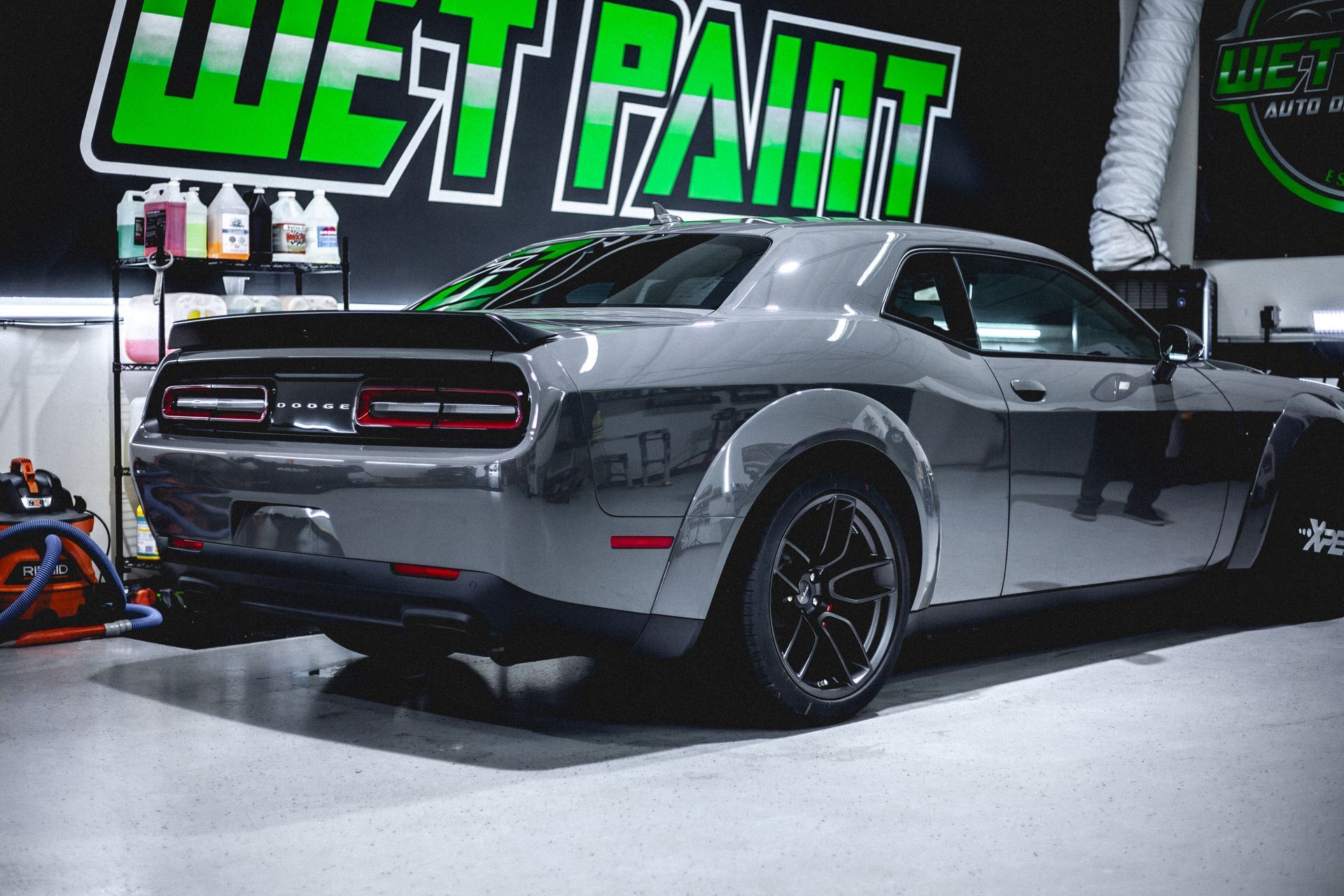
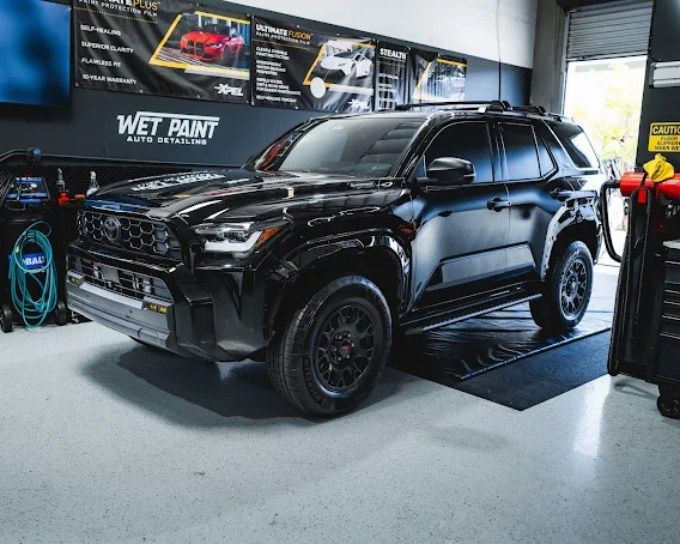
Beyond simply avoiding damage, there's a technical reason new-vehicle paint is the best possible candidate for PPF: adhesion. Paint Protection Film bonds most effectively to a surface that's clean, smooth, and free of contaminants, and factory-fresh paint is about as close to that ideal as a car's finish ever gets.
Once a vehicle has been driven, its paint accumulates a microscopic layer of road film, brake dust, tar, and other bonded contaminants that aren't visible but interfere with how well the film adheres. Removing all of that is possible, and good installers do it through thorough decontamination, but a brand-new surface starts far closer to the finish line. There's less contamination to lift away and less risk of trapping something beneath the film, which means cleaner adhesion and a more flawless final result.
This is why the timing of installation is really a timing of surface quality. The newer the paint, the fewer contaminants there are to work around, and the better the film can bond. Installing PPF right after purchase lets the installer work with paint that's already in near-ideal condition, giving the adhesive the best chance to form a strong, lasting bond.
How Professional Installers Approach a New Vehicle
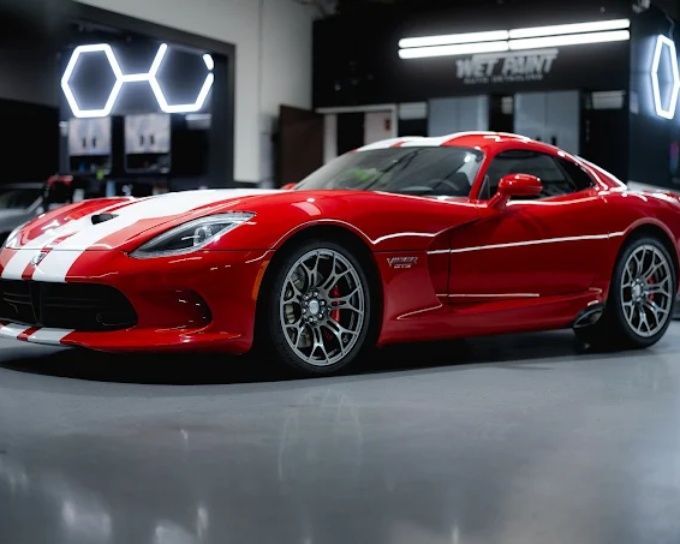
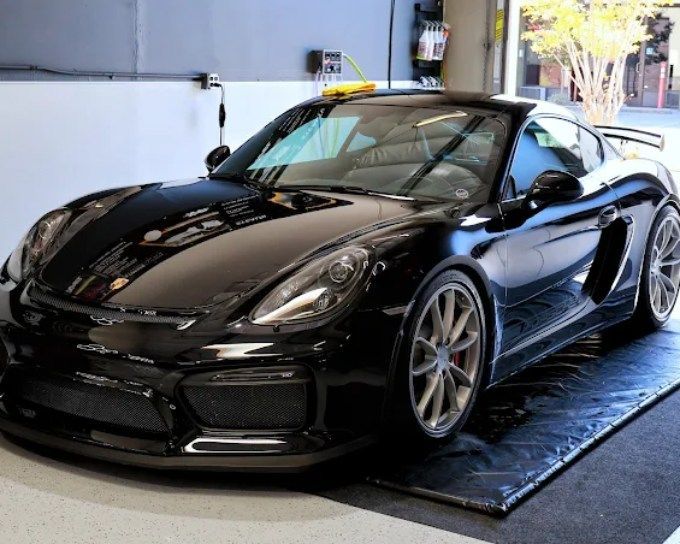
Even with a brand-new car, professional installers don't skip preparation. Installing PPF isn't a peel-and-stick job; it's a careful process, and the foundation is laid before the film ever touches the paint.
First comes a thorough wash and decontamination. This goes beyond a basic wash: installers often use clay bars and specialized cleaning agents to lift any tiny contaminants the vehicle may have picked up in transit, storage, or at the dealership, even a new car isn't guaranteed to be perfectly clean off the lot. The paint is then carefully inspected for any existing imperfections so nothing gets sealed beneath the film.
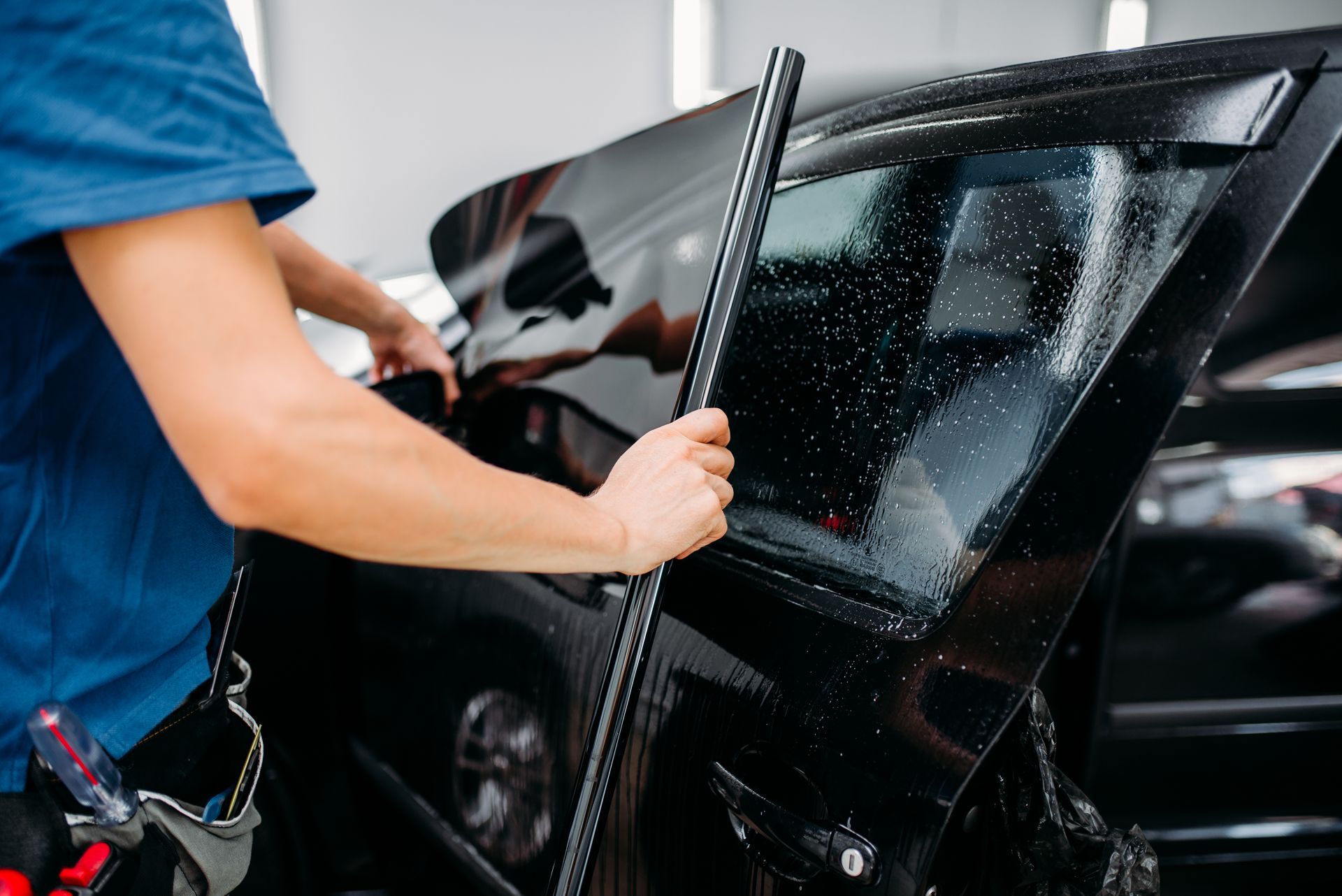
Next is the application itself, which is closer to fitting a tailored suit than throwing on off-the-rack clothing. Installers use a slip solution, a water-based liquid sprayed onto both the paint and the back of the film, so they can position it precisely across the curves and contours of each panel. Squeegees gently push out trapped air and excess solution. Without careful work here, tiny air pockets or wrinkles can form and compromise both protection and appearance, so professionals take their time making sure every edge is tucked neatly into place and the film conforms invisibly to the car's shape.
Finally comes curing, when the adhesive fully bonds to the surface. During this window it's important to avoid water exposure and harsh elements that could interfere with the bond. Your installer will tell you when the vehicle is ready for normal driving and washing, since these timelines vary. Here's what buyers can expect the process to involve:
- Surface preparation: washing, decontaminating, and inspecting the paint so no contaminants or flaws end up trapped beneath the film
- Application: positioning the film with slip solution and squeegeeing for smooth, precise, bubble-free adhesion
- Curing: allowing the adhesive to bond fully before the car returns to regular use
Many buyers also choose to protect only the most exposed areas, such as the hood, front bumper, side mirrors, and door edges, rather than the full body. If you're weighing how much of the car to cover, it's worth understanding full versus partial PPF coverage before you decide.
PPF as a Smart First Investment for a New Car
Buying a new vehicle is a major purchase, and it's natural to think about how to protect it. PPF fits right into that moment. Just as you'd consider warranties, insurance, and maintenance as part of owning a new car, early paint protection belongs in the same conversation. The FTC's guide to buying and owning a car is a useful resource on protecting that investment over the long haul.
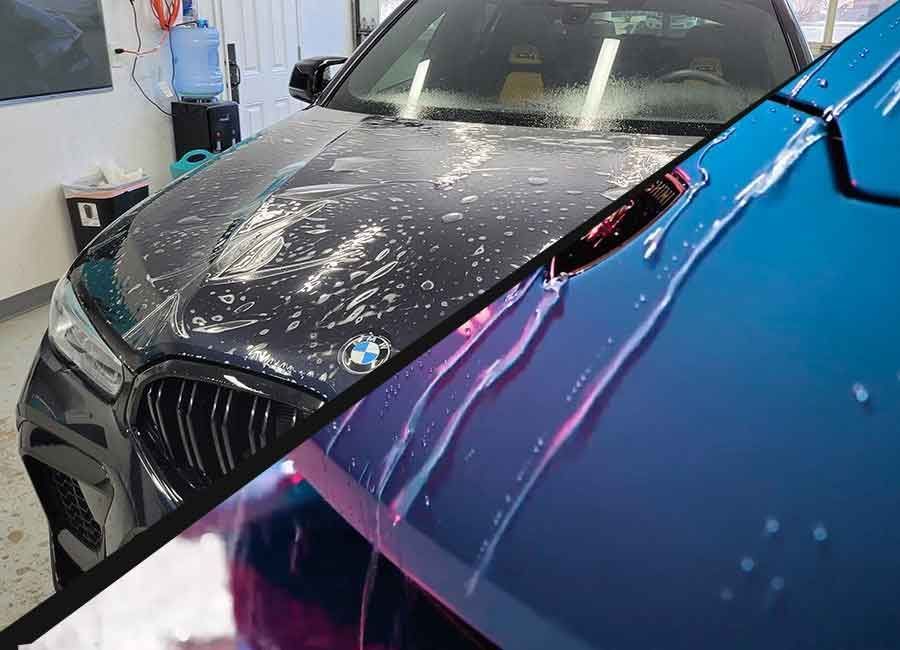
The appeal is that PPF works as preventative care from day one. A nearly invisible layer of thermoplastic urethane absorbs impacts from gravel and debris, and many modern films are self-healing, meaning minor surface scratches fade with heat from the sun or a warm garage. Quality film also helps block UV rays, slowing the fading and oxidation that dull factory paint over time, and its hydrophobic surface causes water to bead and roll off, making the car easier to keep clean.
All of that adds up to a finish that stays closer to its original condition for longer, which matters both for the pride of ownership and for resale. Cars kept close to factory condition, with paint free of chips and scratches, tend to appeal to more buyers and appraisers down the line. And by preventing the small chips and scratches that would otherwise accumulate, PPF can help you avoid the kind of paint correction and touch-up costs that add up over years of ownership. Pairing it with a ceramic coating extends that protection further, since the coating shields the entire painted surface from UV damage, fading, and staining while the film guards the most impact-prone areas.
For a new-car buyer, that's the whole case in a sentence: protecting the finish while it's still perfect is far easier, and far more effective, than trying to restore it later.
Protect Your New Vehicle with Wet Paint Auto Detailing
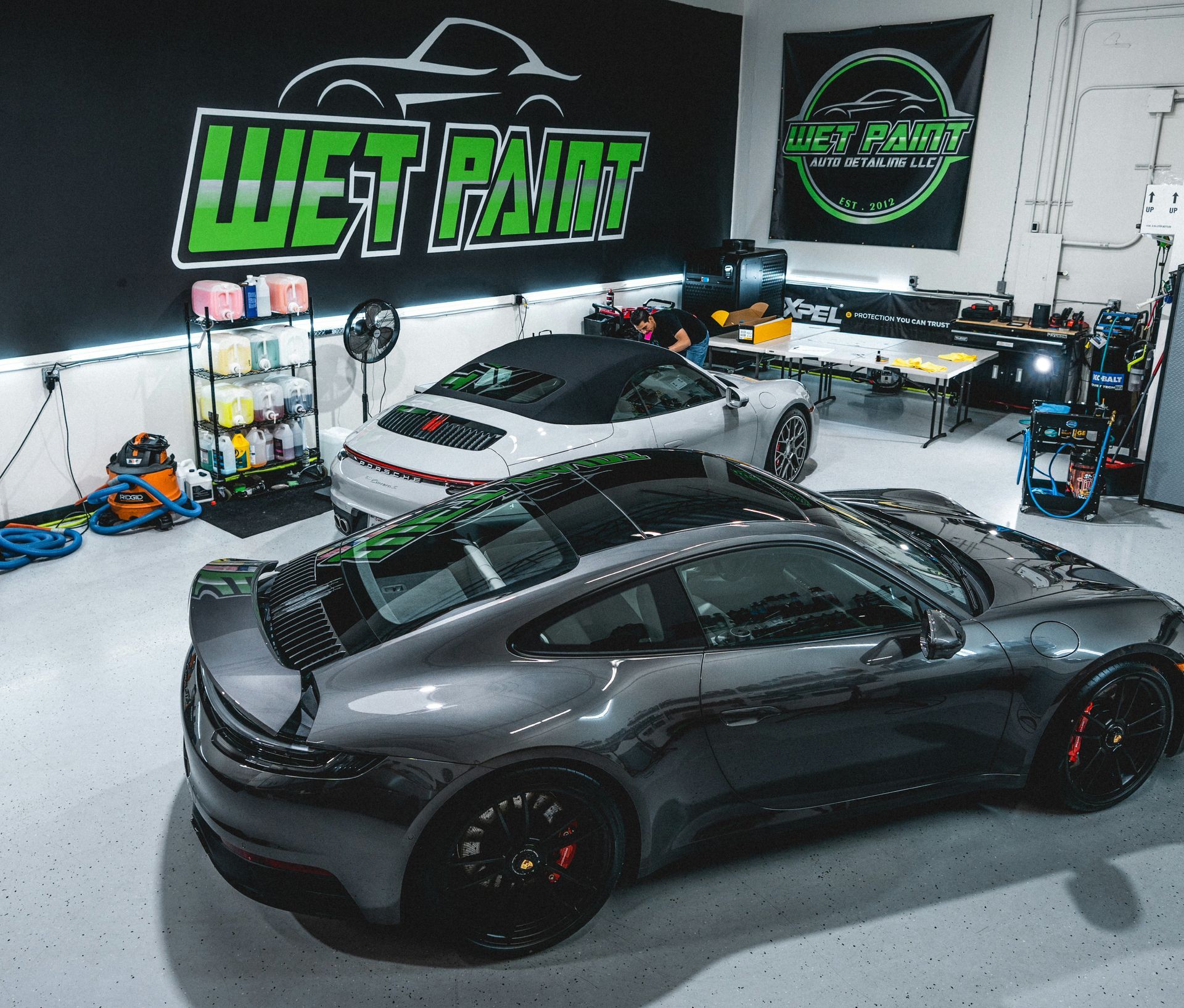
Installing PPF right after purchase is one of the smartest first investments you can make in a new car, protecting the factory finish before road exposure ever has the chance to mar it, and while the paint is still in its most adhesion-ready state. For expert installation tailored to your vehicle, Folsom drivers can turn to a trusted local shop like Wet Paint Auto Detailing, where premium materials meet careful craftsmanship.
Call
(916) 918-2289 to learn more or
schedule your appointment today!
Frequently Asked Questions
How long does Paint Protection Film typically last, and does early installation influence its longevity?
Quality PPF can last for years, depending on the film and how well it's maintained. Early installation can support its longevity by shielding the paint from UV rays, road debris, and contaminants before damage sets in, so installing early tends to mean a longer-lasting finish and fewer costly repairs down the line.
How does Paint Protection Film protect a new car's paint during everyday driving?
PPF acts as an invisible layer of armor for your paint, shielding it from rock chips, road debris, and UV rays during everyday driving. It absorbs impacts and helps prevent scratches that can be expensive to repair, so installing it before the first drive helps your car stay showroom fresh.
Are there any drawbacks or challenges to installing PPF immediately after purchase?
Installing PPF right after purchase is largely upside, but a couple of minor considerations exist. The vehicle needs to be perfectly clean before application, which can occasionally add a little time to your delivery timeline. And quality PPF is a real upfront investment, though it can save you far more on paint repairs later. For most new-car buyers, these small trade-offs are well worth keeping the finish pristine from day one.
What benefits does installing PPF before the first drive offer compared to later installation?
Installing PPF before the first drive shields against micro-scratches, stone chips, and environmental contaminants before they ever touch your paint. Applying film to a pristine, contaminant-free surface also ensures a flawless finish and stronger adhesion, making the result cleaner and easier to maintain than a retrofit done on already-exposed paint.
Which areas of a new vehicle should be prioritized when applying Paint Protection Film?
Prioritize high-impact zones like the front bumper, hood, side mirrors, and door edges, since these areas take the brunt of road debris, insect splatter, and weather. Much of the early paint chipping happens in these zones, so shielding them first preserves your car's shine and helps you avoid costly repairs.