Full vs. Partial PPF: How to Choose the Right Coverage for Your Vehicle
July 13, 2026
Your car's paint faces constant threats: highway gravel, intense sun, parking lot door dings, and bug splatter from early morning commutes. Paint protection film services are one of the most effective ways to defend your vehicle's finish, but not all PPF installations look the same. The first decision you'll face is a foundational one: do you protect the whole car, or focus coverage on the areas most at risk?
Understanding the difference between full and partial PPF, and knowing how professional installers evaluate your vehicle, puts you in a stronger position to invest wisely and protect what matters.
The Core Difference
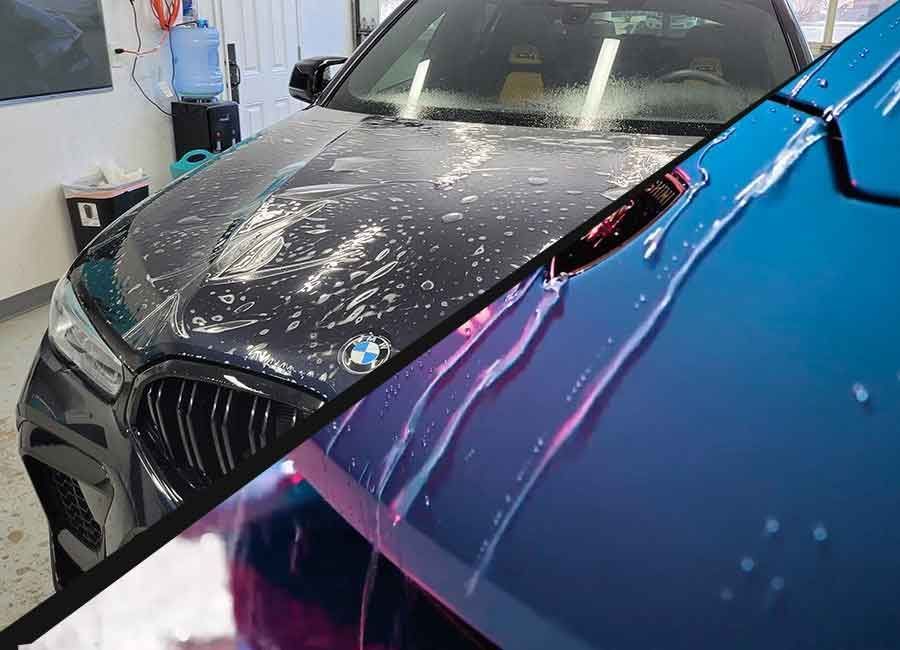
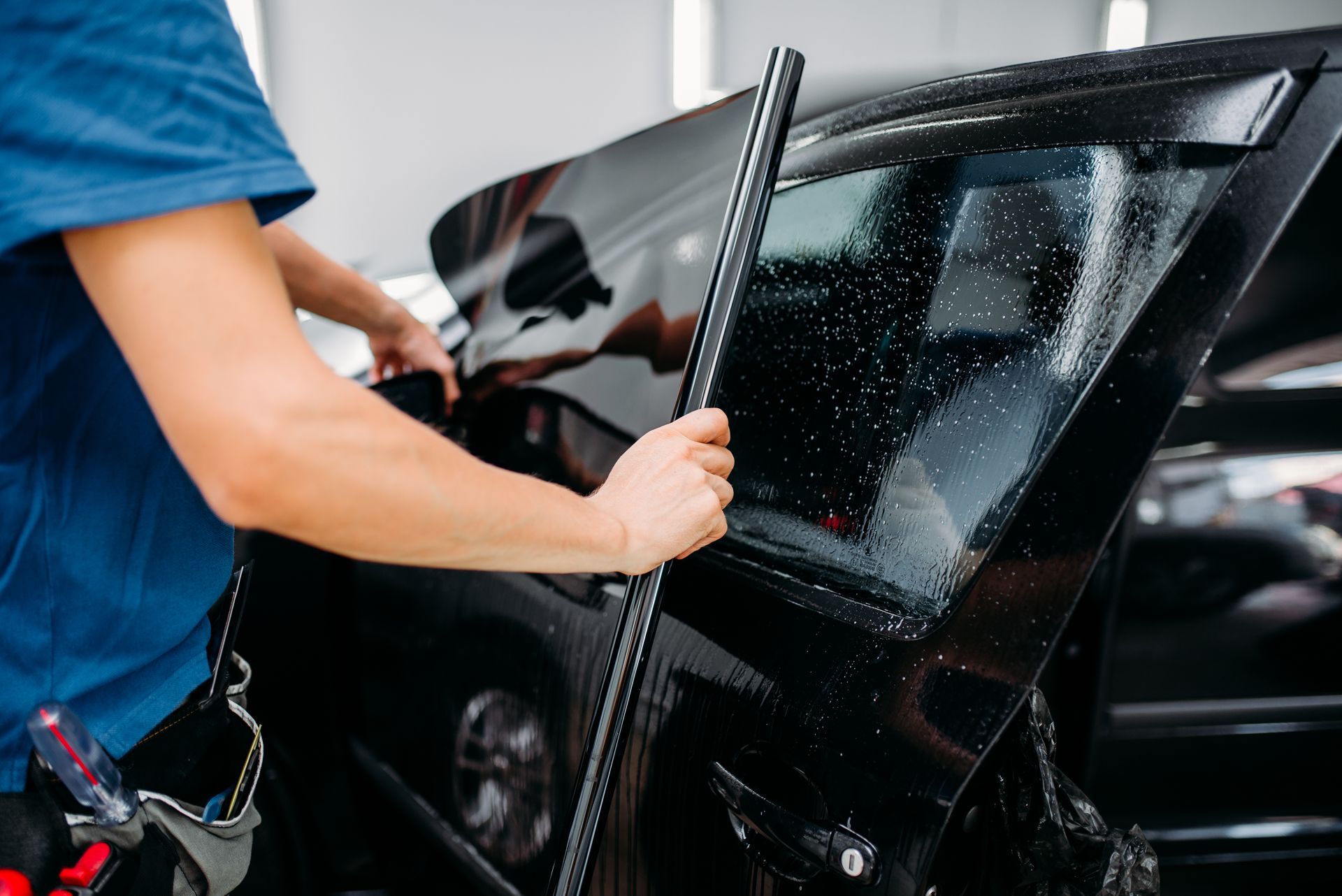
Full PPF coverage means applying protective film across every painted panel on your vehicle: the hood, fenders, doors, bumpers, mirrors, roof, and trunk. The result is a seamless, all-over shield that leaves virtually no painted surface exposed to road hazards or environmental damage.
Partial PPF coverage concentrates that same high-quality film on the areas most likely to take damage: typically the front bumper, the leading edge of the hood, side mirrors, door edges, and headlights. The rest of the vehicle's paint remains exposed.
Both options use the same urethane-based film with self-healing properties, meaning minor surface scratches can disappear with heat exposure. The scope of protection, the installation time, and the investment required differ significantly between the two.
Which Panels Benefit Most from Full Coverage?
With full coverage, every panel is protected. That said, some areas stand out as particularly valuable to shield comprehensively:
Doors and rear quarters. These large, highly visible panels are expensive to repaint. Parking lots present a constant risk, as door dings, shopping carts, and accidental contact accumulate over time. Full coverage keeps these surfaces in pristine condition.
The roof. The roof receives direct sun exposure for hours every day. Over time, unprotected clear coats are vulnerable to fading and oxidation, particularly in regions with long, hot summers. PPF here provides consistent UV defense across the most sun-exposed surface on the vehicle.
The rear bumper. Frequently overlooked in partial packages, the rear bumper is subject to abrasion from loading cargo, contact from bike racks, and the wear of everyday parking. Full coverage ensures it receives the same level of protection as the front.
Lower rocker panels. Running along the bottom edge of the vehicle, rocker panels are continuously hit by road debris, gravel spray, and water-borne contaminants. They are often among the first areas where paint visibly deteriorates and among the most worthwhile to protect proactively.
For owners of luxury, exotic, or high-value vehicles, full coverage provides the peace of mind that every surface is guarded and that the vehicle's appearance is preserved consistently from every angle.
When Partial PPF Makes Practical Sense
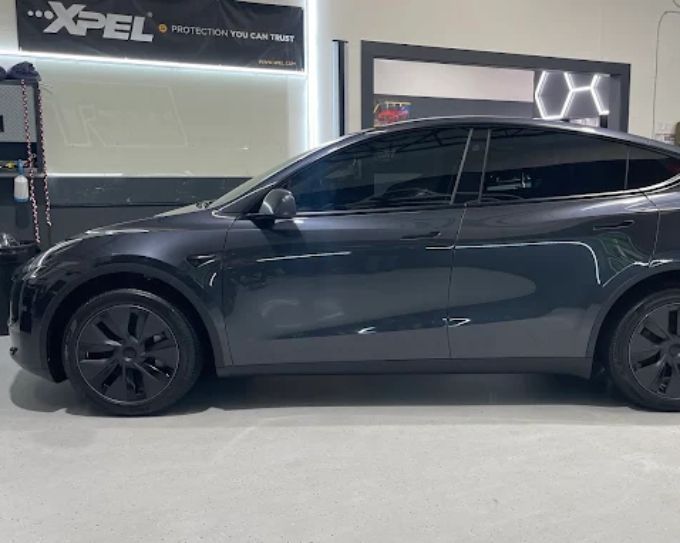
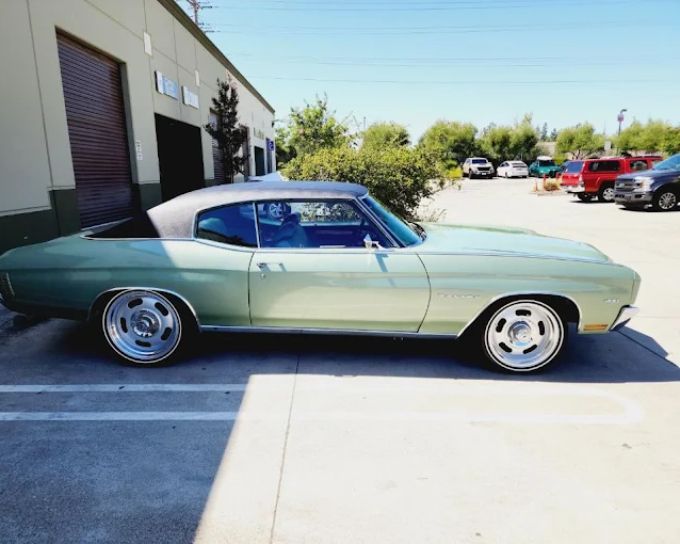
Partial coverage is not a lesser option. It is a deliberate, well-suited strategy for the right driver in the right situation.
For many vehicle owners, the highest concentration of paint hazards occurs at the front of the car: highway debris kicked up by traffic ahead, insect impact on the hood and bumper, and stone chips at speed. A well-designed partial package directly addresses those vulnerabilities at a meaningfully lower cost than full coverage.
Partial PPF is also a strong fit for:
- Lease vehicles, where the priority is returning the car in good condition without over-investing in a vehicle you do not own long-term
- Newer vehicles with minor existing wear, where targeted protection on the most exposed zones prevents further damage without the commitment of a full installation
- Drivers working within a defined budget who want meaningful protection now, with the flexibility to expand coverage at a future service appointment
The trade-off is real and worth understanding clearly. Areas left uncovered remain susceptible to chips, scratches, and UV fading over time. For many drivers, however, the protected zones address the majority of daily risk, making partial coverage a practical and cost-effective decision.
How a Professional Installer Assesses Your Vehicle
A professional PPF installer does more than present options. They evaluate your vehicle and driving habits to recommend coverage that genuinely fits your situation.
Working with licensed auto repair professionals means you are entitled to a clear assessment, transparent communication, and quality workmanship before any installation begins. At Wet Paint Auto Detailing in Roseville, CA, that process starts with a straightforward conversation. How many miles do you drive, and on what types of roads? Is this a daily driver navigating highway traffic, or a weekend vehicle that spends most of its time in a controlled environment? How long do you plan to keep the car, and what are your goals for its appearance and resale value?
From there, the vehicle itself is examined. Existing paint condition plays an important role, as paint correction may be necessary before film application to ensure a clean, flawless result, and that affects both timing and cost. The complexity of the vehicle's body lines and panel geometry also factors into the recommendation, since tighter curves and more intricate surfaces require additional precision during installation.
Drivers across the region seeking paint protection film in Sacramento benefit most when the coverage recommendation is built around how they actually use their vehicle, rather than simply based on what is most comprehensive or most affordable in isolation. The goal is always to match protection level to real-world exposure risk and to give each customer a clear, honest picture of what each option delivers.
The Cost Conversation
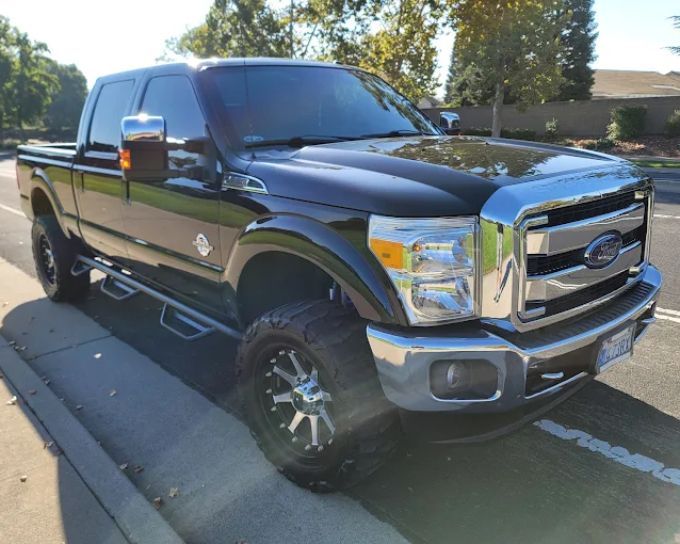
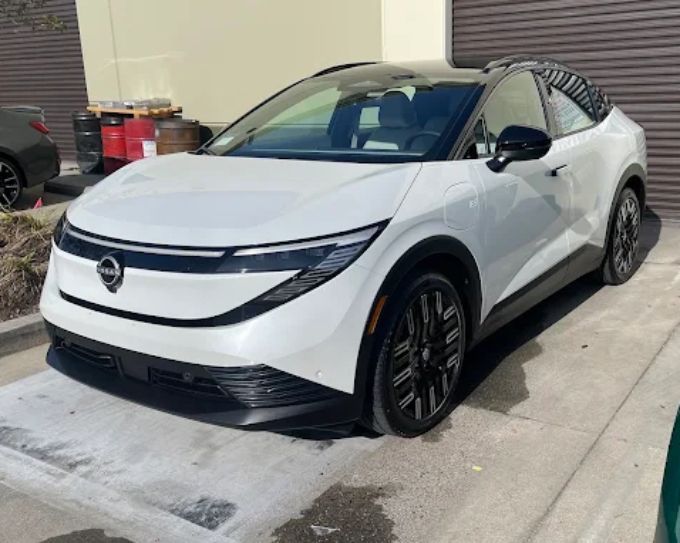
Full PPF represents a significant investment, generally ranging from a few thousand dollars or more, depending on vehicle size, film type, and the complexity of the installation. Partial coverage typically falls in a lower price range. These ranges vary by vehicle and market, and a personalized consultation is the most reliable way to understand what your specific vehicle will require.
The most useful way to evaluate either option is not simply the upfront cost, but what that investment prevents. A single panel repaint, repeated stone chip repairs, or UV-damaged clear coat on a high-value vehicle can quickly approach or exceed what professional protection would have cost. For owners wondering whether PPF is worth the investment for high-performance vehicles, the answer often comes down to how much you value preserving both the paint and the resale value of the car.
For high-value, exotic, or collector vehicles, full coverage is often the clear and straightforward choice. For everyday drivers primarily focused on protecting the front-end impact zones, a quality partial installation delivers genuine, lasting value.
Making the Decision
The right PPF option comes down to three things: how you drive, what you are protecting, and what you are prepared to invest.
If you regularly drive on open highways, plan to keep your vehicle long-term, or own a luxury or exotic car where condition and appearance are a priority, full coverage is a sound investment that pays dividends over the life of the vehicle. If you are primarily an urban or suburban driver focused on protecting the most vulnerable areas within a defined budget, a professionally installed partial package is a smart, well-reasoned choice.
In either case, the quality of the installation matters as much as the coverage level. Precise application, clean edges, proper film selection, and thorough paint preparation all determine how long the protection holds and how the vehicle looks over time.
At Wet Paint Auto Detailing, we provide each customer with a thorough vehicle assessment and a clear explanation of their options before any work begins. Our vehicle paint protection recommendations are built around your goals, not a one-size-fits-all approach. Whether you are protecting a daily commuter or a weekend showpiece, our team is here to help you make a confident, well-informed decision.
Ready to protect your vehicle? Call us at (916) 918-2289 or fill out our online form to schedule your consultation.
Frequently Asked Questions
What areas are typically included in a partial PPF package?
Partial packages most commonly cover the front bumper, the leading edge of the hood, side mirrors, door edges, and headlights. These are the zones that experience the greatest concentration of road debris, rock chips, and insect impact in everyday driving. Coverage can be customized based on your vehicle and how you use it.
How long does PPF installation take?
Full coverage installations typically require several days, given the precision required to wrap every panel cleanly and correctly. Partial coverage can often be completed in a matter of hours, making it a practical option for drivers with busy schedules. Your installer will provide a clear timeframe based on your vehicle and chosen coverage.
Does partial PPF look different from full coverage on the vehicle?
High-quality PPF is designed to be nearly invisible once installed. With partial coverage, there will be film edges where covered areas end, though an experienced installer applies these with care to minimize their visibility. Full coverage eliminates those transitions entirely by wrapping every panel seamlessly from edge to edge.
How do I care for my vehicle after PPF installation?
Regular washing with a pH-neutral soap and a soft microfiber mitt is all most vehicles require. Avoid ammonia-based or solvent cleaners, which can degrade the film's urethane layer over time. Most installers recommend waiting approximately one week after installation before the first wash, allowing the film to fully cure and bond to the paint surface.
Is full PPF worth the investment for a daily driver?
For drivers who regularly put highway miles on their vehicle, particularly on roads where loose gravel and debris are common, full PPF can prevent a meaningful amount of paint damage over the ownership period. Whether it makes sense depends on how long you plan to keep the vehicle, the value you place on maintaining its appearance, and your overall budget. A consultation with a professional installer is the most effective way to get a recommendation tailored to your specific vehicle and driving profile.