Ceramic Coating Care Guide: Essential Maintenance Tips for Everyday Drivers
July 6, 2026
Ceramic coatings have become one of the most effective ways to keep a vehicle looking pristine and well-protected over the long term. But after installation is complete and you drive off the lot, many vehicle owners find themselves wondering: now what? The truth is, a ceramic coating is only as effective as the maintenance behind it. Whether you just had a professional ceramic coating in Citrus Heights or are preparing for your upcoming appointment, the habits you build after installation are what determine how long your coating performs and how good your vehicle continues to look.
The good news is that caring for a ceramic-coated vehicle doesn't have to be complicated. With the right techniques and a consistent routine, you can preserve that showroom-quality finish for years to come.
What Your Ceramic Coating Actually Does
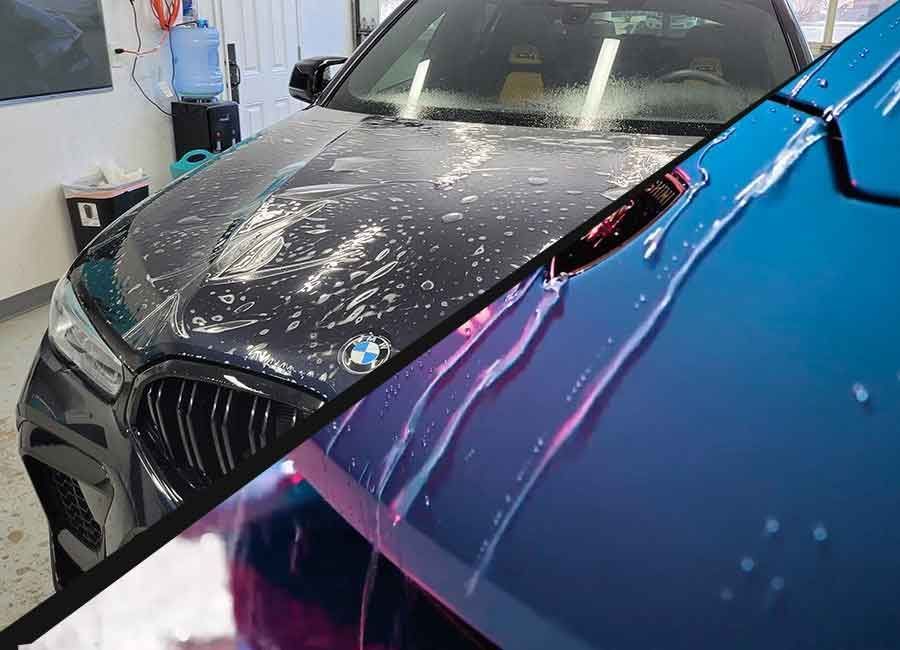
A ceramic coating forms a semi-permanent, chemically bonded layer over your vehicle's clear coat, acting as a shield against UV rays, bird droppings, tree sap, road grime, and minor surface abrasions. Its hydrophobic properties cause water to bead up and roll off the surface, carrying dirt with it. This makes your vehicle easier to clean and helps it stay cleaner between washes.
That said, ceramic coatings are not a set-it-and-forget-it solution. They are durable, but they are not indestructible. Regular, mindful maintenance is what keeps all of these properties working at their best.
How Soon After Installation Can You Wash Your Car?
The coating needs time to fully cure before being exposed to water or cleaning products. Your detailer will provide a specific curing window to follow, typically a few days to a week depending on the product and environmental conditions. During this period, avoid washing the vehicle or exposing it to rain where possible. Once the curing period has passed, you're clear to begin your regular maintenance routine.
The Right Way to Wash a Ceramic-Coated Vehicle

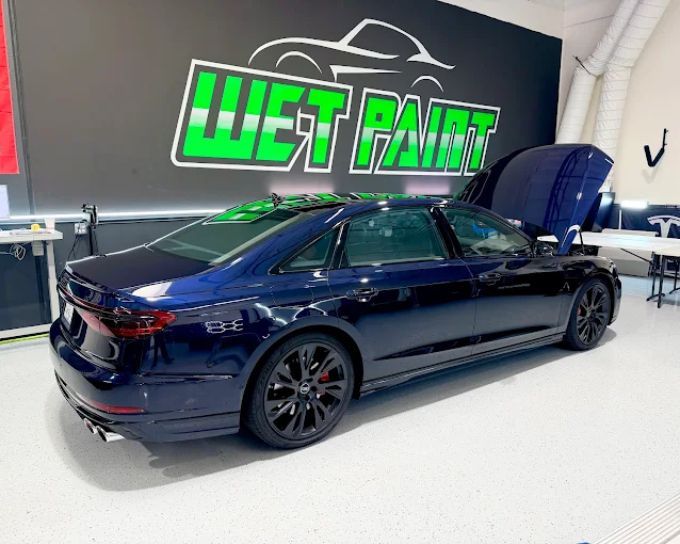
Washing is the foundation of ceramic coating maintenance. A few key principles make all the difference:
Use a pH-neutral car shampoo. Shampoos that are too alkaline or too acidic can break down the coating's silica bonds over time. Always choose a formula specifically designed for ceramic-coated vehicles or confirmed as pH-neutral.
Use the two-bucket method. One bucket for your shampoo solution and one for clean rinse water. Rinse your wash mitt in the clean bucket after each pass to prevent contaminants from being dragged back across the paint.
Wash in the shade and dry immediately. Direct sunlight causes soap to dry on the surface, leaving streaks and residue. After washing, dry thoroughly with a high-absorbency microfiber towel. A GSM between 350 and 400 is ideal. You can also use a leaf blower to clear water from mirrors, grilles, and door handles without any surface contact.
How often? Every one to two weeks is the general recommendation. If your vehicle is regularly exposed to bird droppings or tree sap, prompt spot-cleaning between washes prevents contaminants from etching into the coating.
Products to Avoid
Knowing what not to use is just as important as knowing what to use.
- Automatic brush car washes: Rotating brushes accumulate grit from other vehicles and degrade your coating through repeated abrasion.
- Dish soap or household cleaners: These are far too harsh for a coated surface and will dull gloss and hydrophobic performance.
- Traditional wax or sealants: These products do not enhance a ceramic coating and can interfere with its properties. Use a ceramic spray topper instead.
- Abrasive polishes or compounds: Unless directed by your detailer for a specific correction, these can thin or damage the coating.
Dealing With Water Spots and Contaminants
Even with good habits, contaminants happen. Addressing them promptly is key to preventing permanent damage.
Water spots can often be removed with a dedicated water spot remover or a diluted white vinegar solution applied gently with a microfiber cloth. For stubborn etching, consult your detailer rather than attempting aggressive correction yourself.
Bird droppings and tree sap contain acids that etch through protective coatings if left sitting. Keep a detailing spray and a clean microfiber cloth in your vehicle so you can address these on the spot. For hardened sap, use a dedicated sap remover and never scrape the surface.
Brake dust and road tar require a dedicated iron or tar remover designed for coated vehicles. Regular rinsing of wheel areas during every wash also helps prevent buildup.
The golden rule: address contaminants promptly. The longer they sit, the greater the risk of etching or staining.
Using a Ceramic Spray Topper

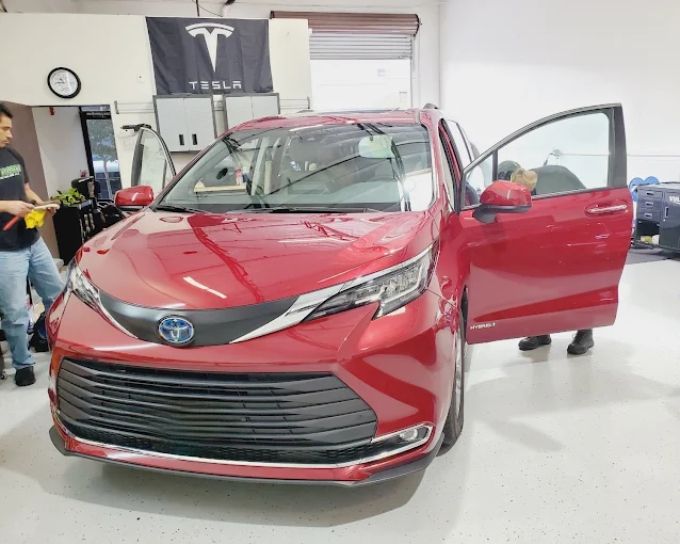
A ceramic spray topper refreshes your coating's hydrophobic properties and adds a thin layer of additional protection between professional details. Apply a few sprays per panel after washing and drying, then buff gently with a clean microfiber cloth. Done consistently every few washes, this simple step noticeably extends the life and appearance of your coating.
Habits That Extend Coating Lifespan
A few smart day-to-day habits make a significant difference over time:
- Park in a garage or covered area whenever possible to minimize UV exposure, which is one of the primary factors in coating degradation.
- Act quickly on contamination. Bird droppings, sap, and road tar do their most damage when left unattended.
- Maintain a consistent wash schedule. Ceramic coatings make washing easier, but they don't eliminate the need for it. Allowing grime to accumulate defeats the coating's purpose.
When to Schedule a Professional Inspection
Even with excellent at-home care, your ceramic coating benefits from periodic professional attention. An experienced detailer can assess surface gloss, hydrophobic performance, and early signs of wear that aren't visible to the untrained eye. Annual inspections are a good baseline for most drivers, with spot recoats or decontamination treatments performed as needed.
At Wet Paint Auto Detailing, we specialize in ceramic coating services in Citrus Heights, helping vehicle owners protect their investment long after installation day.
Common Mistakes to Avoid
A quick recap of the habits that most commonly shorten a coating's lifespan:
- Using harsh or non-pH-neutral shampoos
- Running through automatic brush car washes
- Letting water air dry on the surface
- Ignoring bird droppings, sap, or other contaminants
- Applying traditional wax over the coating
- Skipping regular washes and allowing grime to build up
Make the Most of Your Ceramic Coating Investment
A ceramic coating is a meaningful investment in your vehicle's appearance and long-term protection. But the coating itself is only part of the equation. The maintenance routine you build around it, including consistent washing, the right products, prompt contamination removal, and periodic professional care, is what truly determines how long it performs.
The steps in this guide don't require expensive equipment or significant time. They require consistency. Build these habits into your routine, and your coating will reward you with years of reliable protection and showroom-quality shine.
Protect Your Investment With Professional Ceramic Coating Care
At Wet Paint Auto Detailing, we understand that your vehicle is more than just a car. It is a reflection of your standards. Our team of expert technicians has been delivering white-glove ceramic coating services to Citrus Heights vehicle owners since 2012, and we are committed to helping you protect that investment at every stage, from installation to long-term maintenance.
Whether you are due for an annual inspection, need a decontamination treatment, or are ready to schedule your first professional ceramic coating, we are here to help.
Call us today at (916) 918-2289 or fill out our online form to book your appointment.
Proudly serving Citrus Heights vehicle owners with professional ceramic coating services.
Frequently Asked Questions
Can I wash my ceramic-coated car with regular car soap?
It is best to avoid standard car soaps that are not pH-neutral. Harsh detergents can gradually break down your coating's protective properties, dulling its gloss and reducing its hydrophobic performance over time. Choose a shampoo specifically formulated for ceramic-coated vehicles to get the most out of your investment.
How long does a ceramic coating last?
The lifespan of a ceramic coating depends on the product applied, the quality of installation, and how well the coating is maintained afterward. A professionally applied coating that is properly cared for can last several years. Consistent washing, prompt contaminant removal, and periodic professional inspections all play a role in maximizing longevity.
Do I still need to wax my car after a ceramic coating?
No. Traditional wax is not compatible with ceramic coatings and can interfere with their performance. If you want to add a layer of protection between professional details, use a ceramic spray topper specifically designed to work with your coating.
How do I remove water spots from a ceramic-coated surface?
Light water spots can typically be addressed with a dedicated water spot remover or a diluted white vinegar solution applied gently with a microfiber cloth. For deeper etching or stubborn spots that do not respond to at-home treatment, schedule a professional inspection rather than attempting aggressive correction yourself.
How often should I have my ceramic coating professionally inspected?
Annual inspections are a good standard for most drivers. If your vehicle spends significant time outdoors or in harsh conditions, more frequent check-ins may be beneficial. A professional detailer can identify early signs of wear and perform targeted maintenance before minor issues become costly corrections.
Can I take my ceramic-coated car through an automatic car wash?
Automatic car washes with rotating brushes should be avoided entirely. The brushes accumulate grit from other vehicles and cause micro-scratches and swirl marks that degrade your coating over time. If a hand wash is not possible, a touchless automatic wash is a safer alternative, though regular hand washing remains the best approach.