How Paint Protection Film Shields Your Vehicle from Foothill Road Hazards
June 29, 2026
If you regularly drive the winding stretches of Highway 49 or push through the fast-moving lanes of Interstate 80, you already know that Placer County roads are beautiful and unforgiving. Loose gravel, scattered debris, and unpredictable surface conditions are part of everyday driving in the foothills. What many vehicle owners don't realize is that every mile accumulates invisible damage: tiny chips, micro-scratches, and paint erosion that compound quietly over time until the evidence becomes impossible to ignore.
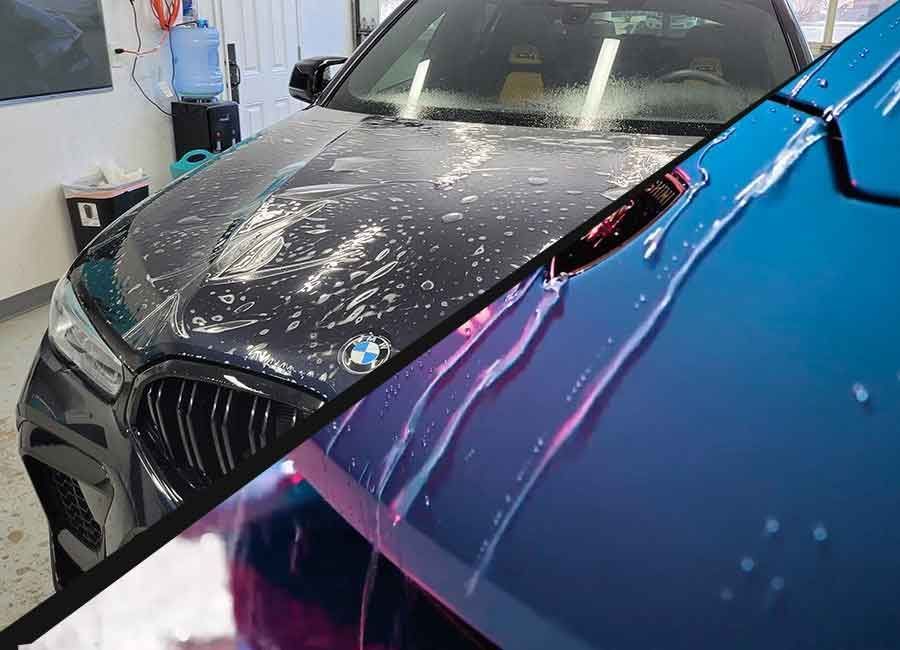
Paint Protection Film (PPF) was engineered specifically for these conditions. It's a clear, durable urethane film applied directly to your vehicle's exterior, creating a tough, self-healing barrier between your paint and everything the road throws at it. For drivers who take pride in their vehicles and want to protect that investment for the long haul, PPF isn't a luxury. It's the smart, proactive choice. If you're based in the area, learn more about our paint protection film in Auburn, CA, services and what we offer local drivers.
The Road Conditions Foothill Drivers Face Every Day
Highway 49 winds through terrain where gravel and loose rock regularly migrate onto the roadway, especially after rain or road maintenance. Interstate 80 brings its own set of challenges: high-speed debris impact, road salt during winter months, and the kind of constant particulate exposure that gradually wears down unprotected paint surfaces mile by mile.
Whether you're commuting through Auburn, heading up into the foothills on Highway 49, or merging onto I-80 for a longer haul, your vehicle is absorbing hits you can't always see in the moment. Chips begin at the front bumper and hood. Grit works its way into door edges and side panels. Road salt accelerates surface degradation during cooler months. Over time, the cumulative result is a paint surface that looks tired, faded, and worn well before it should.
This is precisely the driving environment that paint protection film in Auburn and the surrounding Placer County area was designed to address. The sooner protective film is applied, the more of your vehicle's original finish is preserved.
Key Benefits of PPF for Foothill Drivers
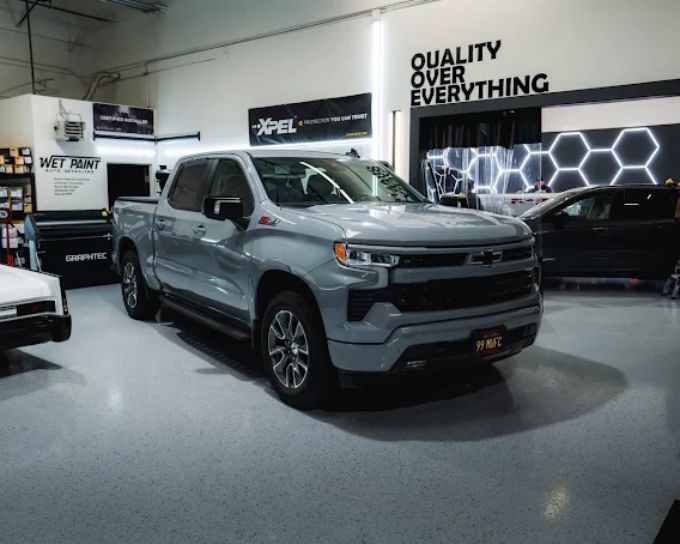
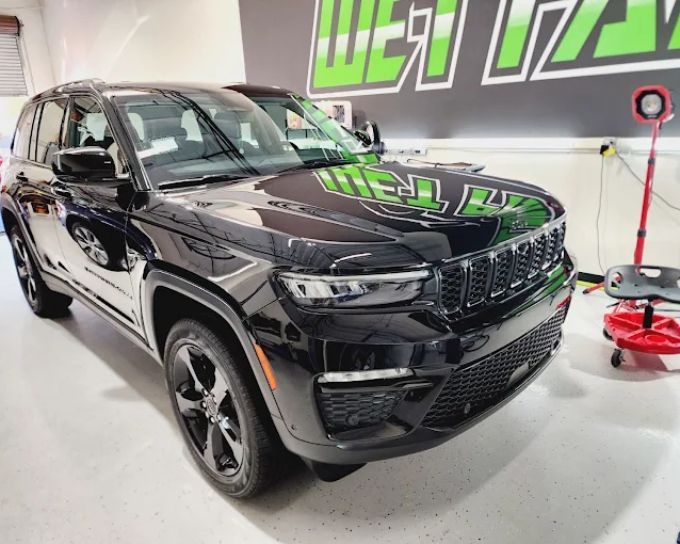
PPF delivers more than a glossy finish. It actively shields your vehicle from the specific hazards of regional driving. Here is what sets it apart from other protective options:
- Impact Resistance: PPF's urethane composition absorbs and disperses the force of road debris, including rocks, gravel, and airborne particulates, before it ever reaches your paint. Rather than concentrating impact on a single point, the film spreads force across its surface, significantly reducing the severity of each hit.
- Self-Healing: Minor surface scratches fade away through exposure to sunlight or warm water, keeping the film looking clean and clear without any intervention on your part. This is particularly valuable for drivers navigating gravel-prone stretches of Highway 49 regularly.
- UV Protection: Quality PPF blocks harmful UV rays that cause paint fading and oxidation over time. For vehicles parked outdoors or driven frequently under the California sun, this protection preserves color vibrancy and prevents the dull, chalky appearance that UV damage produces.
- Chemical Resistance: Bird droppings, tree sap, road salt, and acid rain are intercepted at the film level, preventing the permanent etching and staining that compromises unprotected paint surfaces. These contaminants are especially problematic in foothill environments where tree coverage is common.
- Long-Term Value: By reducing the need for paint correction, touch-ups, and panel repairs, PPF preserves your vehicle's appearance and resale value throughout your ownership. For drivers who plan to sell or trade their vehicle down the line, a well-protected exterior signals careful ownership and commands stronger offers.
With PPF professionally installed, your vehicle faces the same demanding foothill roads every day without accumulating the paint damage that unprotected vehicles absorb over time.
Which Panels Are Most Vulnerable on Foothill Roads
Not every surface takes equal punishment on regional highways. Understanding where damage concentrates most is key to making informed decisions about PPF coverage. The panels most exposed to road debris on Highway 49 and I-80 are:
- Front Bumper: The highest-impact area on any vehicle. At highway speeds, it bears the full force of debris deflected upward by other vehicles and is consistently the first surface to show chips and damage without protection.
- Hood: Catches debris the bumper deflects upward. The leading edge is especially vulnerable, and because the hood is such a large, prominent surface, even minor damage here is immediately visible and affects the vehicle's overall appearance significantly.
- Front Fenders and Quarter Panels: Road debris kicked up by your own front tires travels directly into these areas with every drive, particularly on winding foothill roads where gravel regularly migrates onto the pavement after rain or road work.
- Side Mirrors: Constantly exposed to airborne particulates at highway speeds, their angled surfaces are prone to micro-abrasion and surface scratching that accumulates gradually but becomes noticeable over time.
- Rocker Panels: These lower side panels catch road grit, mud, salt, and debris that misses the fenders, absorbing a disproportionate share of wear, particularly on rural roads and unpaved surfaces common throughout the foothills.
A professional installer will assess your specific vehicle, driving patterns, and highest-risk areas to recommend the most effective coverage approach, whether that's targeted front-end protection, a partial panel package, or comprehensive full-body coverage for vehicles that see particularly demanding conditions.
PPF vs. Other Protective Options
Understanding how PPF compares to other available solutions helps clarify why it is the preferred choice for drivers facing genuine road hazards rather than purely environmental wear.
Waxes and sealants offer a basic layer of surface care but wear off quickly and provide no meaningful defense against physical impact from road debris. They require frequent reapplication and, while useful for maintaining shine, are not a substitute for impact protection on foothill highways.
Ceramic coatings represent a significant step forward. They bond chemically with your paint to create a hard, glass-like surface that resists UV rays, environmental contaminants, and light surface wear. Their hydrophobic properties cause water and grime to bead off, simplifying cleaning and preserving your finish's appearance. However, ceramic coatings lack the physical thickness and elasticity needed to absorb direct impact from stones and road debris, making them a strong environmental defense but an insufficient physical one.
PPF addresses what neither waxes nor ceramic coatings can: direct, physical protection against the chips, scratches, and daily impact of foothill driving. For vehicle paint protection across Placer County, many owners choose to combine both solutions. PPF is applied first as the physical shield, with ceramic coating layered over it for enhanced gloss and simplified long-term maintenance. This combination delivers the most complete protection available for drivers who want their vehicles to look exceptional and stay protected against everything the road produces.
Professional Installation: Why It Matters
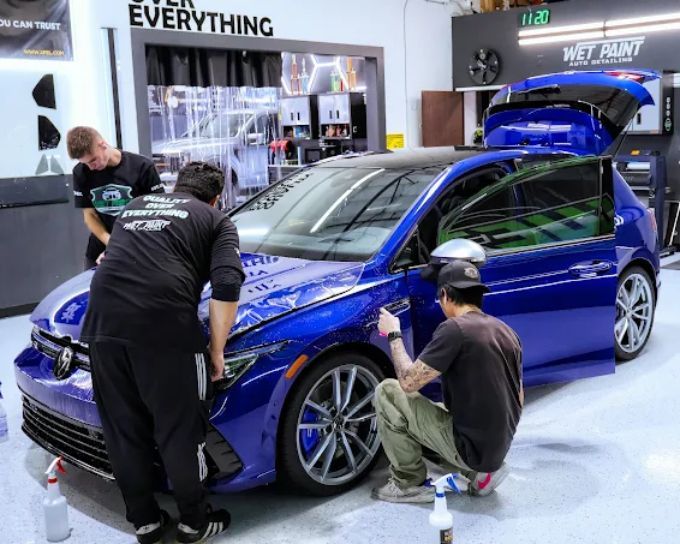
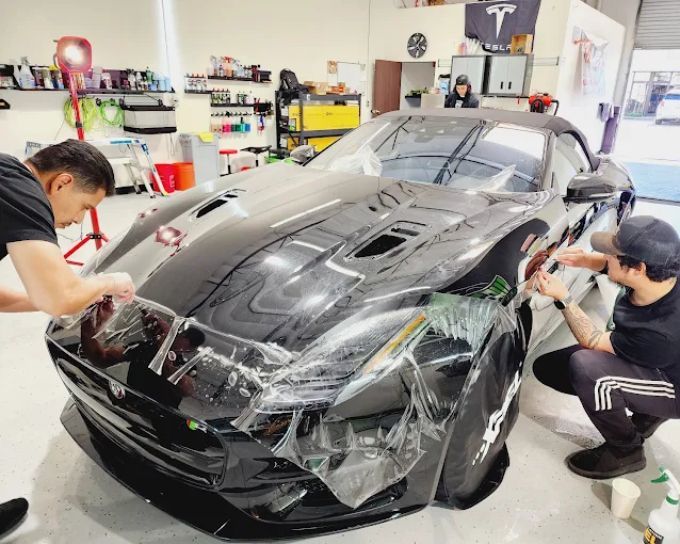
PPF is only as effective as its installation. Bubbles, lifting edges, and misalignment don't just look poor. They directly compromise the film's protective performance and longevity. What distinguishes professional installation is the combination of surface preparation, environmental control, and application precision that simply cannot be replicated in a driveway or garage setting.
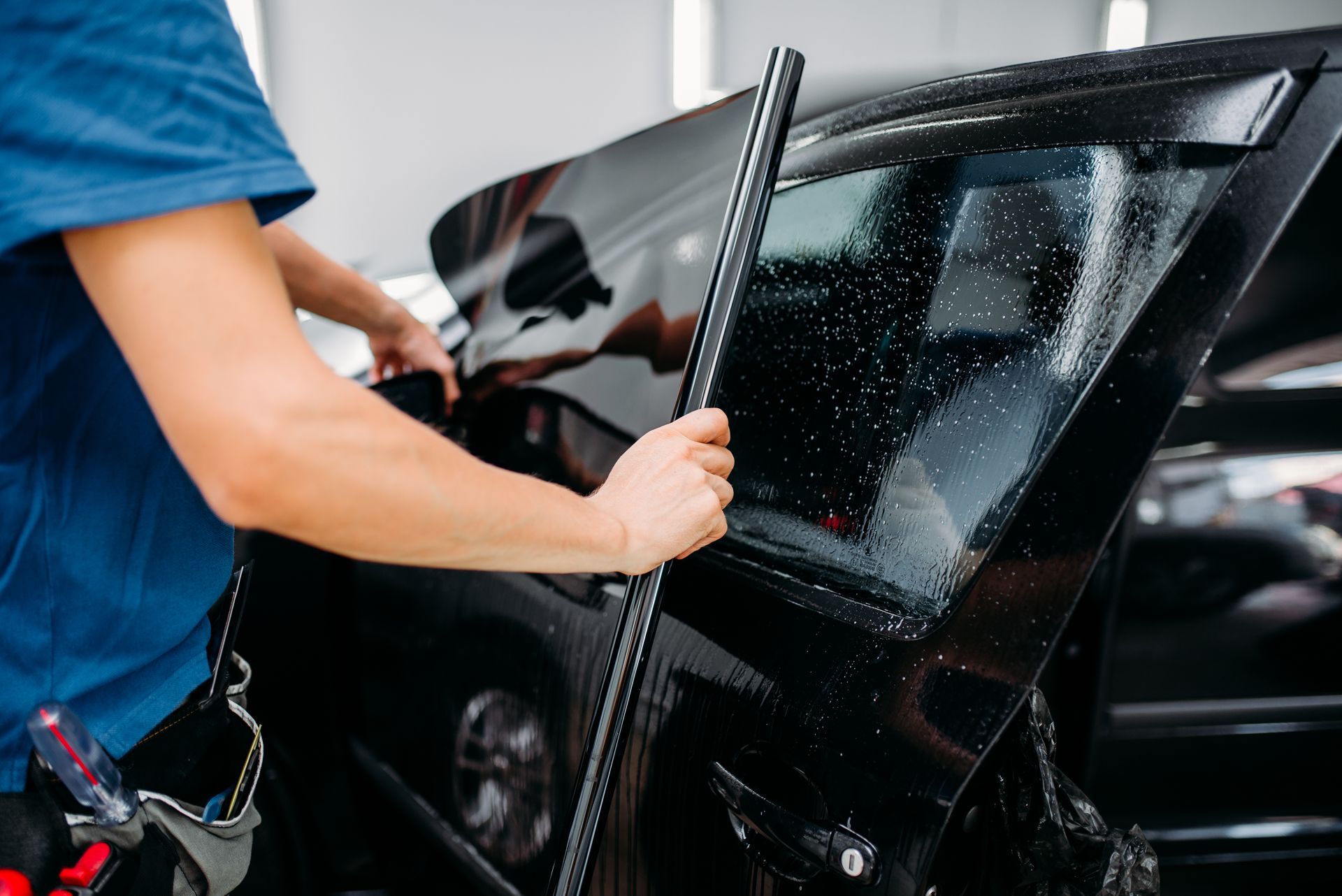
Professional installers begin with a thorough cleaning and, where necessary, minor paint correction to ensure the surface is free of contaminants before the film is applied. Installation takes place in controlled environments that minimize dust and particulate exposure, which is a critical factor in achieving a clean, invisible finish. The film is then cut and applied using precision techniques that account for your vehicle's specific panel geometry, curves, and contours.
Beyond the application itself, professional installations are backed by warranties covering issues such as bubbling, peeling, and edge lifting, assurances that no DIY kit provides. For drivers seeking PPF installation near Auburn, CA, and throughout the broader Placer County region, the difference between professional and DIY installation is ultimately the difference between a film that performs correctly for years and one that fails prematurely.
If you'd like a detailed walkthrough of the process before booking, read our guide on what to expect from a professional PPF installation.
Wet Paint Auto Detailing: Serving Auburn and the Placer County Region
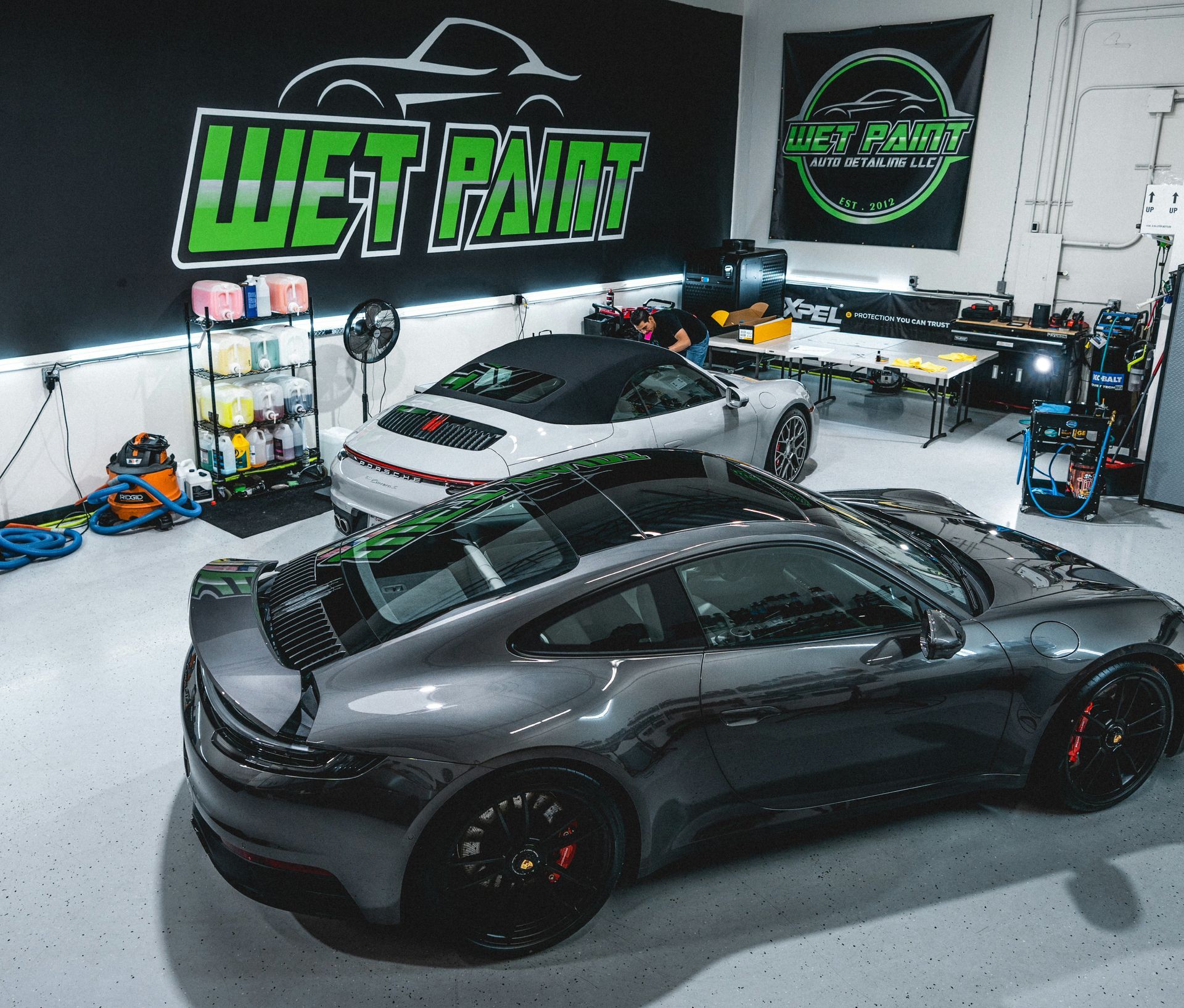
At Wet Paint Auto Detailing, we have been protecting vehicles for drivers across Roseville, Auburn, Rocklin, Granite Bay, Lincoln, Loomis, Folsom, and the broader Placer County area since 2012. We specialize in precision PPF installation, ceramic coatings, and window tinting, with a standard of craftsmanship built over more than a decade of hands-on experience with daily drivers and exotic vehicles alike.
Every installation begins with a thorough vehicle assessment. We evaluate your driving habits, the panels most exposed to risk on the roads you travel, and the level of coverage that makes the most practical sense for your vehicle and long-term goals. Whether you're looking for targeted front-end protection or comprehensive full-body coverage, our recommendation is always based on what serves your vehicle best and not simply what costs the most.
Ready to protect your vehicle from the road conditions Placer County drivers face every day? Call us at (916) 918-2289 or fill out our online form to schedule your consultation. After-hours drop-off is available for your convenience.
Frequently Asked Questions
Is PPF worth it for a daily driver on foothill roads?
For drivers regularly navigating Highway 49, Interstate 80, or other debris-prone routes in the region, PPF provides a level of impact protection that no wax or coating can replicate. The reduction in paint repair costs combined with the preservation of resale value make it a sound long-term investment, particularly for vehicle owners who spend significant time on foothill highways.
Does PPF change the appearance of my vehicle?
When professionally installed, PPF is virtually invisible. It preserves your vehicle's original color, gloss, and finish without any noticeable alteration to its appearance. Quality film maintains optical clarity over time and resists yellowing when properly maintained with appropriate cleaning products.
What is the difference between PPF and ceramic coating?
PPF provides physical impact protection against road debris, chips, and surface scratches, absorbing and dispersing force before it reaches your paint. Ceramic coating bonds chemically with your paint to resist environmental contaminants and UV exposure while significantly enhancing gloss and making maintenance easier. Many vehicle owners choose to combine both for complete protection: PPF as the physical barrier with ceramic coating applied over it for shine and simplified upkeep.
How do I know which panels need PPF coverage?
The most vulnerable areas on vehicles driven on foothill roads are typically the front bumper, hood, front fenders, side mirrors, and rocker panels, as these are the surfaces that bear the most direct and consistent exposure to road debris at speed. A professional consultation with the Wet Paint Auto Detailing team will identify the most effective and efficient coverage approach for your specific vehicle and driving patterns.