Why Fall Is the Ideal Time to Install Paint Protection Film
October 5, 2026
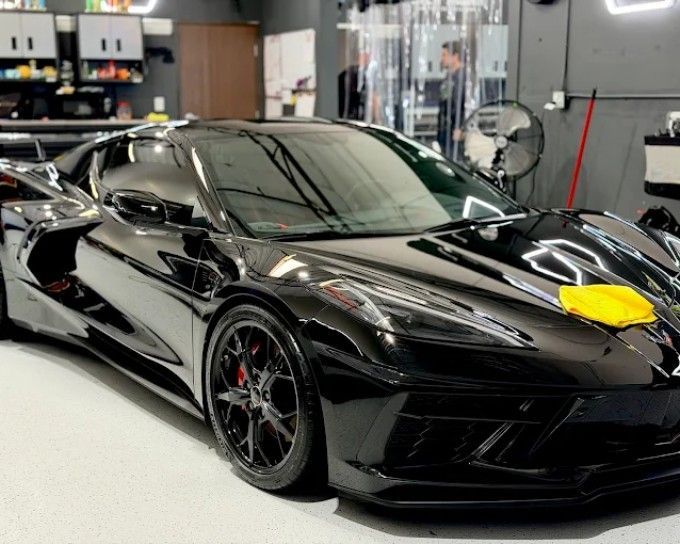
If you’ve been thinking about protecting your car’s paint, fall is one of the best times to act. The season brings cooler, more stable conditions that support a smoother application and a stronger bond between the film and your vehicle’s surface. More importantly, installing paint protection film before winter means your paint is shielded before the wettest, grimiest months arrive.
In short: fall’s moderate temperatures and lower humidity support proper adhesive curing, and scheduling before the rainy season means your vehicle is protected before road conditions bring the most debris and moisture.
Why Fall Conditions Support Better Installation
Paint protection film relies on an adhesive that needs the right environment to bond correctly. When conditions are too hot, the adhesive can soften excessively, making a smooth application difficult. When it’s too cold, the adhesive stiffens and the film loses the flexibility needed to conform to curves and edges without lifting. Fall’s moderate climate sits between those extremes, giving installers more working time and a better chance of a clean, bubble-free result.
Lower humidity in autumn also reduces the risk of moisture getting trapped beneath the film. Moisture pockets can lead to fogging, discoloration, or early lifting. Cleaner, drier surfaces translate directly into stronger adhesion and a more consistent finish.
There’s also a UV benefit. Summer’s intense sun can accelerate the breakdown of adhesives and cause films to yellow or become brittle prematurely. Fall’s reduced UV intensity gives a freshly applied film a gentler curing window, supporting the long-term clarity and flexibility the film needs to perform well.
Protecting Your Vehicle Before Winter Road Conditions Arrive
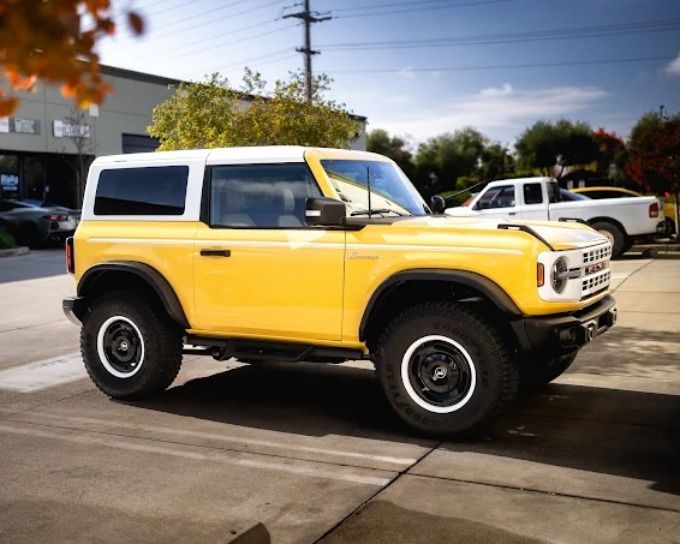
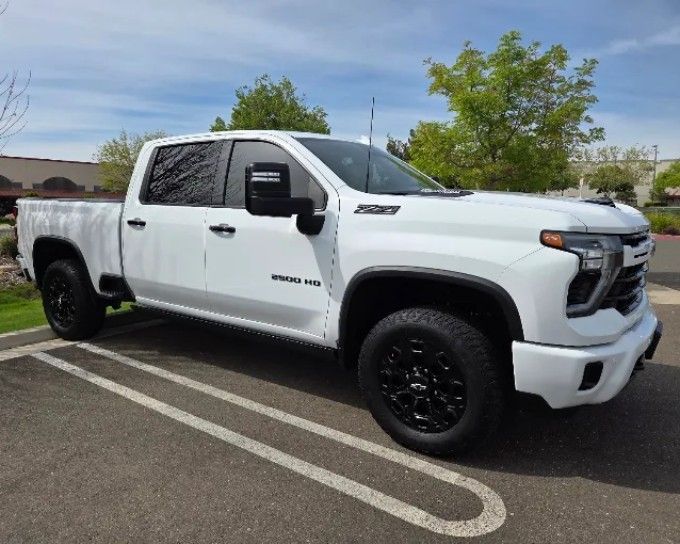
The Sierra Nevada foothills bring real changes to road conditions as fall and winter arrive. Rainfall picks up, highways and local routes carry more grit and debris, and foothill roads can see mud, gravel, and organic material washed onto the pavement. Each of these is a potential threat to unprotected paint.
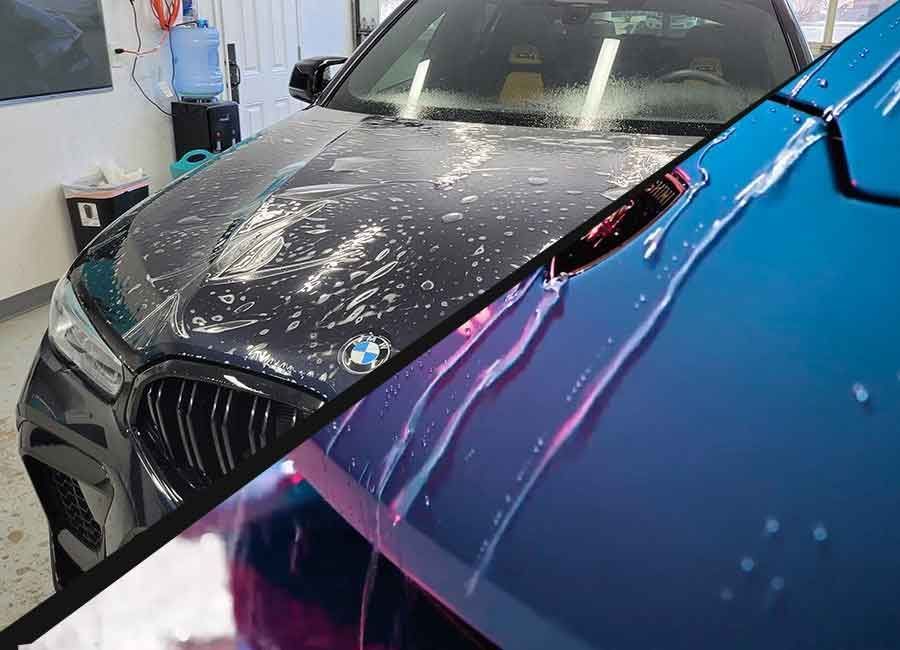
Paint protection film works as a sacrificial layer. When road debris strikes the hood, bumper, or fenders, the film absorbs the impact instead of the paint beneath, preventing chips and scratches that are both unsightly and costly to repair. Installing before winter means you’re not starting the season with paint that’s already accumulated damage. A clean, uncompromised surface is the best foundation for paint protection film, and fall gives you that window before roads get rough. The California Highway Patrol’s guidance on wet-weather driving highlights how road debris becomes a more significant hazard as conditions shift.
For drivers on foothill routes, high-impact areas like the hood, front bumper, side mirrors, and door edges are the most exposed. Getting ahead of that wear means less damage and a vehicle that holds up better through the season. For a closer look at how coverage decisions are made on specific vehicles, our guide on PPF for Porsche covers how to think through prioritizing the right areas.
How Professional Application Ensures the Right Coverage
Getting the most from paint protection film depends heavily on how it’s applied. The paint surface must be thoroughly cleaned and decontaminated before installation, because anything left beneath the film can cause imperfections and reduce adhesion. Any existing scratches or swirl marks are best addressed first through paint correction, creating a smooth, even base for the film to adhere to uniformly.
Application itself requires a controlled environment, precise positioning, and careful squeegee work to prevent trapped air and ensure the film conforms to every curve without lifting edges. Professional installers work methodically through each panel and make precise edge cuts that seal the film securely without cutting into the paint. Post-installation, it’s important to keep the vehicle out of harsh conditions for a short initial period to allow the adhesive to fully cure.
Planning Ahead Before Seasonal Demand Rises
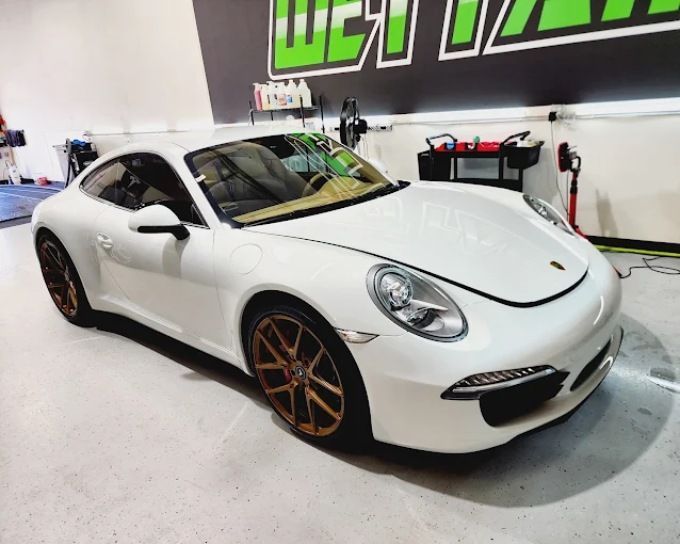

Fall is also a practical time to book because demand tends to increase as the season progresses. Scheduling earlier means more appointment flexibility. A few straightforward habits keep the film performing well through winter:
- Wash regularly with a pH-neutral car shampoo to remove road grime without degrading the film’s surface
- Use a soft microfiber wash mitt rather than abrasive tools that can scuff the topcoat
- Avoid high-pressure washing near film edges, where direct spray can work under the film over time
- Rinse off bird droppings, tree sap, and mud promptly, since these can be chemically aggressive if left to sit
- Inspect edges and high-impact areas periodically so any minor lifting is caught before it spreads
Protect Your Vehicle with Wet Paint Auto Detailing
Fall is the right time to get ahead of winter road conditions, and professionally installed paint protection film is one of the most effective ways to protect your vehicle’s finish before the season gets tough. If you are considering
paint protection film in Auburn, the team at
Wet Paint Auto Detailing brings meticulous preparation and precise application to every vehicle, with dedicated PPF service built around local driving conditions. Call
(916) 918-2289 or visit us to learn more and
schedule your appointment today.
Frequently Asked Questions
Why is fall a good time to install paint protection film?
Fall’s moderate temperatures and lower humidity create conditions that support a strong, consistent bond between the film and your paint. It’s also the last window to protect your vehicle before winter brings more grit, moisture, and debris to local routes.
Does paint protection film really protect against road debris?
Yes. Paint protection film acts as a sacrificial layer that absorbs impacts from gravel, grit, and debris before they can chip or scratch the paint underneath. High-impact areas like the hood and front bumper benefit most.
Can paint protection film be installed in other seasons?
It can be applied year-round, but extreme heat or cold can make achieving a clean, lasting bond more difficult. Fall’s natural conditions reduce the variables and support a cleaner result.
How long does paint protection film last?
A properly installed, well-maintained film can last for years. Gentle washing, avoiding abrasive tools, and periodic inspection all help it maintain its protective and aesthetic qualities over time.
What areas of a vehicle benefit most from paint protection film?
The areas most exposed to road debris, including the hood, front bumper, side mirrors, door edges, and fenders, typically benefit most. An installer can help you decide on full coverage versus protecting the highest-risk zones based on how and where you drive.