Ceramic Coating Protects Against Fallout and Hard Water Damage: A Complete Guide
August 3, 2026
Ceramic coatings do far more than make your vehicle shine. If you're tired of fighting stubborn dirt, water spots, and the tiny scratches that seem to appear out of nowhere, ceramic coating offers a smart solution. By bonding tightly to your car's paint, it creates a protective layer that helps resist hard water stains, fallout from the environment, and daily grime, all while making cleaning easier. Here's how this shield works and why it's a sound investment for keeping your car looking its best with less hassle.
In short: a ceramic coating provides a durable, protective layer that shields vehicle paint from contaminants like fallout and hard water deposits. Its hydrophobic properties cause water and pollutants to bead and roll off the surface, helping prevent staining, etching, and corrosion while preserving the paint's clarity and gloss over time.
How Ceramic Coating Shields Against Fallout
When particles like tree sap, pollen, brake dust, and industrial pollution settle onto your car's paint, they don't just sit harmlessly on top. Left untreated, they can embed into the surface, causing tiny scratches and lasting damage that dull your car's shine.
Ceramic coatings tackle this by forming a durable shield of silicon dioxide that bonds chemically with the paint beneath. This isn't a simple layer you can wipe off. Instead, it becomes part of the paint's protective structure, creating a barrier far tougher than traditional wax or sealants. Because it's bonded at a molecular level, minor impacts that would otherwise scratch or etch the paint are greatly reduced.
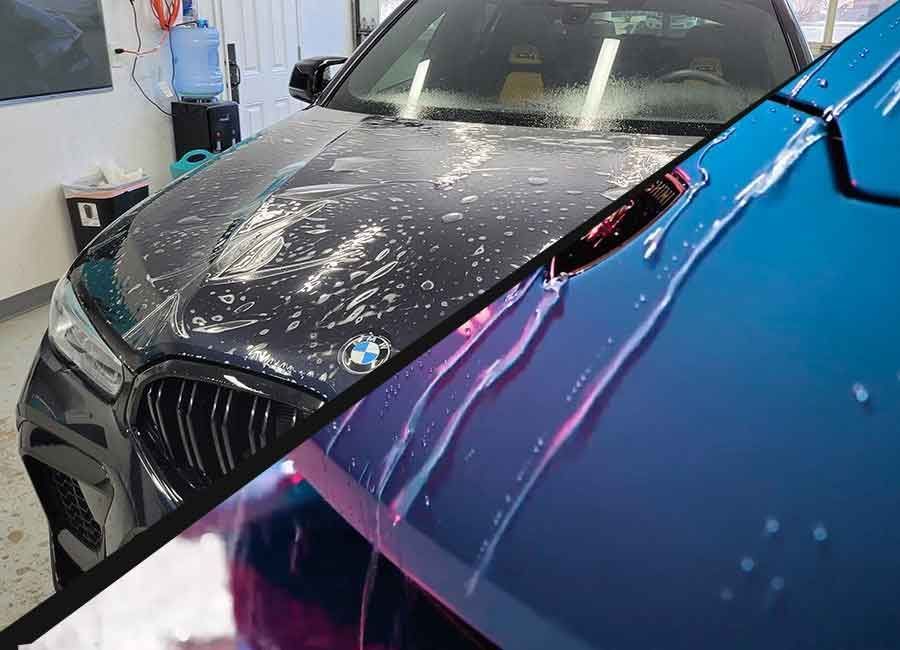
The coating's hydrophobic nature also gives it a self-cleaning quality: water beads up and rolls off, carrying contaminants with it instead of letting them adhere tightly. When it rains or when you wash your car, these particles are swept away more easily rather than embedding into the paint. That means less harsh scrubbing, which itself can cause micro-scratches, and less buildup over time. In essence, ceramic coatings provide an active defense that resists fallout through both chemical resilience and physical repellency, going beyond what normal waxes or sealants offer.
Defensive Properties Against Hard Water Damage
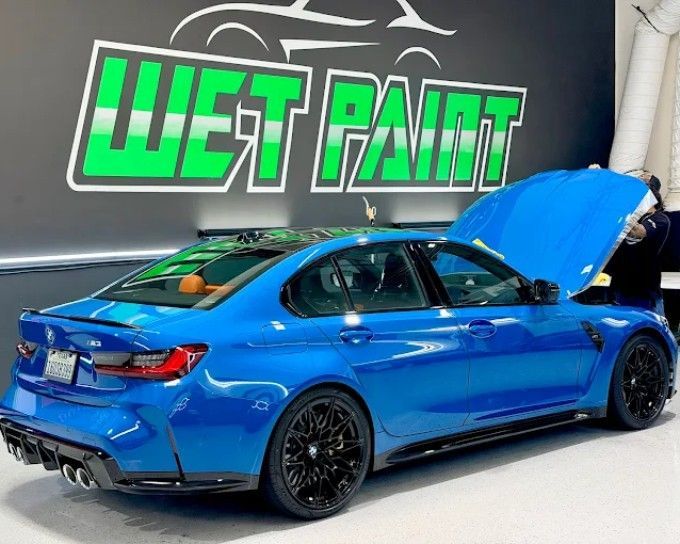
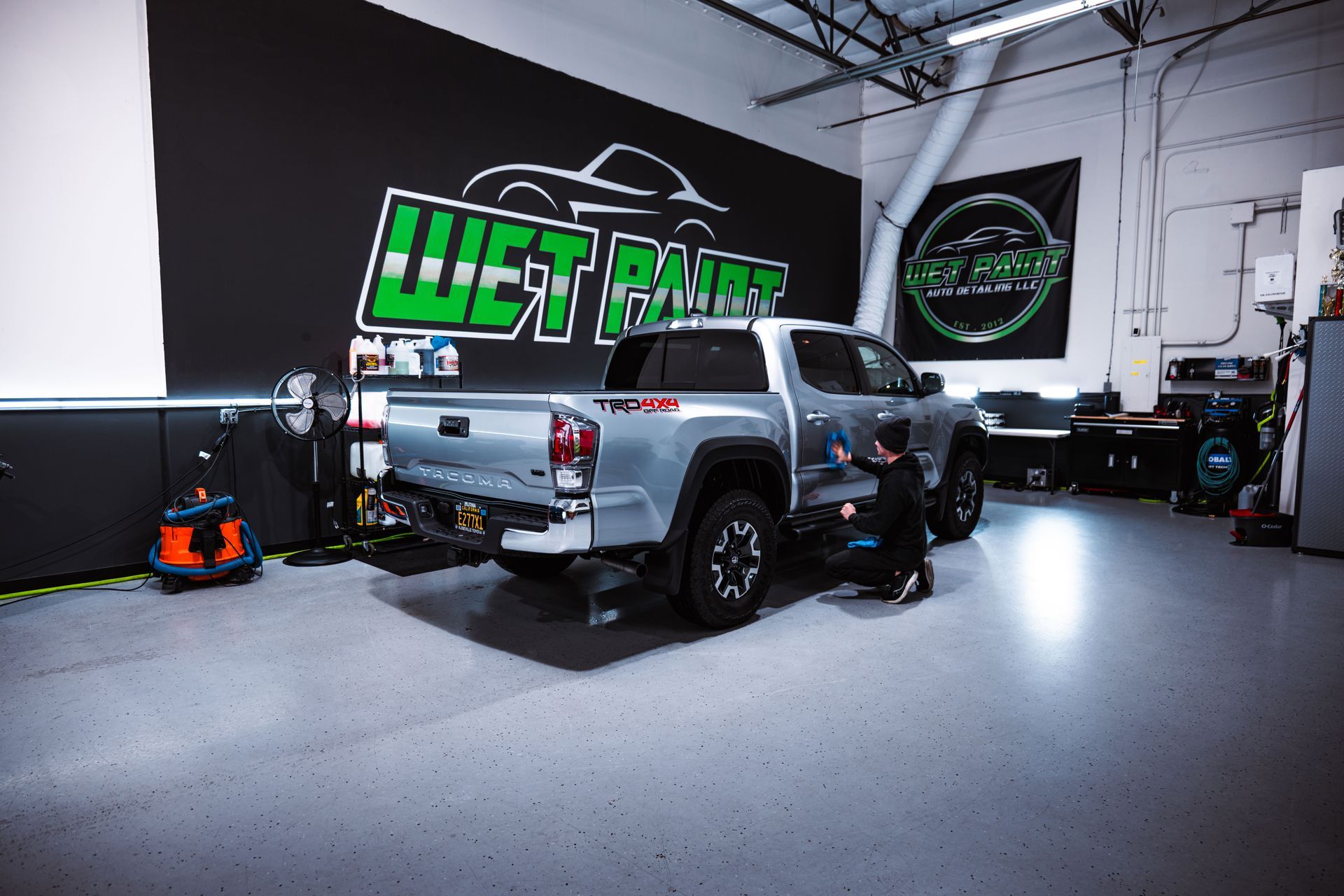
Hard water, packed with minerals like calcium and magnesium, is notorious for leaving stubborn spots and streaks on car paint. When droplets dry, these minerals are left behind as marks that can etch into the clear coat if not addressed promptly.
Ceramic coatings combat this by creating a hydrophobic layer that repels water rather than letting it linger. Water gathers into tight beads that quickly roll off, often carrying mineral deposits and grime along with them. This "beading effect" means each droplet has minimal contact with the surface, leaving fewer opportunities for minerals to settle and stain.
That said, the coating doesn't make your vehicle completely impervious to spotting if water is left to dry naturally, so rinsing or drying the car soon after exposure enhances protection. A high-quality ceramic coating forms a robust molecular bond that can last for years when properly applied and maintained, offering a semi-permanent defense that requires far less upkeep than waxes, which wear down quickly. Its tough, glass-like silicon dioxide (SiO₂) shell resists chemical etching from the acidic mineral deposits common in hard water, helping prevent the costly repairs tied to neglected spots eating into clear coats.
The Protective Hydrophobic Layer Explained
At the heart of a ceramic coating's performance is its hydrophobic, water-repelling nature. By lowering the surface energy of your paint, the coating causes water to bead up rather than spread evenly. When water sheets away quickly, contaminants like dirt and road salts are less likely to latch on, and there's less time for hard water minerals to leave stubborn spots.
This durable layer can also mean fewer washes overall, while continuing to protect against UV exposure, oxidation, and chemical etching. Compared with traditional wax, a ceramic coating offers:
- Water beading effect: strong and long-lasting, versus mild and short-term with wax
- Resistance to hard water: high, versus low with wax
- Gloss retention: superior, versus moderate with wax
- Frequency of reapplication: infrequent, versus frequent with wax
- Chemical and UV protection: excellent, versus minimal with wax
Applying Ceramic Coating for Optimal Protection
Correct application is the foundation of everything. Skipping or rushing any step can compromise how well the coating bonds, reducing its durability and effectiveness.
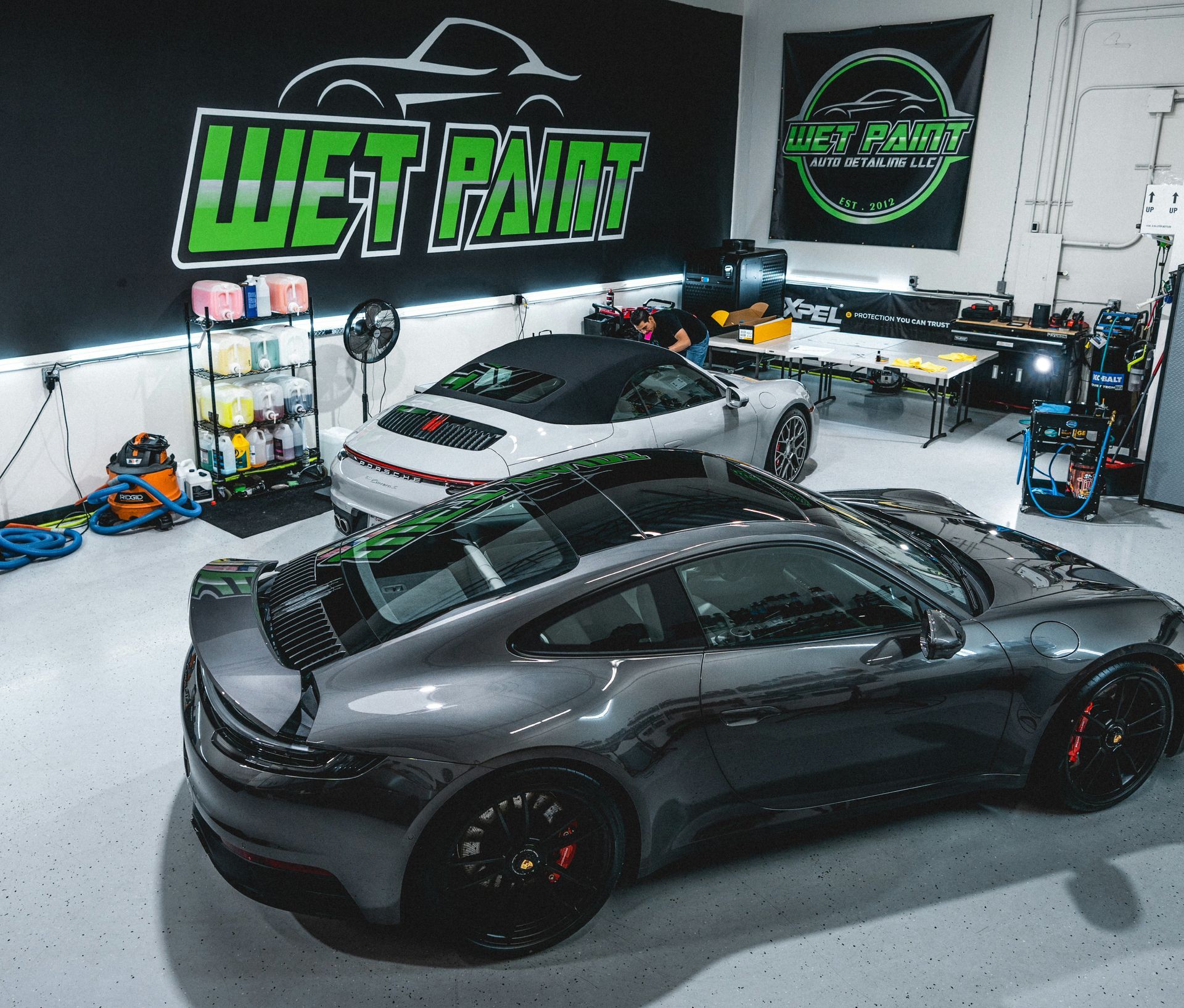
It starts with prep: the surface must be immaculate. At Wet Paint Auto Detailing, we go beyond a basic wash and use clay barring to lift microscopic impurities embedded in the paint, smoothing the surface on a molecular level. Think of gluing a sticker to a dusty wall; it won't hold unless the surface is clean and smooth.
Next comes polishing, which refines the paint so it reflects light evenly and removes the slight scratches and swirl marks that would otherwise interrupt bonding. Finally, application itself: working in small sections with a precision applicator pad, laying down thin, even layers so the coating bonds seamlessly across every panel. Patience matters here, since rushing leads to hazy or blotchy spots once cured.
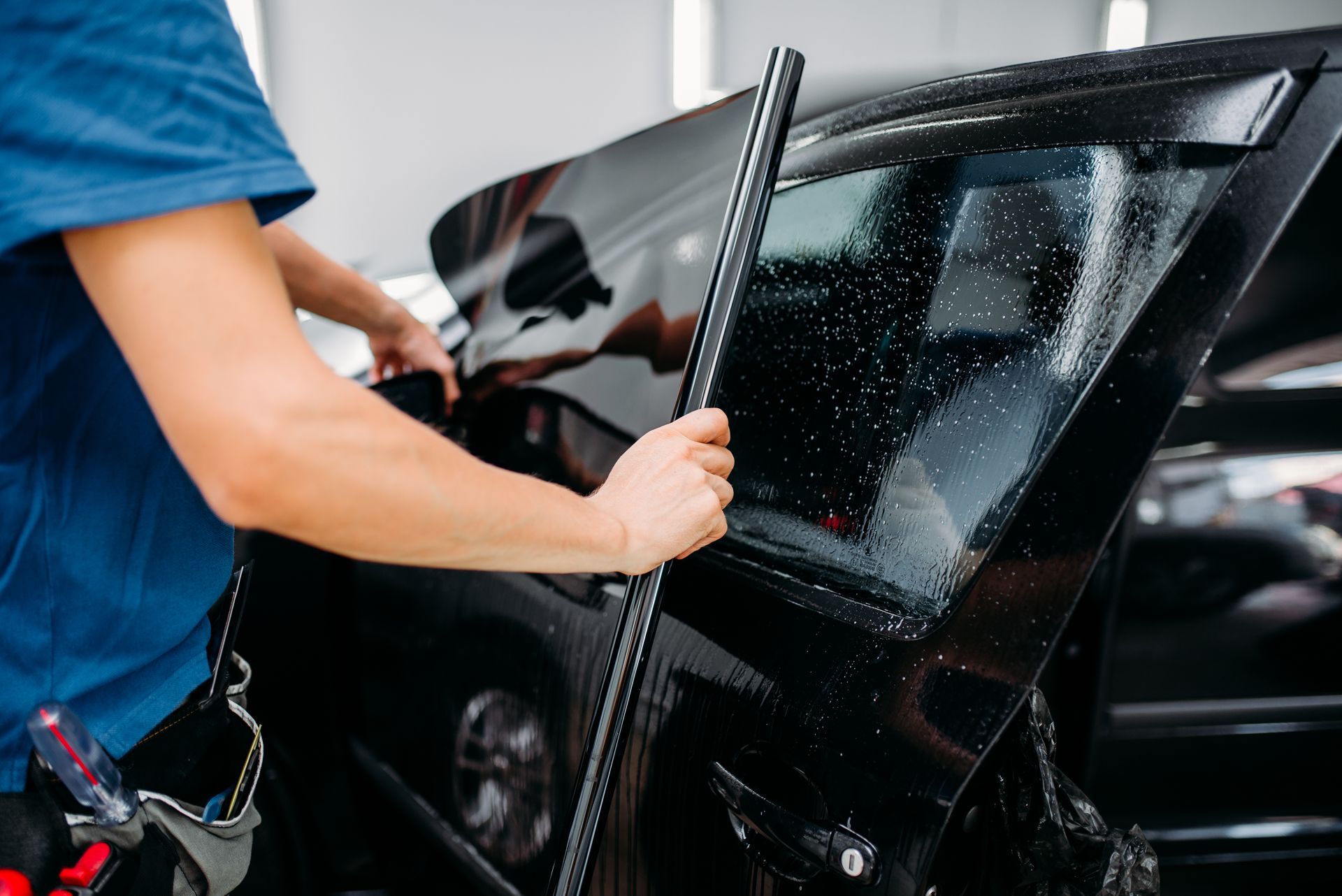
Professional application is what ensures the coating performs consistently across the entire vehicle. Controlling temperature, humidity, and lighting, ideally in a cool, shaded, dust-free environment, lets a skilled installer catch missed patches and achieve even coverage on every surface. Follow your installer's guidance on when the vehicle is ready for normal driving and washing, since these timelines vary by product.
Essential Maintenance for Coated Cars

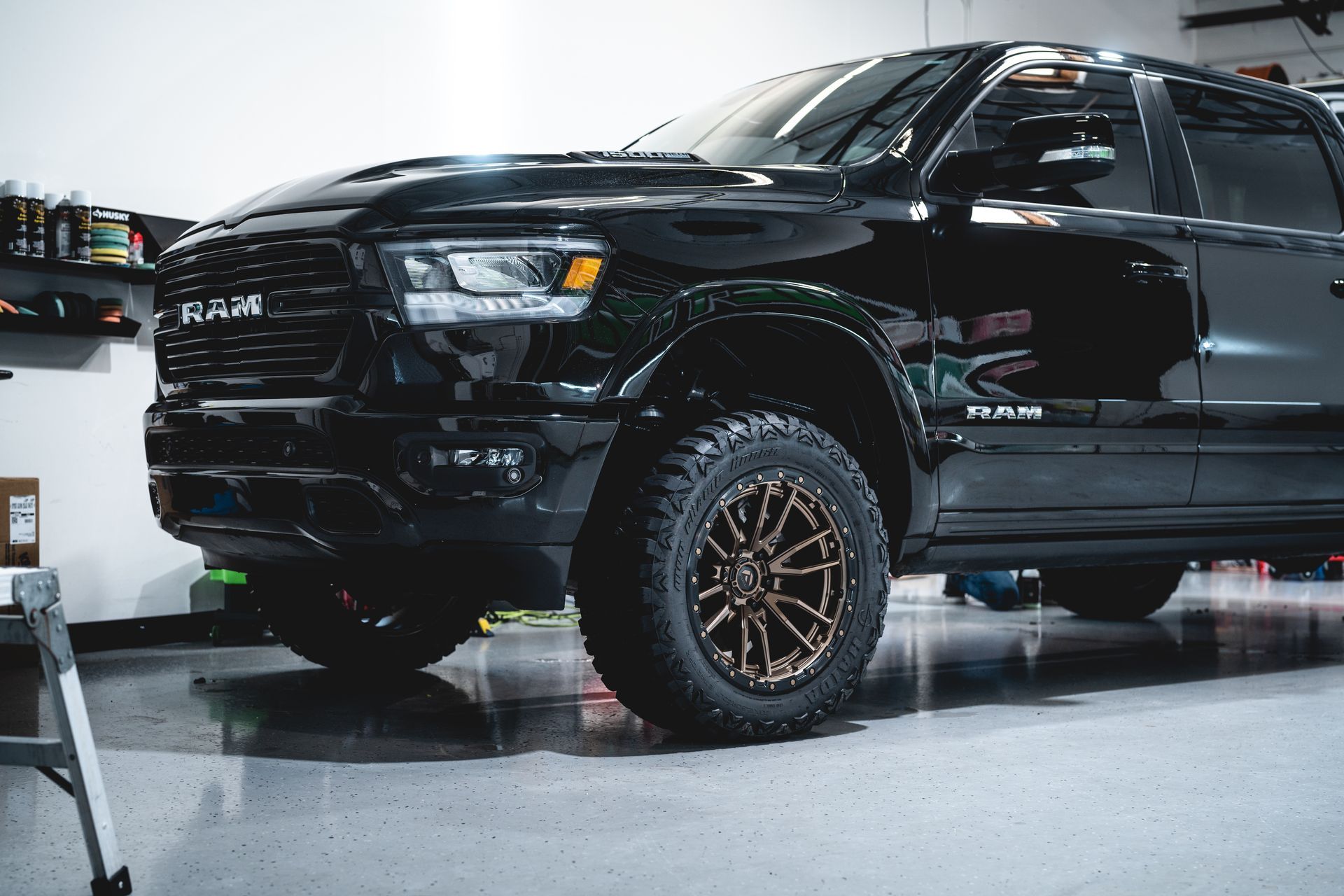
A ceramic coating still requires thoughtful care. Routine, gentle washing prevents dirt and contaminants from embedding in the surface. Use a pH-neutral car shampoo, since acidic or alkaline cleaners can erode the coating prematurely, and hand wash with microfiber mitts rather than relying on automated washes with spinning brushes that can cause micro-scratches.
Avoid harsh household or industrial cleaners, which can strip the coating as efficiently as they cut grease. Instead, use specialized spray-on maintenance products designed to refresh ceramic coatings between professional applications. Parking in shade or a garage minimizes UV exposure, and rinsing off bird droppings or tree sap promptly avoids the chemical etching that even tough coatings struggle with once it bakes into the paint.
Real-Life Benefits of Ceramic Coating
The biggest everyday change owners notice is easier maintenance. Dirt, water, and grime bead up and roll off instead of clinging, so cleaning takes less time and less effort. That ease also protects your paint, since a sacrificial layer absorbs minor imperfections while maintaining a high-gloss shine. Key benefits include:
- Enhanced gloss: a long-lasting, mirror-like shine that outlasts traditional waxes
- Ease of cleaning: a hydrophobic surface lets dirt, water, and contaminants slide off easily
- Protection longevity: maintains its defense against damage for years
- Scratch resistance: reduces susceptibility to swirl marks and light scratches
Protect Your Vehicle with Wet Paint Auto Detailing
Ceramic coating is one of the smartest ways to guard your paint against fallout, hard water, and everyday wear while keeping that showroom shine for the long haul. For expert application tailored to your car's needs, Loomis drivers can turn to a trusted local shop like Wet Paint Auto Detailing, where craftsmanship meets modern technology.
Call (916) 918-2289 to learn more or schedule your appointment today.
Frequently Asked Questions
Do application techniques improve resistance to fallout and hard water damage?
Yes. A clean, dust-free environment plus proper prep, meaning thorough decontamination and polishing, improves resistance. Laying down thin, even layers supports full curing and adhesion, so technique matters as much as the product.
How long does the protective effect last?
A quality coating can protect for years, depending on the product, application, and maintenance. Hard water minerals and acidic fallout gradually wear down the hydrophobic properties, so regular upkeep preserves longevity. Think of it as sunscreen for your paint.
How does ceramic coating protect against environmental fallout?
It creates a hydrophobic barrier that repels contaminants like tree sap, pollen, acid rain, and bird droppings, preventing them from bonding tightly so they wash away more easily.
Can ceramic coatings reduce hard water stains?
They help defend against them by creating a water-repelling barrier that discourages mineral deposits from latching onto the paint. They're not a magic fix, but they're one of the best available defenses.
What types of fallout are best mitigated?
Metallic fallout, industrial pollutants, and brake dust, the particles that embed into paint and cause stubborn stains. The coating's hydrophobic, chemical-resistant surface helps repel them before they etch or corrode.