How Self-Healing Paint Protection Film Works: Technology and Durability Explained
September 7, 2026
What if your vehicle could recover from minor scratches with just a bit of warmth, no extra work or costly repairs needed? That's the appeal of self-healing paint protection film. This specialized film diminishes tiny scratches when exposed to heat like sunlight or warm water, helping your car look fresh longer.
In short: self-healing paint protection film uses flexible thermoplastic polyurethane whose molecular chains shift and reposition when warmed, allowing the surface to smooth out and visibly reduce minor scratches.
The Basics of Self-Healing Paint Protection Film
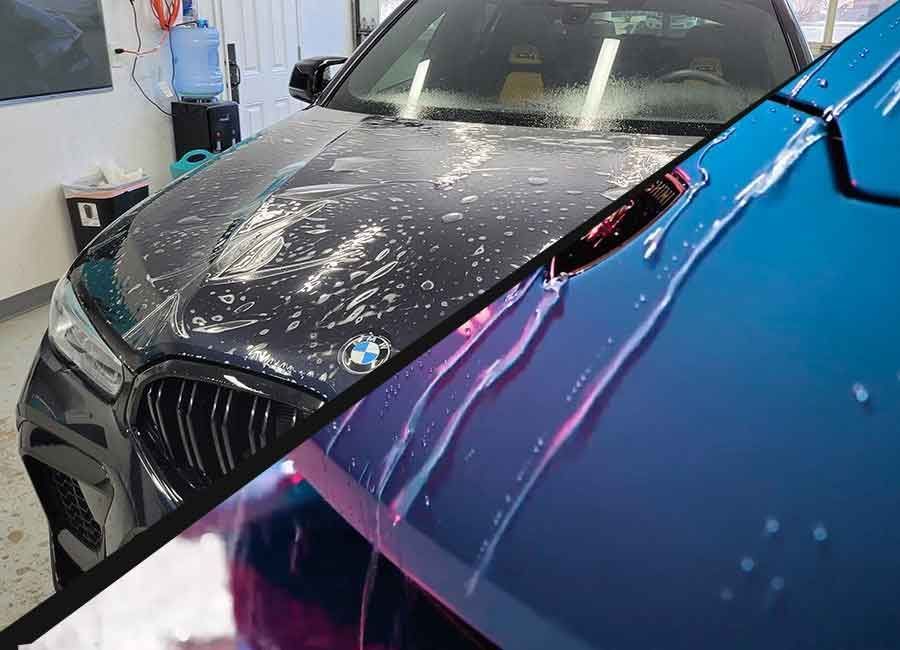
At its core, self-healing PPF is a thin, transparent layer made from thermoplastic polyurethane (TPU). Unlike rigid coatings, this material has flexible molecular chains that remain mobile even after the film cures, and that mobility is the key to its self-repairing ability. The topcoat responds to heat by increasing molecular movement, encouraging the chains to pull back into alignment and close the microscopic peaks and valleys a scratch creates. This works best for shallow, surface-level marks. Deep gouges beyond the topcoat are beyond its repair capacity, but most typical light wear is handled seamlessly.
Composition and Materials
Self-healing PPF is built as a multilayer structure designed to balance flexibility, durability, and adhesion:
- Top layer: an elastomeric thermoplastic polyurethane clear coat whose flexible chains remain mobile after curing, allowing scratches and swirls to reflow and heal when warmed
- Middle layer: a polyurethane base that acts as a cushion, flexing to disperse the energy of stones and debris so impacts are less likely to reach your paint
- Bottom layer: a pressure-sensitive adhesive that holds the film firmly to the vehicle yet allows clean removal without damaging the paint
Quality films weave UV stabilizers into the polymer to protect against sun damage that could otherwise cause yellowing, keeping the film clear.
The Self-Healing Process and Heat Activation
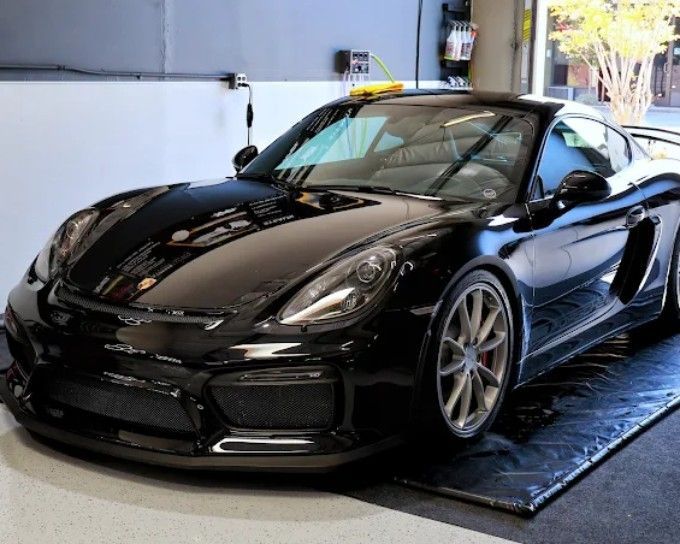
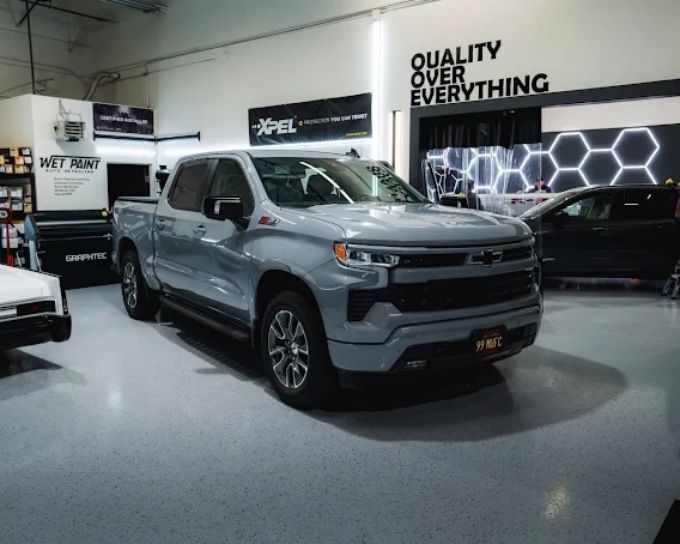
When a scratch occurs, the polymer chains in the film's top layer are temporarily displaced. Applying heat stimulates those chains to move more freely, letting them reflow the surface. Pouring warm water over the affected area or parking in direct sunlight is usually enough. Cold weather slows the process, but warming the area manually can reactivate it. A few practical tips:
- Keep the film clean so dirt doesn't get trapped in a scratch and slow the process
- Use warm rather than very hot water to avoid risking nearby components
- Let routine sun and washing help, since minor swirl marks often diminish naturally with regular warmth
The Benefits of Self-Healing Film
Self-healing PPF is engineered from tough urethane polymers designed to absorb impacts from road debris, shield against UV rays, and resist minor scratches. Many minor blemishes diminish on their own with a little warmth, reducing professional repair costs. Because the film maintains a clear barrier over your original paint and resists yellowing and fading, your car keeps looking fresh off the showroom floor.
For owners who later decide to sell, that well-preserved appearance can strengthen resale value. Because a vehicle is a major purchase, it's worth pairing it with sound long-term care, and the FTC's guide to buying and owning a car is a helpful resource on protecting that investment.
Professional Installation Matters
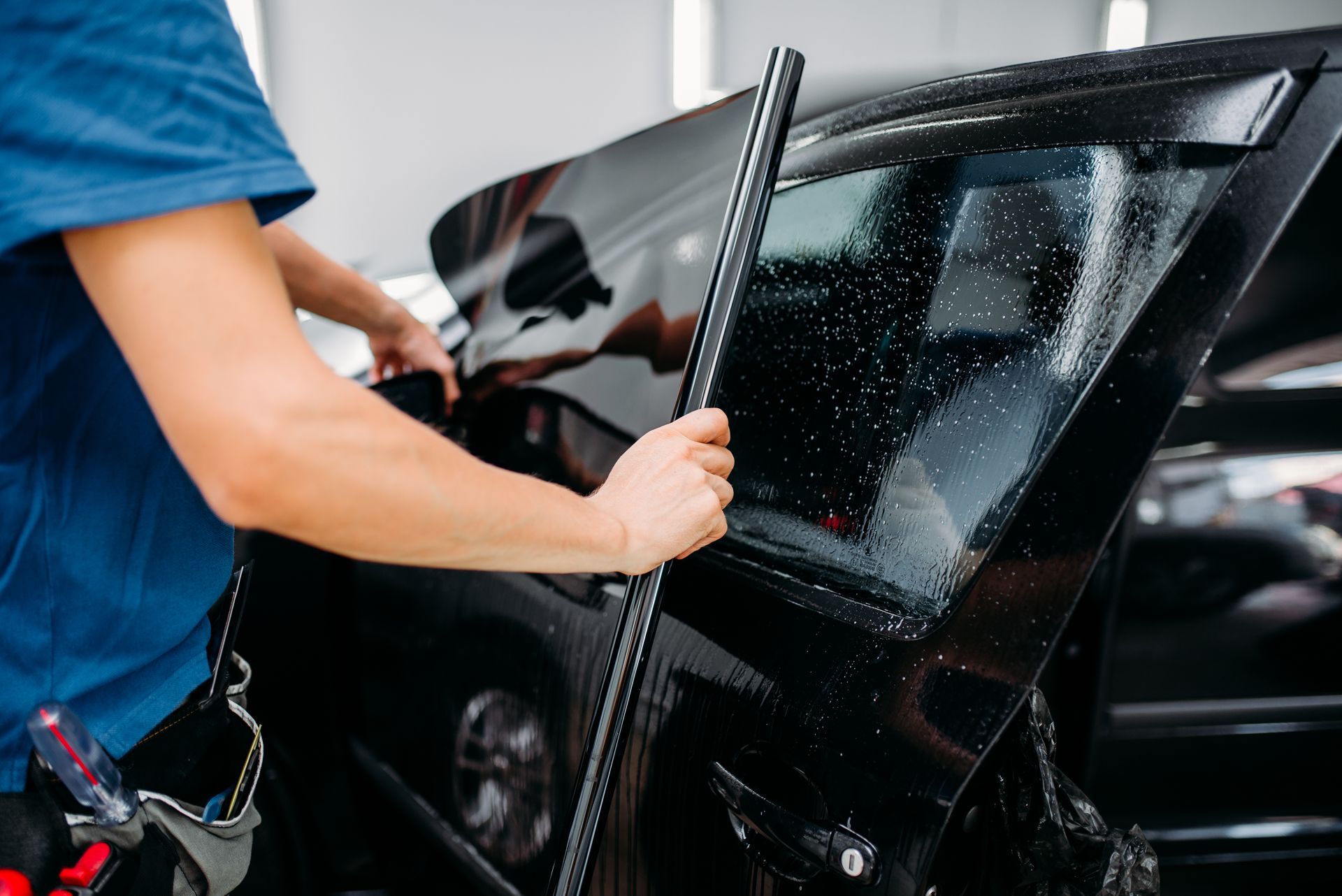
Installing PPF demands meticulous care. The paint must be immaculate before the film goes on, cleaned to strip away oils, waxes, and contaminants, because even tiny particles left underneath can cause imperfections and reduce adhesion. During application, a slip solution lets the installer position the film precisely before it sets, then a soft squeegee pushes out trapped air to prevent wrinkles or lifting. Precise edge trimming seals every border securely without touching the paint.
This is where professional installation proves its value, ensuring consistent coverage especially on the high-impact areas most exposed to road debris like the hood, front bumper, mirrors, and door edges. If you're weighing when to protect a vehicle, it's worth understanding why smart buyers install PPF before the first drive. Post-installation, avoid washing or harsh conditions for a short initial period so the film can fully adhere. As the team at Wet Paint Auto Detailing puts it, proper installation doesn't just protect your paint; it helps preserve your car's showroom shine for years.
How It Compares to Other Protection
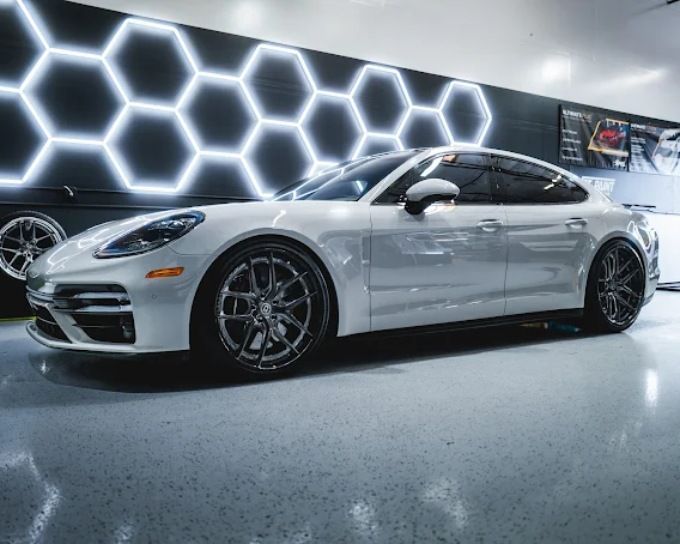
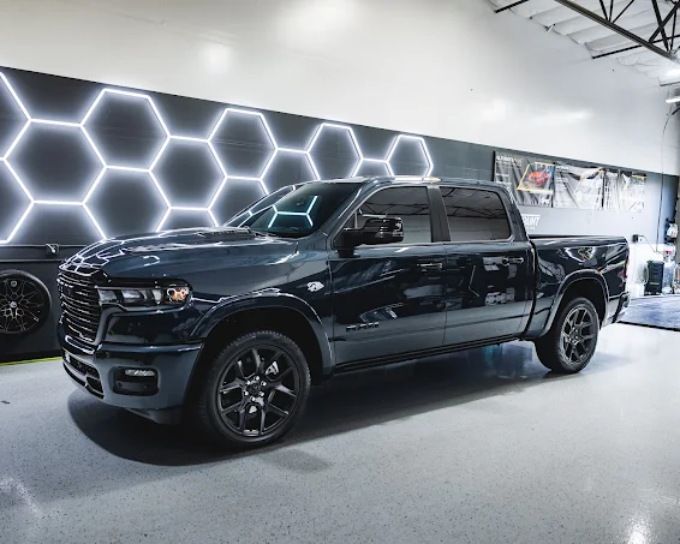
Self-healing PPF stands apart from ceramic coatings in its ability to recover from minor abrasions through heat. Ceramic coatings provide a glossy, hard surface that resists chemicals and helps guard against light marring, but they don't heal scratches or offer the same impact resistance. Vinyl wraps serve mainly an aesthetic purpose with low impact protection and no self-healing. Here's the practical contrast:
- Self-healing PPF: impact-resistant and self-repairing for minor scratches; the strongest choice for protecting the actual paint
- Ceramic coating: a hard, hydrophobic surface with excellent gloss and chemical resistance, but no scratch healing
- Vinyl wrap: built for visual customization with low impact protection and no self-healing
Many enthusiasts pair a ceramic coating over PPF for the best of both.
Real-World Durability and Maintenance
Well-installed, properly maintained film can go for years without peeling or clouding. A few habits help you get the most from it:
- Prioritize quality installation, since a poor fit undermines durability from the start
- Clean gently with pH-neutral soap rather than harsh chemicals that degrade the topcoat
- Keep high-pressure washers away from edges, where direct spray can lift corners
- Inspect periodically so minor issues are caught before they become damage the film can't heal
Protect Your Vehicle with Wet Paint Auto Detailing
For professionally installed paint protection film in Rocklin, the team at
Wet Paint Auto Detailing keeps vehicles looking their best, absorbing everyday scratches and swirl marks while preserving a clear, factory-like finish, with dedicated
PPF service for the Rocklin area. Call
(916) 918-2289 or visit our website to learn more or
schedule your appointment today.
Frequently Asked Questions
How long does it take for self-healing PPF to repair scratches?
Light, surface-level scratches often diminish within minutes to a few hours since the film's topcoat responds to heat from the sun or warm water. Deeper marks take longer and may not fully resolve, and anything that penetrates past the topcoat generally can't be healed this way.
How effective is self-healing PPF compared to traditional clear coats?
Self-healing PPF has an advantage because its elastomeric top layer can reflow and reduce minor scratches and swirl marks with heat, rather than relying on hardness alone. The surface can recover from light wear without constant polishing.
Can all types of scratches be repaired by self-healing PPF?
No. The film excels at light, superficial marks that sit in the topcoat, which reflow when warmed. Deep gouges or cuts that breach the film's surface usually need professional attention or film replacement.
Are there specific temperature requirements to activate the self-healing properties?
The effect works best with mild to warm heat, which is why sunlight or warm water activates it. Cold conditions slow the process, so a warming treatment helps.
What materials are used in self-healing paint protection films?
Self-healing films are built primarily from flexible thermoplastic polyurethane, whose heat-activated molecular movement allows the top layer to smooth out minor marks. UV stabilizers help resist yellowing and keep the film clear.