Pro Ceramic Coating Curing Process Explained: Drying Time and Benefits
March 20, 2026
Ceramic coatings promise to keep your car looking fresh and shiny for years, but achieving that perfect finish is not as simple as applying the product and walking away. The secret lies in how well the coating cures, a carefully timed chemical process that transforms a wet layer into a solid, protective shield. Rushing or skipping this stage means your car's paint will not receive the full benefits you paid for. Here is a breakdown of why the curing process matters, what happens during the first hours and weeks, and how the right environment makes all the difference.
What Happens During Curing?
When a professional ceramic coating is applied to a vehicle, a complex chemical process begins between the coating's molecules and the paint surface. The first stage is the initial dry time, which typically spans 24 to 48 hours. During this phase, the coating's surface loses its tackiness and begins to set. However, the layer remains fragile and vulnerable to contaminants such as dust, water spots, and oils. Minimal exposure to harsh elements is essential during this window, as premature interference can cause imperfections that reduce the coating's protective benefits.
After the initial drying period comes the full curing phase, which generally takes two to three weeks under optimal conditions. During this stage, the ceramic coating undergoes ongoing chemical bonding, where silicon dioxide molecules cross-link with each other and with the paint surface. This molecular fusion creates a hard, glass-like shell responsible for exceptional durability, hydrophobicity, and UV protection. While your car may look ready shortly after application, this deeper chemical hardening ultimately determines how long-lasting your ceramic coating will be.
Factors That Influence Curing Time
The environment where your vehicle cures plays a significant role in how efficiently the process unfolds. Temperature and humidity are among the most important variables. Warm temperatures around 20 to 25 degrees Celsius, paired with moderate humidity of approximately 50 percent, provide ideal conditions for timely curing.
Cooler or overly humid environments slow molecular bonding and prolong the coating's period of vulnerability. Because of this sensitivity, many professionals recommend applying coatings inside controlled settings such as garages or detailing shops with regulated temperature. Leaving a freshly coated vehicle outside overnight on a damp evening, for example, can introduce moisture that causes water spots or uneven texture in the coating.
Other factors that affect curing include the thickness of the application, since thicker layers take longer to cure fully, as well as the specific formulation of the product being used, since proprietary chemicals influence drying behavior. Always following the manufacturer's guidelines ensures the best possible results for the specific product applied.
Proper Post-Application Care
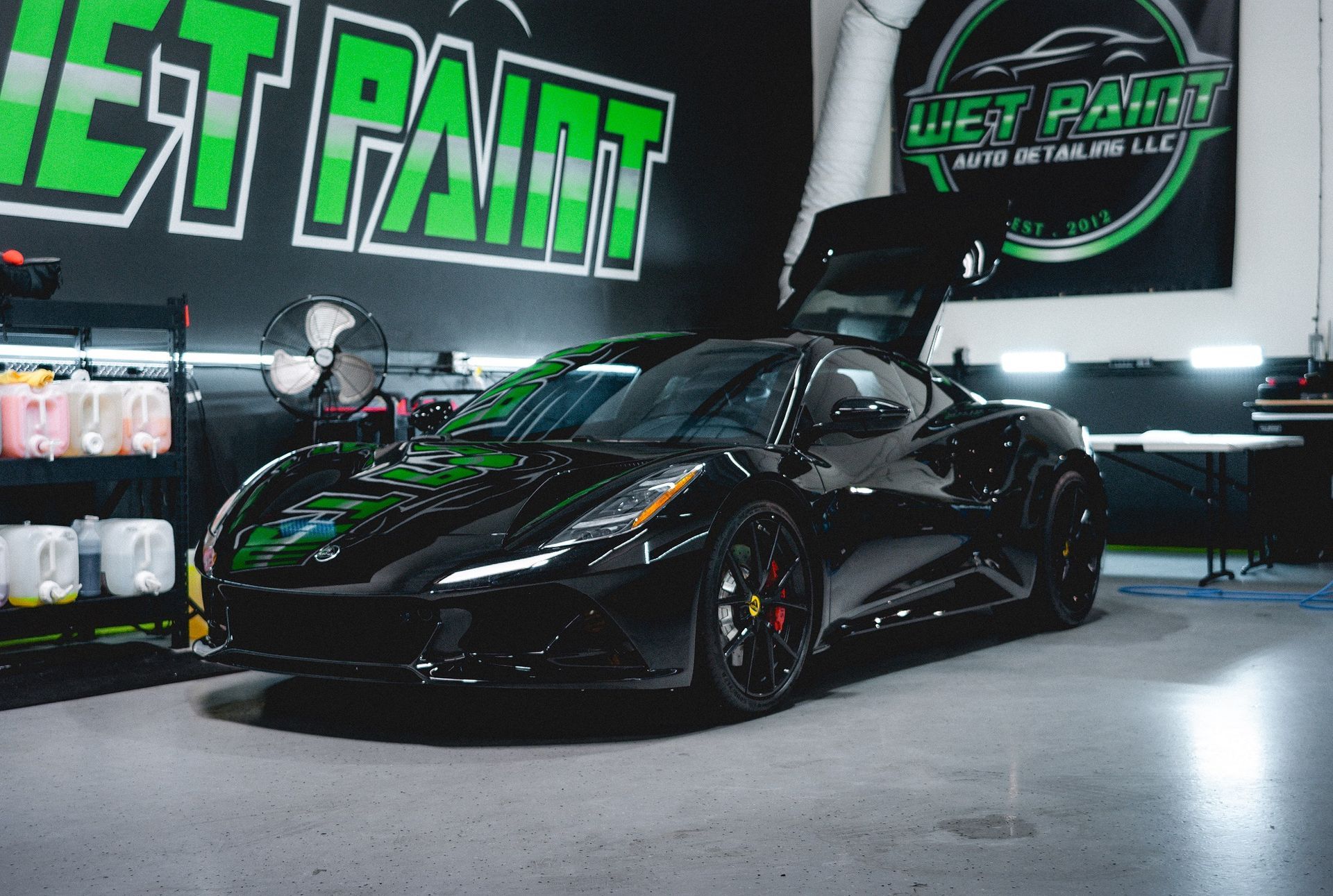
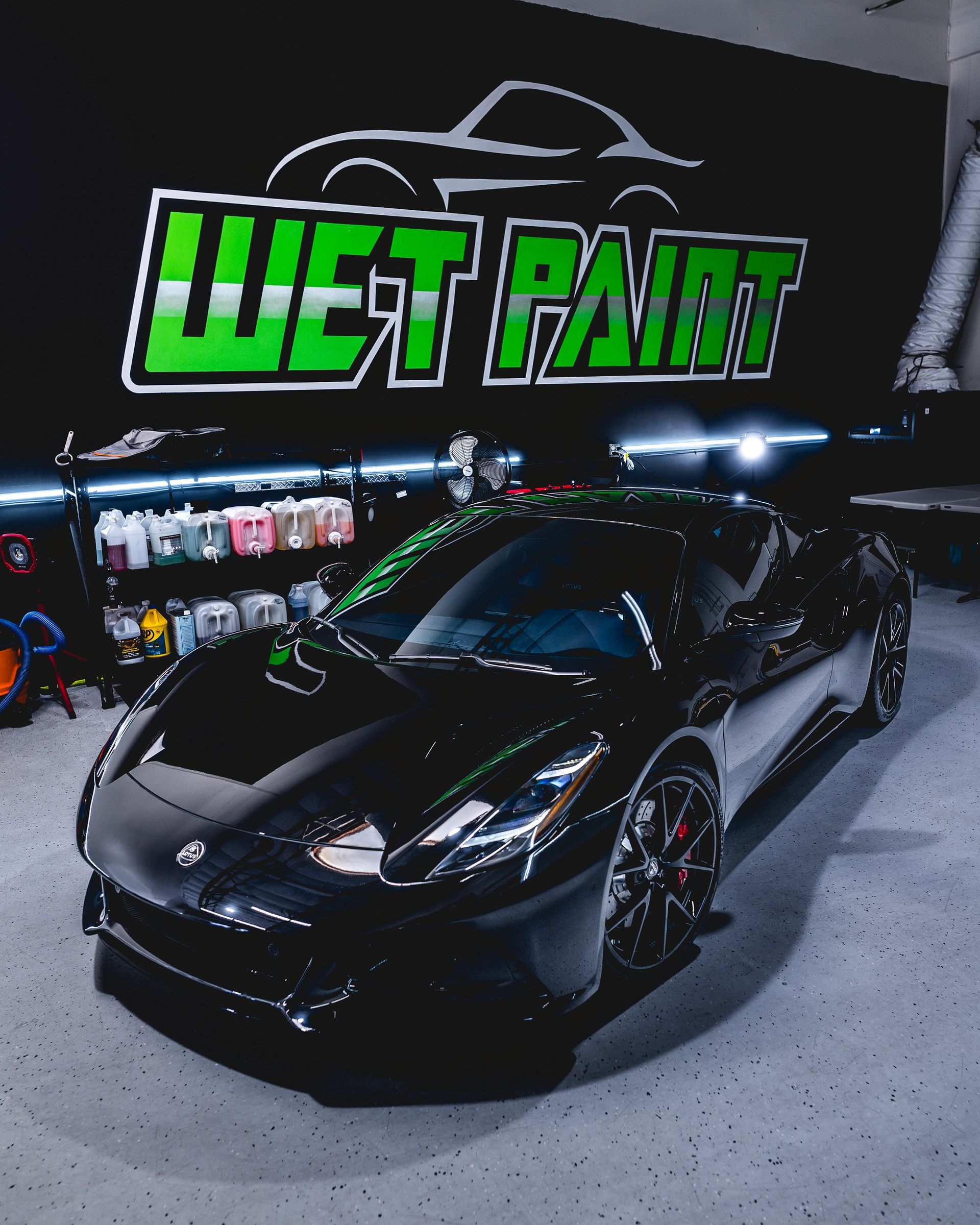
Post-application care is not simply about waiting. How you treat your vehicle during the curing period directly affects performance and longevity. Keeping your car sheltered in a garage or covered space, away from dust and direct water contact, is strongly advised. Avoid washing the vehicle with soaps or strong chemicals for at least one week, as this preserves the delicate chemical bonding occurring beneath the surface. Driving is generally safe after approximately 48 hours, provided you exercise caution and avoid harsh weather conditions or road debris that could damage the partially cured coating. Touching freshly coated panels should also be kept to a minimum during the early stages to prevent oils or fingerprints from compromising the finish.
Benefits of Proper Curing
Allowing a ceramic coating to cure correctly unlocks its full range of protective benefits. A fully cured coating forms a solid, durable layer that withstands everyday wear far better than untreated paint or wax. With proper curing, the chemical bond that forms creates impressive hardness, making the surface resistant to common surface damage encountered in daily use. This level of durability sets ceramic coatings apart from traditional sealants or waxes, which fade quickly and require frequent reapplication.
Beyond physical hardness, a fully cured coating provides superior UV protection, blocking a significant portion of ultraviolet radiation that causes paint oxidation and fading over time. It also forms a resistant barrier against chemical contaminants such as acid rain, road salts, and industrial fallout, which slowly degrade standard paint finishes.
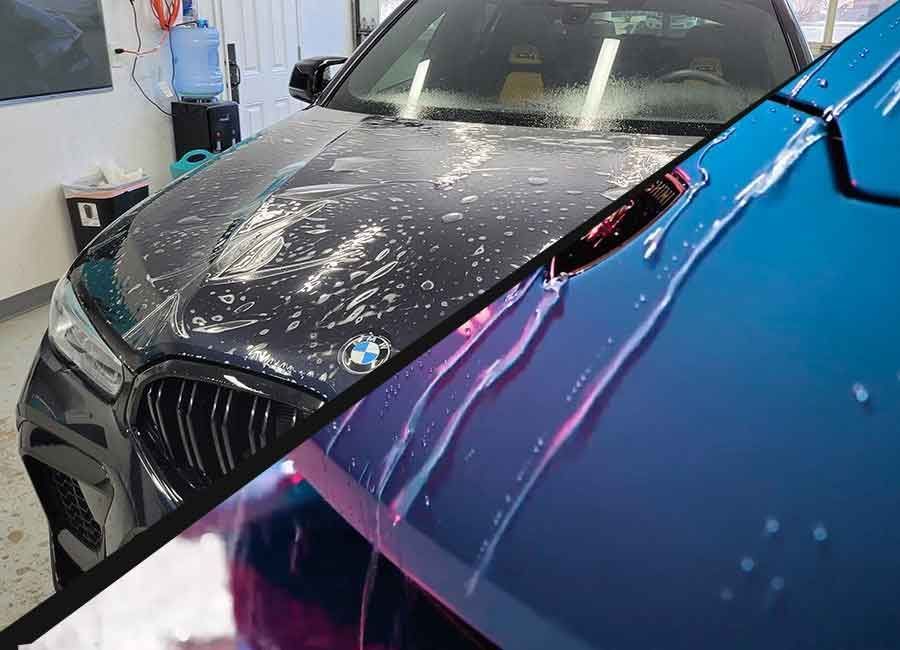
One of the most noticeable benefits of a fully cured ceramic coating is its hydrophobic nature. Water does not spread across the surface but instead beads up into tight spheres and rolls off effortlessly. This effect prevents dirt and grime from settling on the paint, reduces the frequency of washing needed, and makes cleaning easier when it is required. These are the advantages that make respecting the recommended curing timeline so important. Rushing the process or exposing your vehicle prematurely puts all of these benefits at risk.
How to Monitor Curing Progress
Keeping an eye on your coating as it cures allows you to catch issues early and confirm that the protective layer is forming correctly. A straightforward visual inspection under good lighting is one of the most reliable methods. Look for a consistent, even gloss with no cloudy spots or dull patches. As days pass, the surface should become progressively smoother and more uniform, reflecting how well the coating is bonding with the paint.
After about seven days, a simple water test can help gauge how well the coating has developed its water-repelling properties. Sprinkle a few drops of clean water onto the surface. When the coating has cured properly, the water will bead up tightly rather than spreading into a thin film. If water flattens out or soaks in, the coating may need more time, or the application process may need to be reviewed. A touch test offers another option, though it requires care. Gently resting a clean, dry fingertip on the surface can reveal whether it feels firm and glass-like or still slightly soft. A fully cured coating feels hard with virtually no residue left on the finger. Take care not to press too hard or introduce skin oils onto the surface during this check.
Common Curing Errors to Avoid
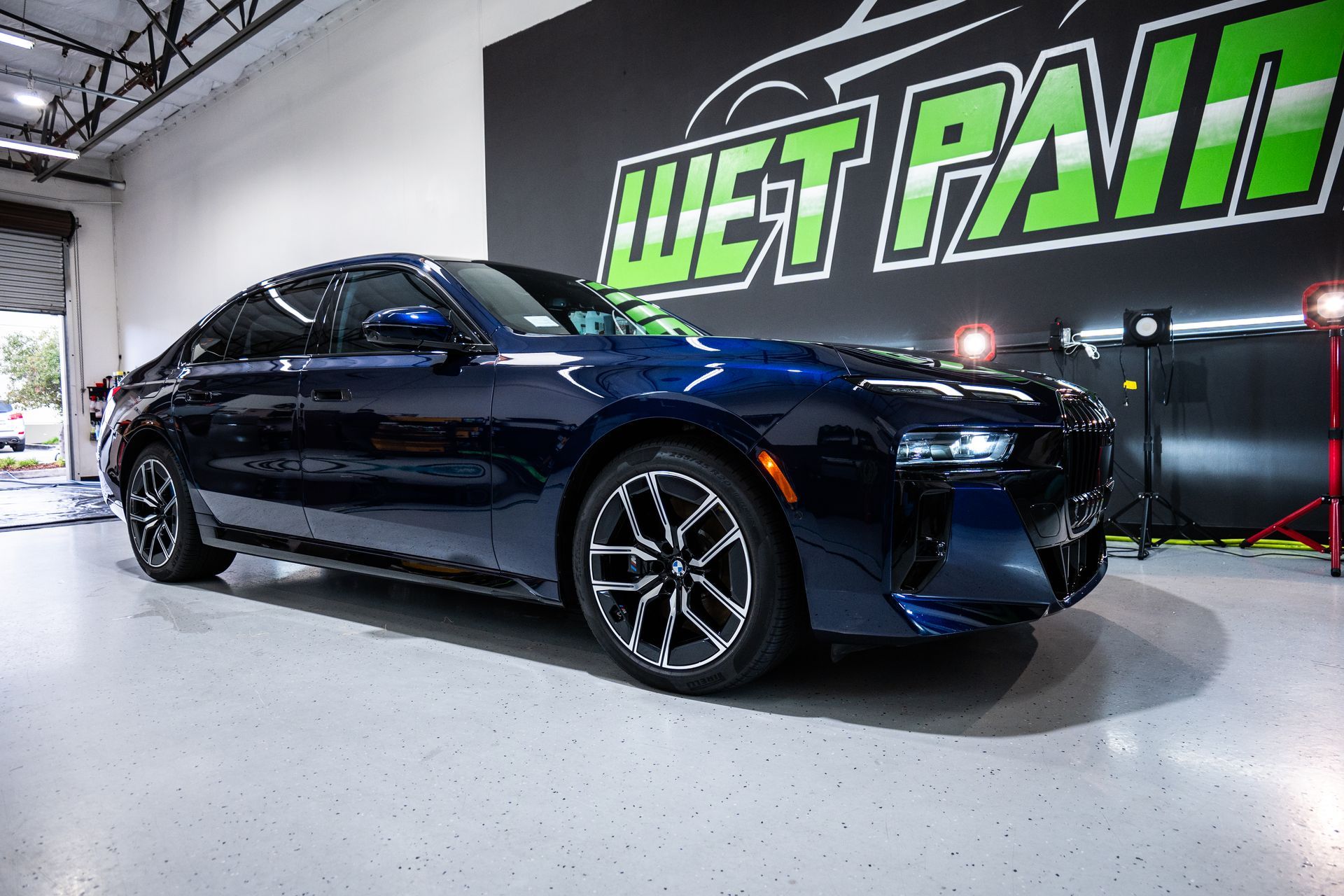
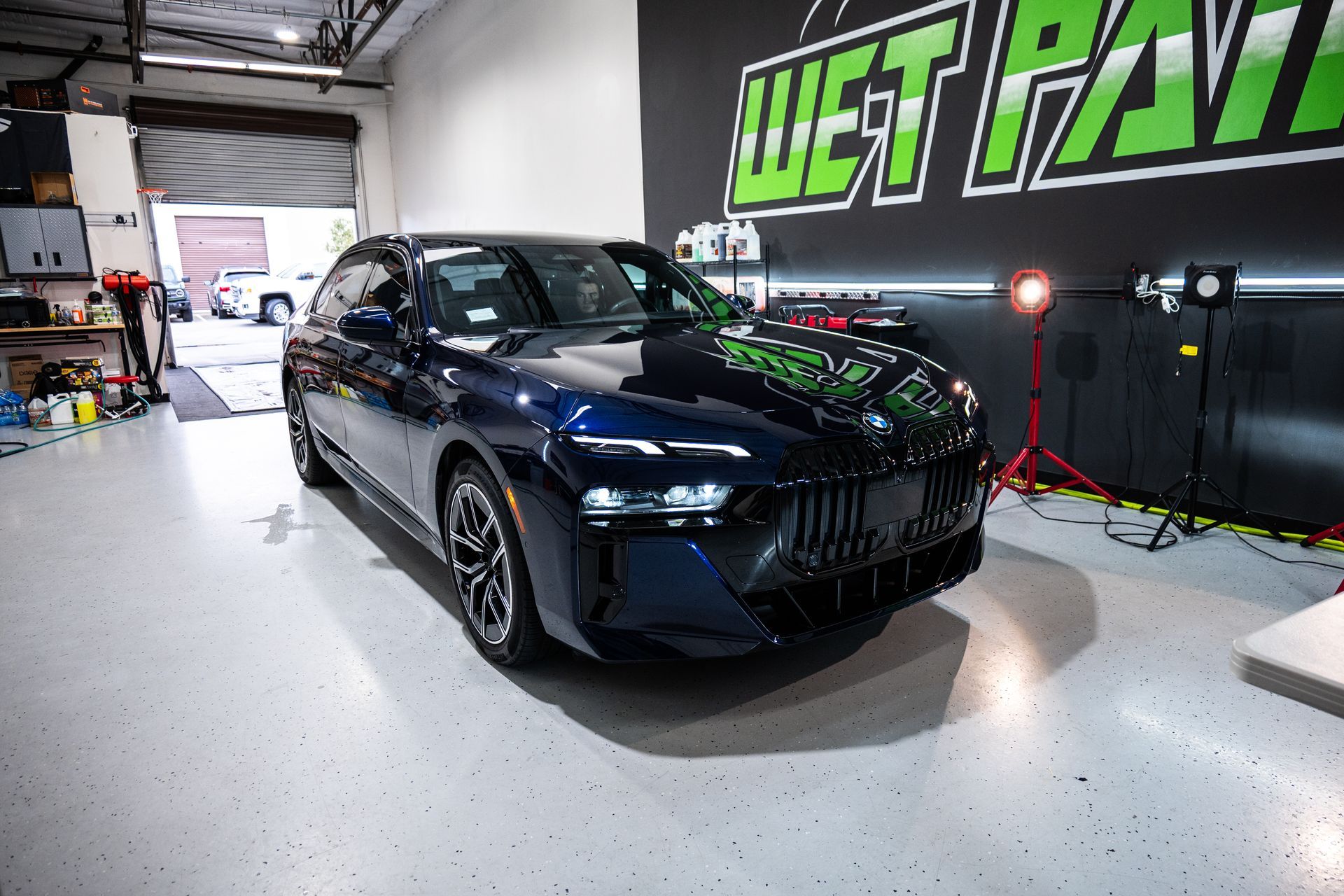
Certain mistakes during the curing process can significantly affect the appearance and protection your ceramic coating provides. Applying or curing a coating when humidity exceeds 70 percent can cause the coating to haze or fail to bond properly with the paint surface, reducing its effectiveness and lifespan. On the other hand, temperatures that are too high cause solvents to evaporate too rapidly, which leads to uneven curing and is difficult to correct afterward.
Professionals generally recommend curing in environments where temperatures remain between 15 and 27 degrees Celsius and relative humidity stays below 50 percent. These conditions promote consistent chemical bonding and ensure full hardness develops as expected. Handling the vehicle during the first 24 to 48 hours also requires discipline. Even natural oils from the skin can interfere with chemical bonding. Washing the car or exposing it to harsh chemicals during this window can disrupt curing entirely, resulting in soft spots or delamination. Applying layers that are too thick, ignoring manufacturer timing recommendations, and working in uncontrolled environments are other mistakes that are easily avoidable with proper planning.
Long-Term Maintenance for Lasting Protection
Maintaining your ceramic coating does not end once it has fully cured. Ongoing care is what ensures it performs as intended for years to come. Using pH-neutral shampoos for regular washing is essential, as acidic or alkaline cleaners gradually break down the protective layer. Washing every two to three weeks strikes a good balance, frequent enough to prevent contaminant buildup without causing unnecessary wear.
Annual inspections are a valuable part of long-term care. These checkups go beyond visual assessment and involve evaluating hydrophobic performance and surface gloss retention, which indicate underlying wear or emerging issues. Applying a maintenance top coat during these checkups can rejuvenate the ceramic bonds and restore water repellency. Avoiding harsh chemicals such as industrial degreasers and using soft microfiber cloths instead of coarse cleaning tools will preserve the nanoscale structure of the coating and extend its lifespan significantly. When cared for properly, a ceramic coating delivers enduring beauty and reliable protection, making it a worthwhile long-term investment for any vehicle owner.
Consistent Ceramic Coating Results in Lincoln, CA
At Wet Paint Auto Detailing, we deliver ceramic coating services in Lincoln, CA with a strong focus on proper curing and controlled application. Our process ensures the coating sets evenly, creating a durable finish that holds its clarity and protective qualities. With careful handling during each phase, your vehicle receives a coating that performs reliably day after day.
Schedule your appointment today to experience a refined and long-lasting finish!