Can Professional PPF Support Long-Term Exterior Paint Stability?
April 15, 2026
If you care about keeping your vehicle looking its best for years to come, you have probably wondered how to protect its paint from scratches, fading, and everyday wear. Paint protection film, or PPF, might sound like just another add-on, but it is a practical and proven way to guard your vehicle against real damage over time. This clear, durable film does more than simply sit on the surface. It acts as a shield that quietly works to preserve your car's color and finish against the elements. In this guide, we break down how professional-grade PPF supports your car's paint stability for the long haul and what makes it a step above other protection options.
The Role of Professional PPF in Vehicle Protection
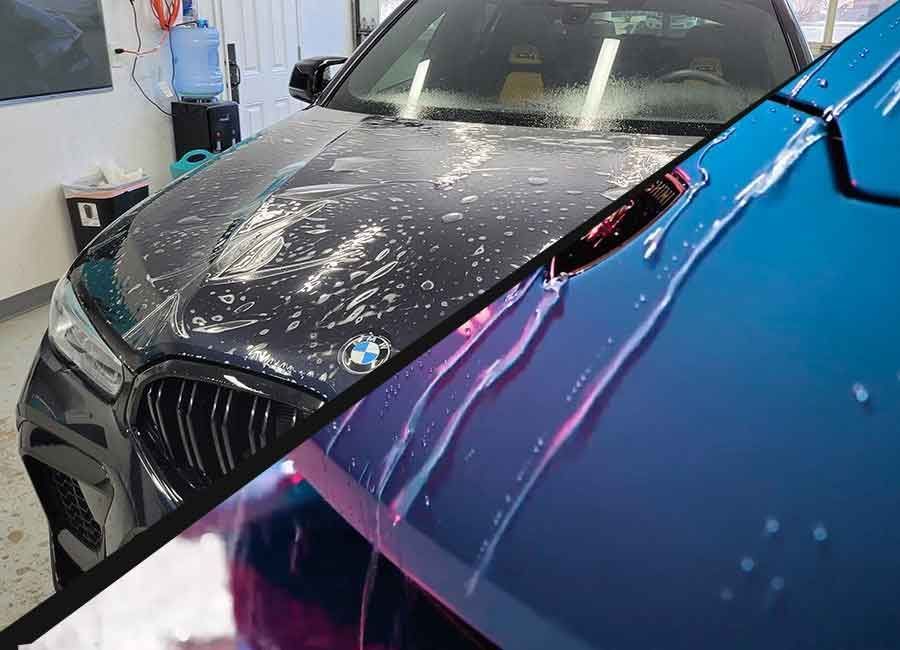
Professional PPF acts as an invisible layer of armor for your car's paint, protecting it from everyday hazards that gradually erode its beauty and value. This film, typically between 6 and 8 mils thick, is engineered from advanced urethane polymers designed to absorb impacts, repel contaminants, and filter damaging UV rays. One of its most impressive qualities is the self-healing property built into the film's surface. Minor scratches disappear after exposure to heat or sunlight as the polymer chains naturally reflow on their own within a matter of hours.
The environment is constantly working against your vehicle's finish. From harsh sunlight causing oxidation and premature fading to microscopic chips inflicted by road debris, every element challenges your car's paint layer. Professional-grade PPF addresses these threats on multiple fronts. High-quality films are capable of blocking a significant portion of UV radiation, dramatically reducing the chemical breakdown of paint pigments that leads to dullness over time. This protection applies not just to the cosmetic appearance of your vehicle but to the structural integrity of the automotive finish as a whole.
The urethane base of PPF is both flexible and durable, absorbing shocks without cracking or peeling. This flexibility reduces the stress placed on underlying paint layers caused by thermal expansion and contraction throughout changing seasons. Unlike traditional waxes or sealants that wear off quickly and require frequent reapplication, PPF forms a long-lasting barrier that preserves gloss and color vibrancy for years when properly maintained. Professional installation also matters significantly here. Trained installers prepare each surface with thorough cleaning and minor repairs before application to prevent issues like bubbling or premature failure. This level of preparation and precision is what distinguishes a quality installation from one that underperforms over time.
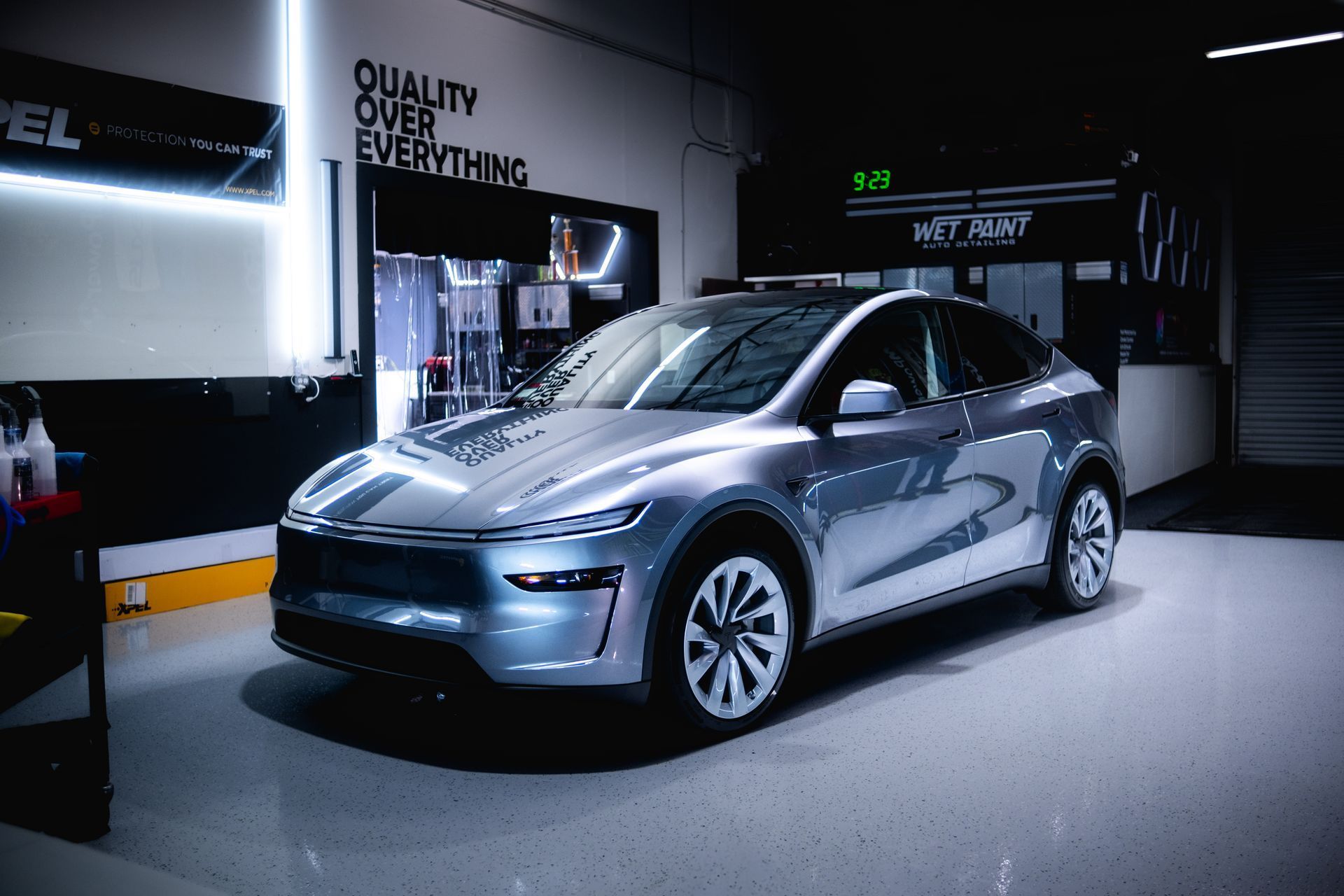
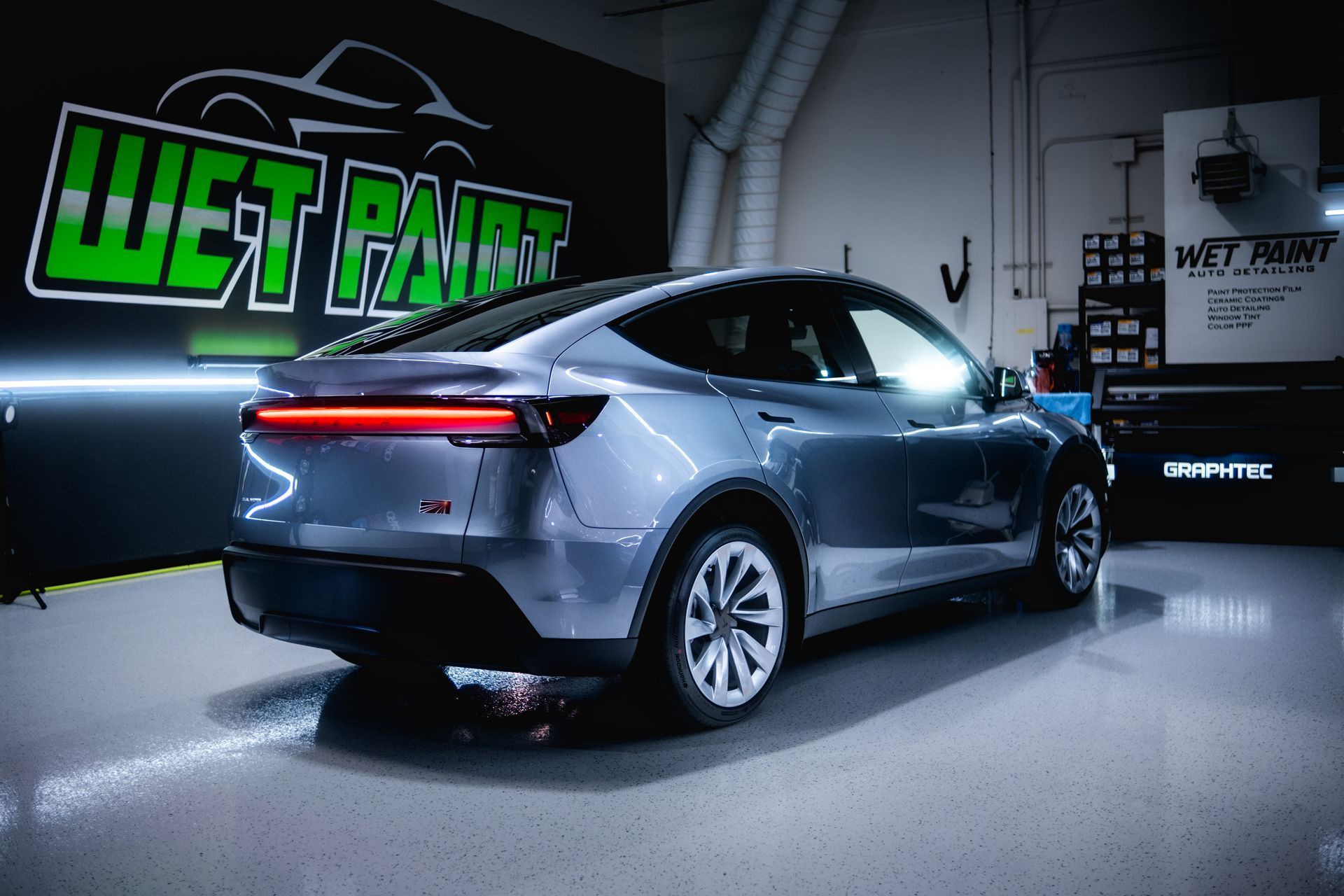
Enhancing Paint Stability with PPF
Paint stability is not solely about fending off scratches. It is fundamentally about preserving the vibrancy and gloss that make a vehicle look freshly detailed years down the road. UV rays, environmental pollutants, and temperature fluctuations all chip away at that stability in ways that often go unnoticed until significant damage has already occurred.
When it comes to color preservation, UV radiation is one of the most aggressive threats to automotive paint. It breaks down pigment molecules in the base coat, leading to fading, discoloration, and a dull, chalky appearance over time. The urethane clear coat layer in PPF contains UV blockers that absorb and reflect sunlight before it can interact directly with the paint beneath. Over time, this means your vehicle retains its original color far longer, which also supports resale value and overall aesthetic appeal. For vehicle owners in the greater Sacramento and Roseville area, where sunny days are plentiful throughout the year, this benefit carries particular weight.
Environmental contaminants present their own set of challenges. Bird droppings, tree sap, road salts, and acid rain chemically interact with paint and accelerate oxidation over time. PPF serves as an invisible barrier that absorbs these contaminants before they reach the paint surface. Additionally, vehicles exposed to significant temperature swings undergo repeated expansion and contraction cycles within their paint layers. Over time, this stress can lead to fine cracking or crazing in the clear coat. The thermoplastic polyurethane base layer in PPF moderates these temperature changes by providing flexibility and shock absorption, helping maintain paint integrity through those cyclic stresses.
Maintenance Tips for Longevity
Proper maintenance plays a key role in getting the most out of your PPF investment. Using pH-neutral cleaners designed for coated surfaces helps avoid breaking down the film's protective layers, and washing regularly but gently with microfiber cloths prevents the micro-abrasions that can dull the film over time. Applying a ceramic coating over PPF adds an additional layer of chemical resistance and water repellency. Parking in shaded or covered areas whenever possible helps reduce cumulative UV exposure, and scheduling a professional inspection around the five-year mark allows for early detection of any signs of film degradation, such as yellowing or edge lifting. When properly maintained throughout its lifetime, which typically spans seven to ten years, PPF functions as a long-term partner in preserving your vehicle's finish with consistent effectiveness.
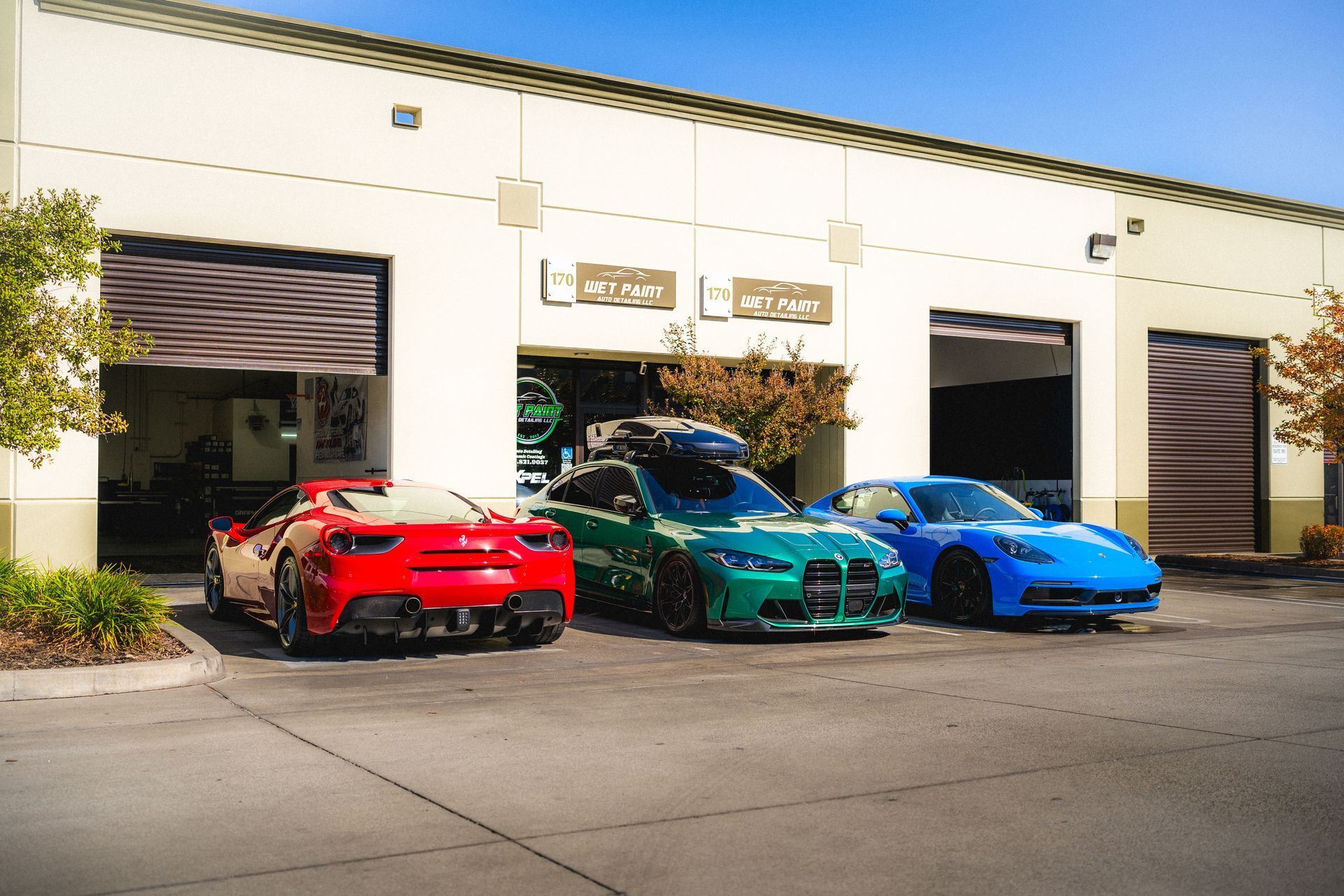
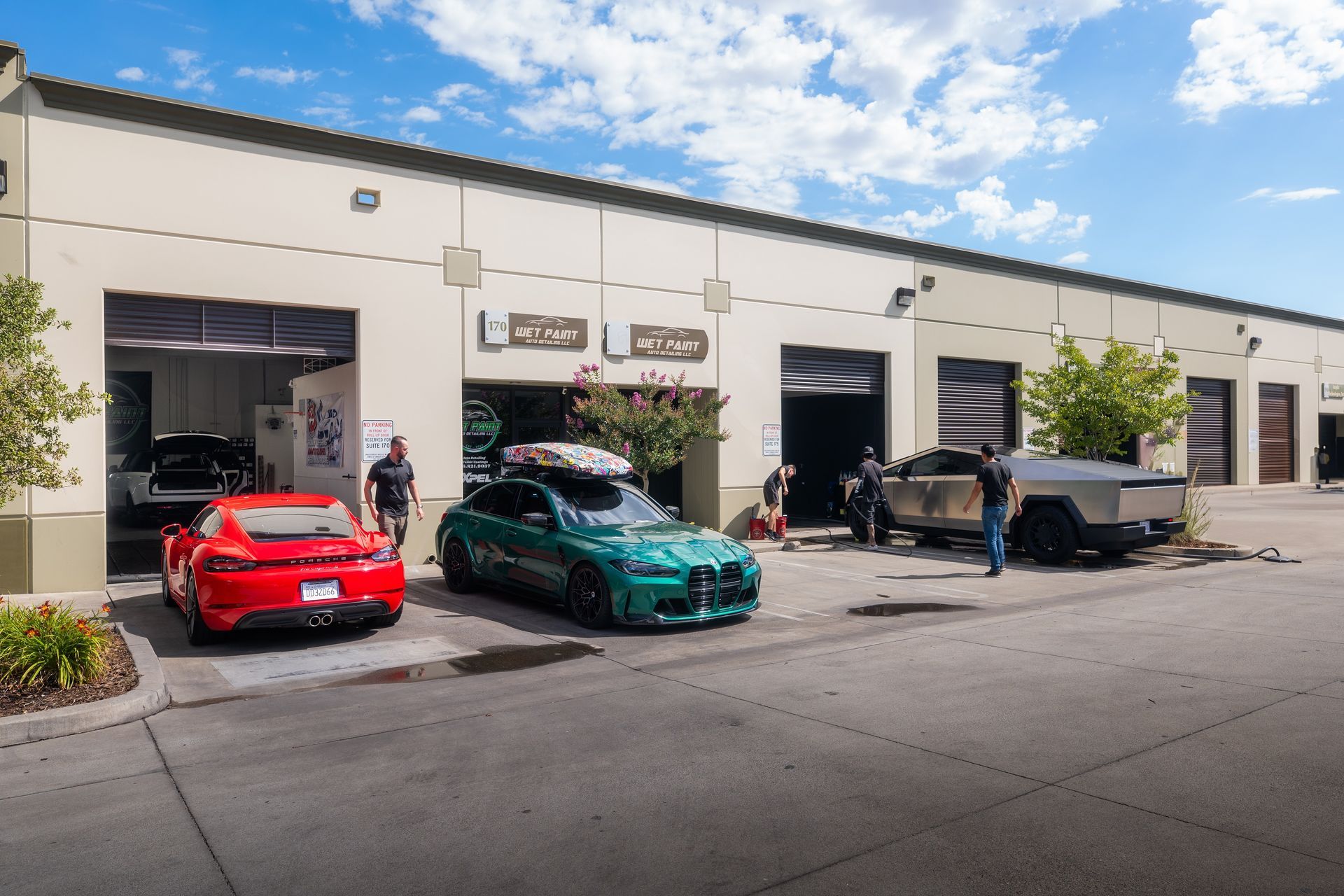
The Importance of Quality Installation
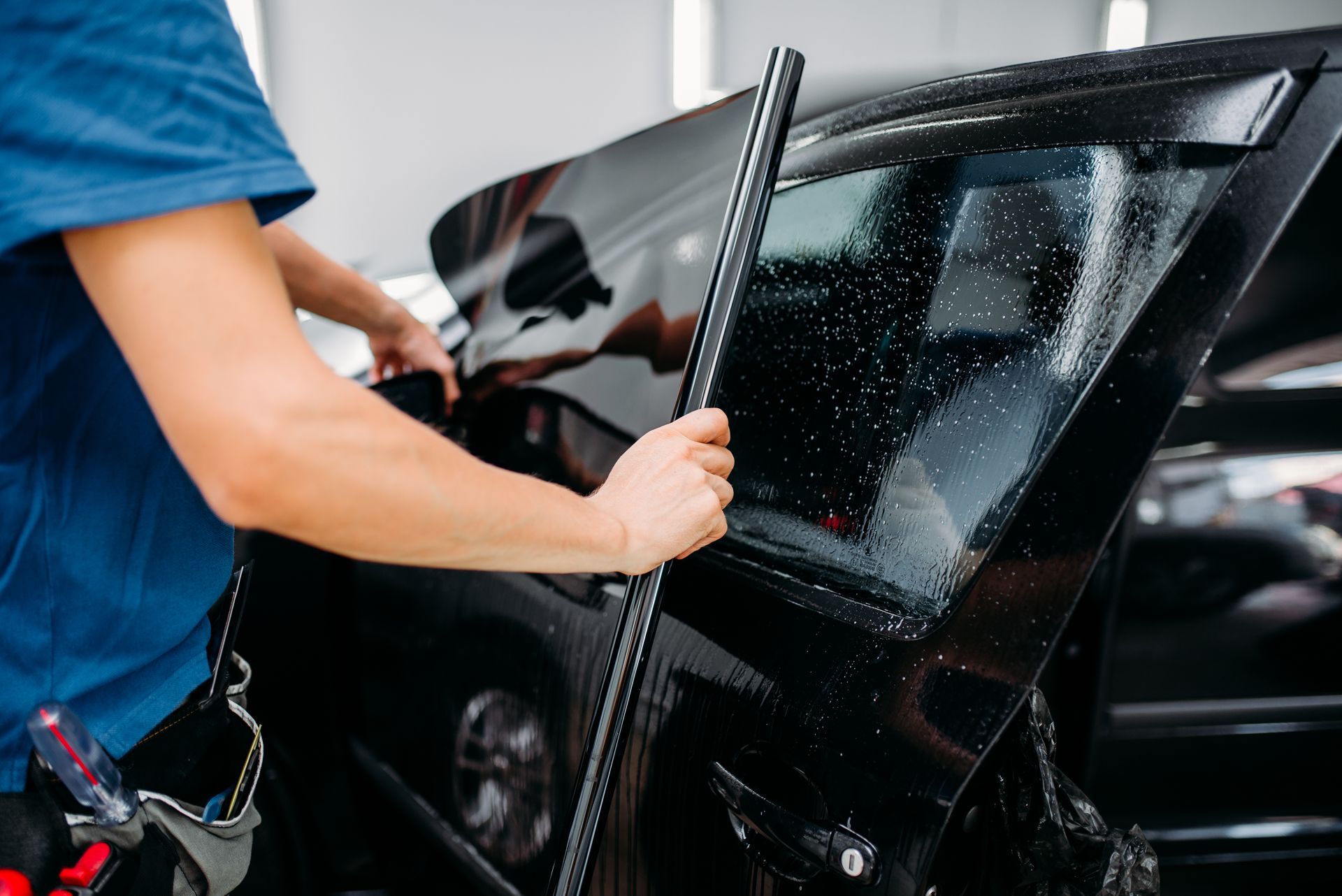
Even the most advanced paint protection film will not reach its full potential without a quality installation behind it. This is not simply a matter of applying a sheet to a car's surface. Installation requires precision, patience, and hands-on knowledge of how the film behaves across different panel shapes and contours. Trained installers ensure the PPF lays perfectly smooth and adheres firmly to every curve of the vehicle. Without proper technique, issues like bubbling, peeling, or edge lifting can develop over time, compromising both the appearance and protective function of the film.
What separates a professional installation from a less careful approach is the attention given to surface preparation. The vehicle's paint must be thoroughly cleaned and any existing imperfections addressed before the film is applied. Installers carefully measure and cut the film to fit specific panels, avoiding unnecessary stretching or folds that can strain the film's elasticity. As they apply the urethane-based film using controlled heat and pressure, they work to eliminate any trapped air pockets that cause bubbles or wrinkles. This process takes time and training to execute correctly.
A large portion of reported PPF failures are tied not to the film material itself but to installation issues. When film edges are not sealed correctly or moisture becomes trapped beneath the surface, delamination can occur, turning what should be an invisible layer of protection into a visible problem that can invite damage rather than prevent it. Professionally installed films demonstrate far fewer defects and retain their clarity considerably longer, often maintaining strong performance well beyond the five-year mark when routine maintenance is followed. Choosing certified professionals also typically includes warranty coverage that protects against premature failure caused by installation errors, giving vehicle owners added confidence in their investment from day one.
Choosing the Right Paint Protection Solution
Selecting the right paint protection comes down to how and where you use your vehicle. If your daily driving involves highways and roads prone to road debris, the durability and impact resistance of PPF provide strong physical defense against chips and scratches. If your vehicle primarily sees city streets with minimal risk of physical impact, a high-quality ceramic coating may be sufficient to maintain gloss and repel contaminants.
Environmental factors also play a role. The Sacramento area delivers long stretches of intense sun exposure, and UV protection is a meaningful consideration for any vehicle spending significant time outdoors. Maintenance preferences matter as well. PPF's self-healing topcoat reduces the need for frequent polishing or touch-ups, which is a practical advantage for owners who prefer a lower-maintenance routine. Both PPF and ceramic coatings perform best with regular, gentle cleaning habits.
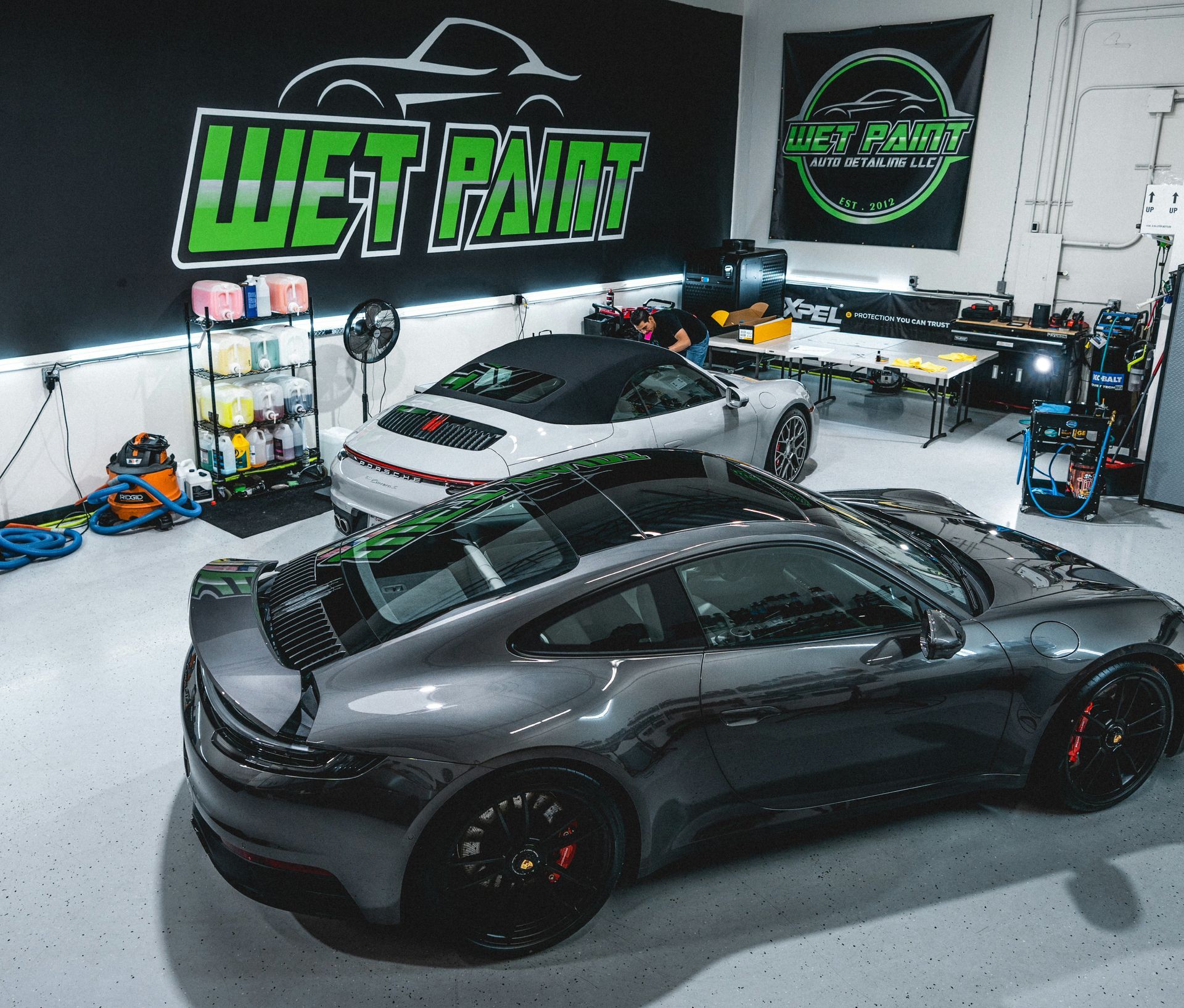
Consulting with a trained professional before making a decision leads to a more personalized approach. A knowledgeable installer can evaluate your vehicle's current paint condition, your driving habits, and your local environment to recommend a protection strategy that fits your goals and your budget. At Wet Paint Auto Detailing, our team has been serving Sacramento, CA and the surrounding communities since 2012, offering professional PPF installation tailored to each individual vehicle and owner. If you are ready to take a proactive approach to protecting your vehicle's finish, we are here to help.
Contact us today!