PPF Benefits: How It Protects Frequently Exposed Car Panels From Scratches
January 6, 2026
When it comes to keeping your car looking new, scratches and chips on the paint are a constant worry. Daily driving exposes your vehicle to small road hazards like flying gravel and insect residue that can affect its finish. Paint protection film provides a practical way to guard against this constant exposure. This clear, sturdy layer guards the most vulnerable parts of your car, saving you from frequent repairs and preserving that freshly detailed look longer than you'd expect. Let's explore how PPF works and why it's worth considering for protecting your ride's finish. Paint protection film acts as a durable, transparent barrier that safeguards frequently exposed car panels like the front bumper, hood, and side mirrors from rock chips, scratches, and environmental contaminants. Its self-healing properties allow minor surface damage to repair itself, maintaining the vehicle's appearance while preserving its paint quality against everyday wear and tear.
The Role of Paint Protection Film
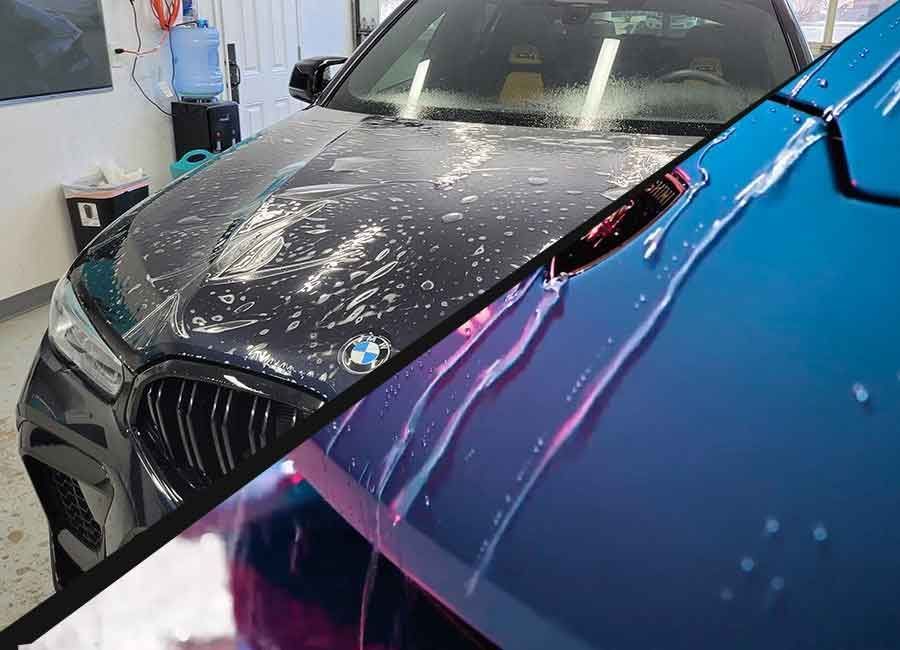
Paint protection film acts like an invisible armor for your car's paint. It is a thin, transparent layer applied over the vehicle's surface that absorbs the daily wear and tear most vehicles face on the road. Think of it as a shield that guards against rock chips, scratches, bug splatters, and even corrosive elements like salt or tree sap, threats that can quickly dull or damage your finish. Unlike wax or ceramic coatings, which offer some resistance, PPF physically stops many small impacts before they reach your paint. Higher-grade PPF features self-healing properties, meaning minor surface scratches can disappear when exposed to warmth, either from sunlight or a gentle heat source, restoring that brand-new look without extra effort. This remarkable ability is what sets premium films apart, prolonging their flawless appearance without constant touch-ups.
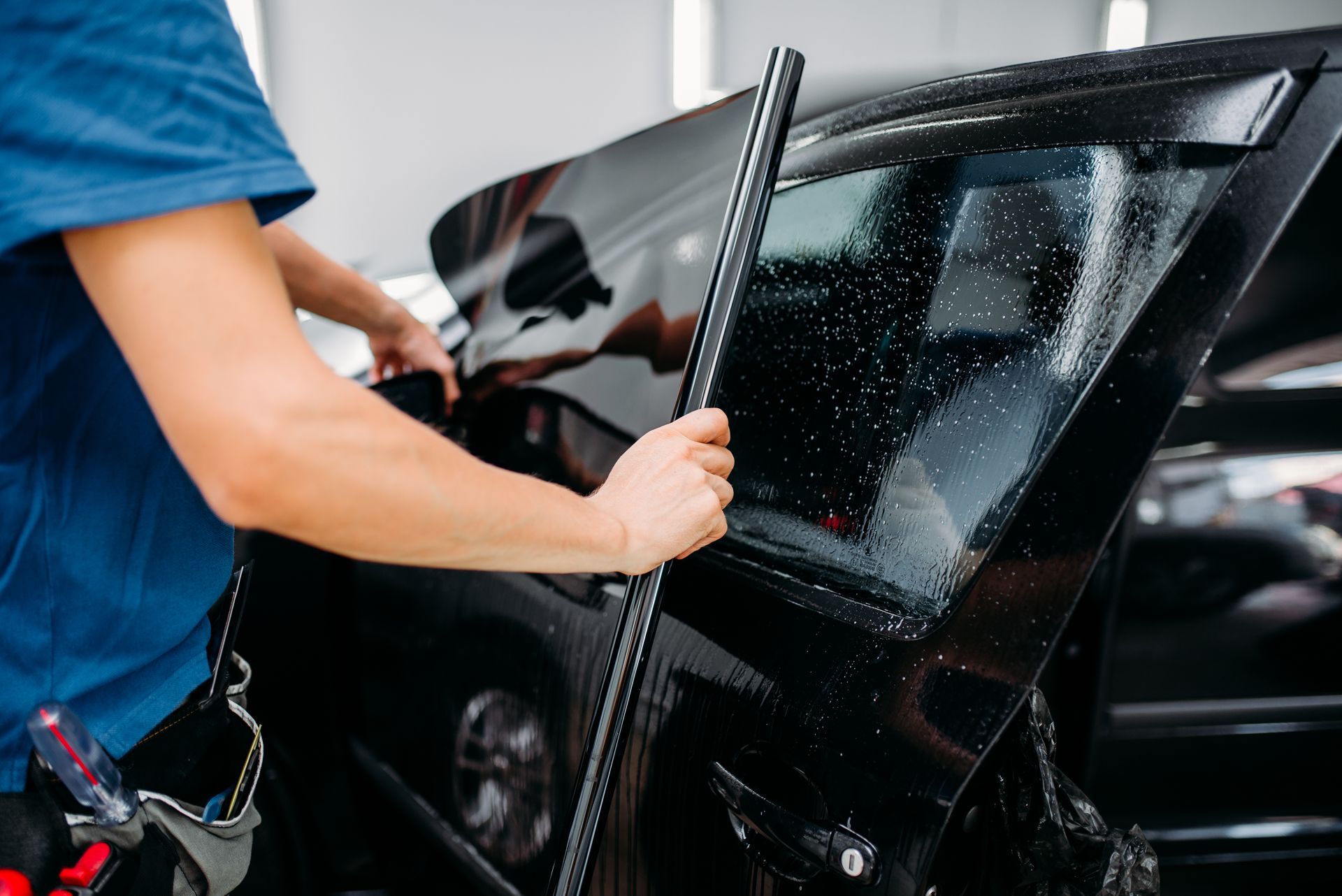
Another important aspect is durability. Most PPFs range in thickness between 6 and 8 mils, about 3 to 5 times thicker than your car's clear coat, providing significant resistance against abrasion and impact. High-quality films are designed not just to protect but also to remain nearly invisible with finishes ranging from ultra-glossy to satin, preserving the original color and texture of your paintwork. Because cars receive concentrated exposure in vulnerable areas like the front bumper or side mirrors where debris commonly strikes, the application of PPF specifically targets these zones to prevent costly paint damage. By applying film only where it's most needed, owners balance cost and protection effectively. Professional installation plays a crucial role in maximizing PPF's effectiveness. A carefully applied film ensures edges are seamless so dirt doesn't accumulate where the film ends, preventing unsightly lines or premature peeling. Installation flaws can otherwise compromise protection and even damage underlying paint during removal. Paint protection film extends the life of your vehicle's exterior by safeguarding its most exposed areas against daily hazards. This transparent armor offers peace of mind alongside beauty, a practical solution marrying high-tech material science with everyday driving needs.
Vulnerable Car Panels
Not every part of your car faces the same level of risk. Some panels are more exposed to road hazards due to their position on the vehicle. These spots demand protection most urgently if you want to keep your paint looking fresh. The front bumper is particularly vulnerable to damage. This panel acts like a magnet for rock chips, grit, and insect splatter. Driving down highways or even suburban roads, the bumper often collects a significant portion of minor paint damage incidents. That's no surprise given its forward position; it takes hits that can quickly turn into unsightly and costly blemishes. Adjacent panels such as the hood and fenders aren't spared either. These surfaces face persistent challenges from gravel kicked up by other vehicles. If you've ever paused to examine your hood after a long trip, you might notice tiny chips or faint scratches, a silent testament to the daily wear endured. Side view mirrors surprisingly accumulate significant scratches too. Squeezing your car into a tight parking spot and brushing against bushes or another driver's door can leave marks that catch the light immediately.
Beyond aesthetics, these damages represent safety concerns by impairing mirror function or visibility. Then there's the area behind the rear wheels. It sounds odd, but this spot suffers greatly from exposure to mud, tar, salt, and snow buildup, which leaves stubborn stains that can mar the finish and accelerate corrosion. Cleaning sprays and detergents often struggle with this area, making PPF's protective barrier even more valuable. Finally, consider the rocker panels along the lower sides of your vehicle near your feet. These panels catch scuffs from road debris kicked up by tires and accidental scrapes from shoes or curbs during entry and exit. Because their location makes them less visible during regular washes and often neglected, they become prime targets for dirt accumulation and paint damage. Understanding these vulnerable zones informs smart placement of PPF. Prioritizing high-impact areas with thicker, self-healing film ensures your vehicle stays pristine without covering unnecessary regions. Mapping out these hotspots helps your installer design a PPF wrap that defends your vehicle intelligently and without breaking the bank on unnecessary coverage.
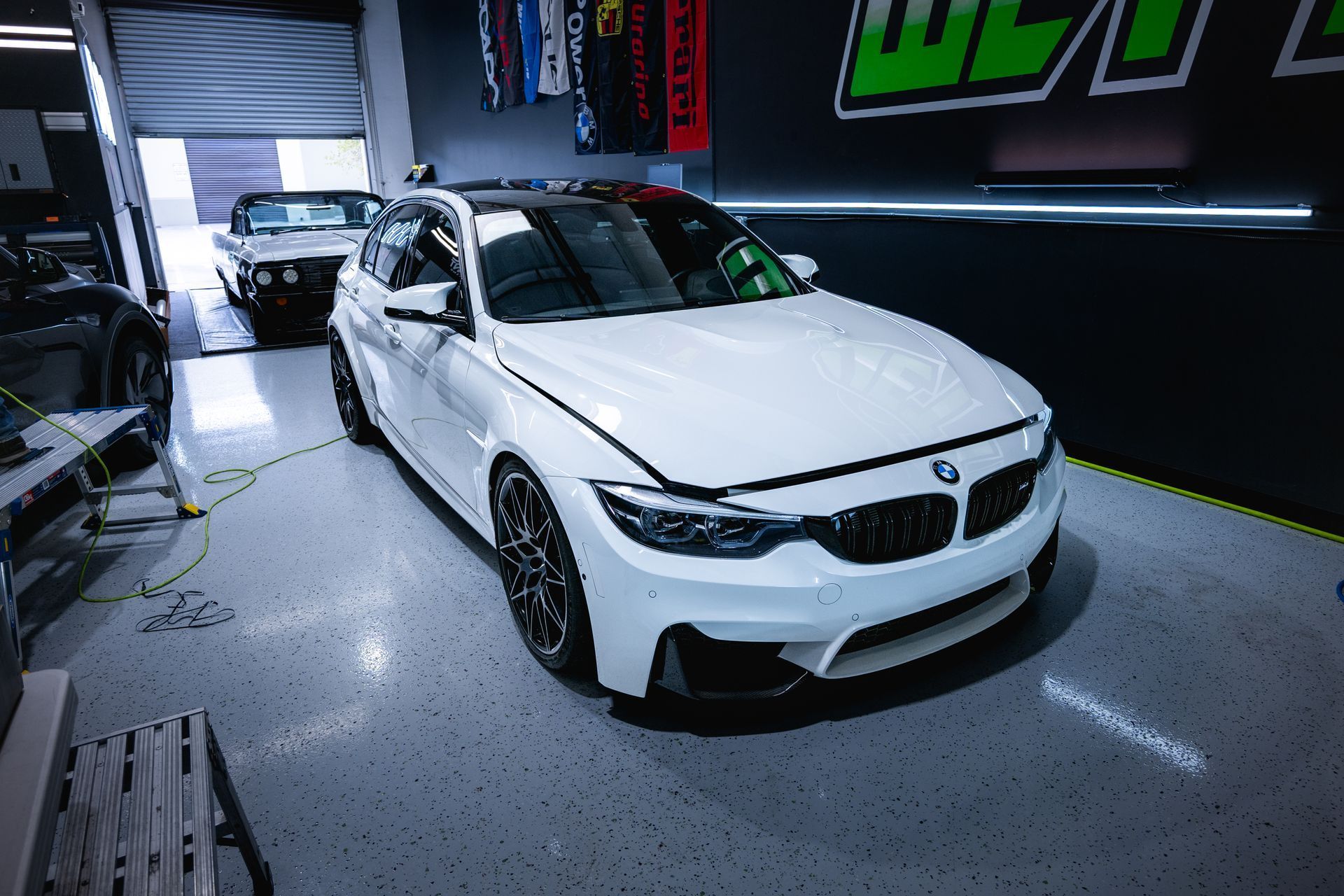
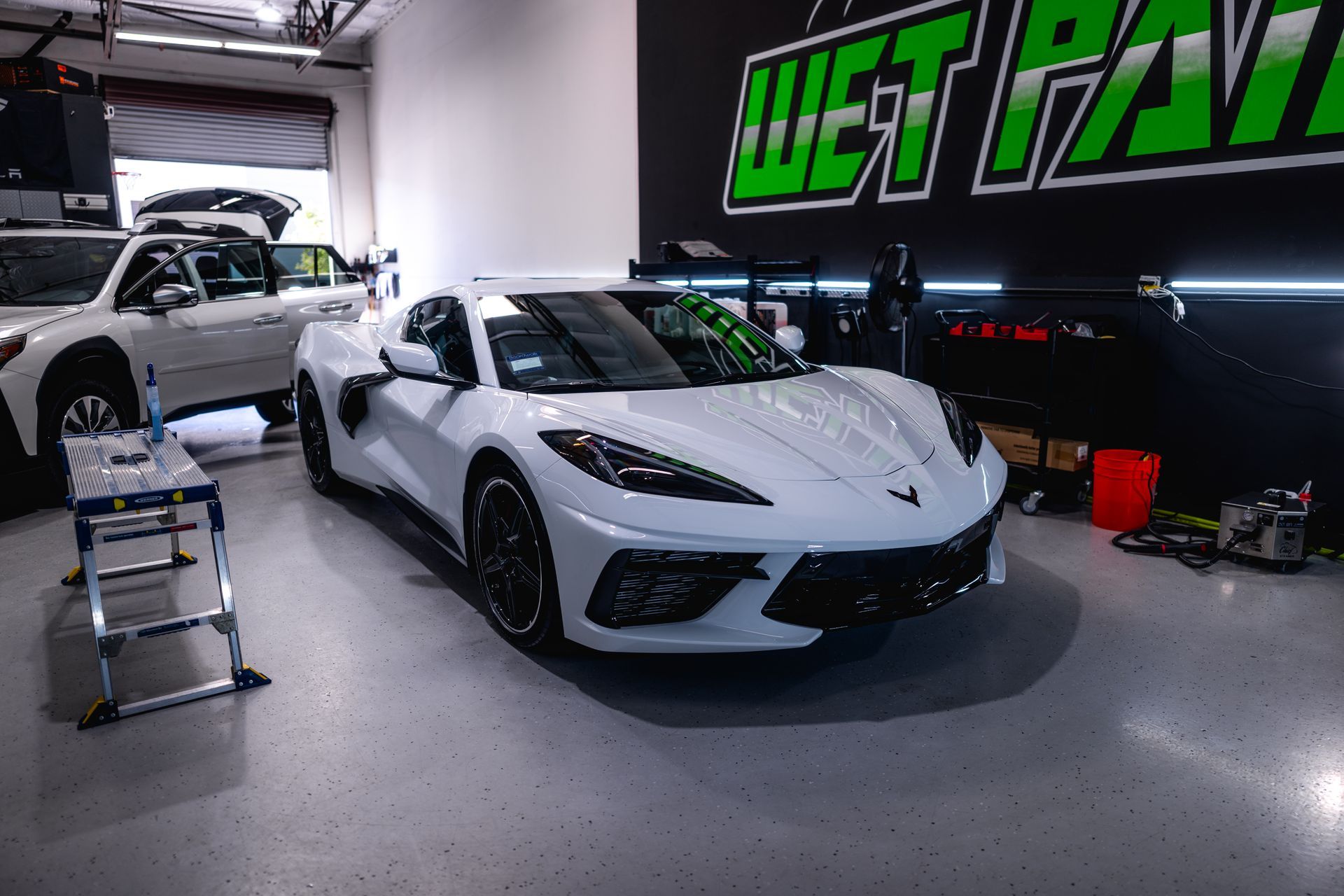
Mechanisms of PPF Protection
One of the truly remarkable aspects of premium paint protection films is their self-healing capability. When scratches or light scuffs appear, gentle heat exposure from warm sunlight during a summer afternoon or a quick pass with a heat gun causes the polymer's molecular structure to bounce back, effectively erasing surface blemishes. It's almost as if the film has a built-in memory that helps it heal itself. This self-healing doesn't mean the film can fix every imperfection, but for everyday wear and tear like small abrasions from road debris or parking lot mishaps, it keeps your paint looking pristine. The beauty lies in its ongoing, passive protection: you don't have to do much except occasionally apply some heat or simply let the sun do its work. To appreciate why PPF is so effective, it helps to understand that it's not just a simple piece of plastic slapped onto your car. Instead, paint protection film is carefully engineered with multiple layers, each serving an essential function. At the very top is the clear coat layer, which gives your vehicle that high-gloss shine or smooth satin finish you admire.
It also acts as the initial shield against ultraviolet rays, preventing your paint from fading over time. Beneath that lies the adhesive layer, critical because it binds the film firmly to your car's surface without causing any damage once professionally removed. Unlike generic tapes or poorly designed films that might peel paint off when taken away, quality PPF uses an advanced adhesive that balances strong grip with delicate removal. This adhesive prevents contaminants like dirt, salt, and chemicals from sneaking underneath while allowing minute flexibility as your vehicle expands or contracts with temperature changes. The base film itself provides structural support and toughness. It's engineered with tensile strength and elasticity sufficient to stretch without tearing. Such properties enable it to absorb impacts from flying gravel, insect strikes, and other common hazards encountered during daily driving. By combining these layers into one composite film, manufacturers create a material tough enough to guard against scratches but flexible enough to fit complex curves on your car's contours.
UV and Environmental Protection
One of the standout features of high-quality paint protection film is its robust protection against ultraviolet radiation. The film contains a specially formulated topcoat that blocks the majority of the sun's harmful UV rays. This means the paint underneath stays vibrant for years, avoiding that dull, faded look so common on cars left parked under the blazing sun day after day. Continuous exposure to sunlight doesn't just lighten paint; it erodes the chemical bonds in the clear coat, causing oxidation and brittleness. PPF offers an invisible shield against this process, preserving not only color but also the structural integrity of your car's finish. In places where intense sun can feel relentless, this feature alone can justify the investment. This UV defense isn't simply a passive barrier; it actively slows down the natural aging of your vehicle's paint. This extends how long your car looks showroom-fresh before needing costly touch-ups or repainting. The self-healing properties found in premium films complement this by repairing minor surface wear without human intervention, creating a consistent protective environment around your paintwork.
Alongside UV protection, PPF's slick surface does remarkable work repelling various forms of road debris. Dust, dirt, insect residue, and tiny particles that would otherwise cling stubbornly to unprotected paint tend to slide right off this coating or at least rest lightly on top with less grip. This hydrophobic quality makes washing less frequent and far simpler, especially through muddy spells or in snowy climates where road grime becomes a persistent nuisance. For drivers who spend plenty of time on highways or rural roads scattered with gravel and grit, PPF acts almost like self-cleaning armor. Maintaining a vehicle in these conditions usually involves laborious scrubbing and repeated washes to erase scratches caused by accumulated debris rubbing against paint during cleaning itself. PPF mitigates the problem by reducing abrasion; road particles stay at bay rather than embedding into soft clear coats or scratch-sensitive finishes. Cleaner surfaces mean less elbow grease and lower risk for swirl marks often introduced by aggressive washing techniques. PPF protects your car from two relentless enemies: sunlight's slow but certain fading effects and the daily assault of invisible dirt and debris.
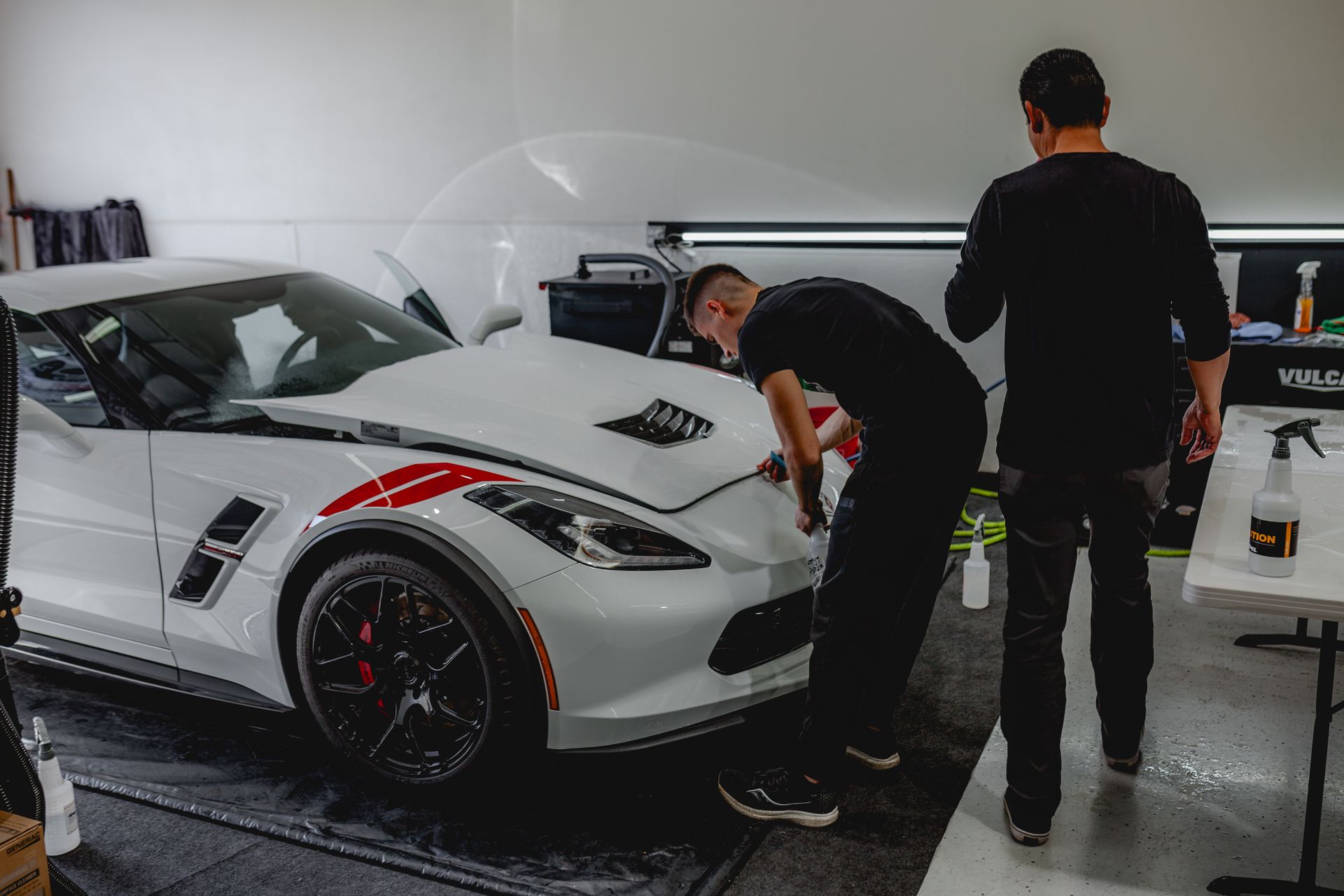
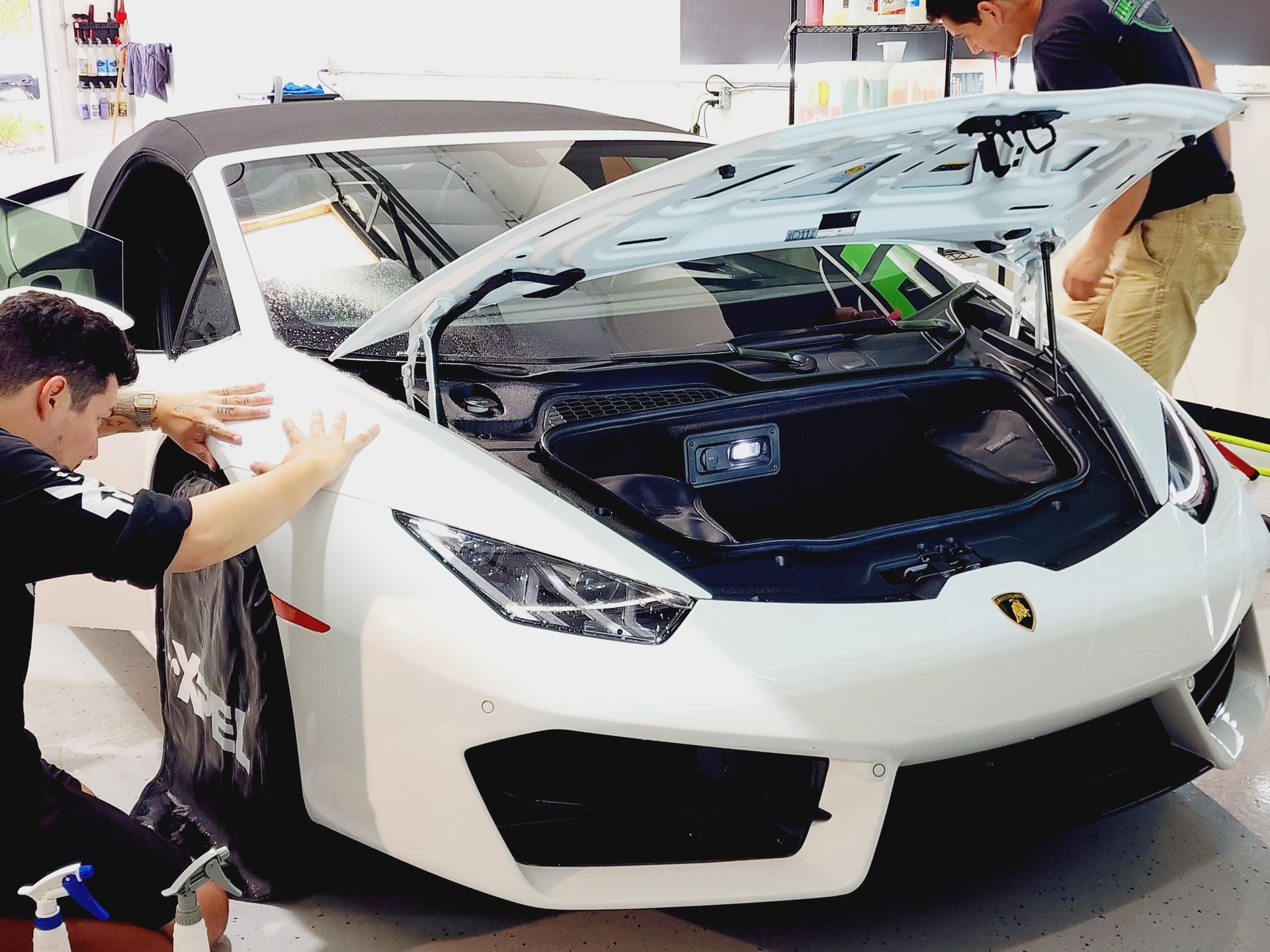
Cost and Maintenance Considerations
The initial cost of paint protection film can seem significant. Partial front-end coverage typically ranges from modest amounts for basic protection, while full front coverage or complete vehicle wraps represent larger investments. These numbers might seem intimidating at first glance. Yet when you put them side by side with the costs of repairing paint damage, the investment begins to look less daunting. What PPF offers is a form of invisible insurance against frequent hazards like rock chips or environmental wear that chip away at a vehicle's appearance over time. Maintaining this protective film is simpler than many imagine, but it does require routine care. Regular cleaning with gentle soap and water keeps the film clear and vibrant; abrasive materials or harsh chemicals can dull or degrade the film's surface prematurely. Dedicating just a few minutes during regular car washes to gently clean the PPF helps maintain its protective properties.
Beyond cleaning, proactive inspections play a crucial role in preserving the film's effectiveness over the years. Scheduling an annual inspection allows you to catch minor issues like small tears or lifting edges before they escalate into costly repairs. Since PPF works by shielding your paint underneath, any breach in the film leaves that spot exposed, and combating damage early keeps your investment intact. Proper upkeep doesn't just keep your car looking pristine; it maximizes how long your PPF lasts as a shield. Films with self-healing topcoats help minor scratches vanish with gentle heat, a feature worth preserving through careful maintenance routines. So whether you opt for partial coverage focusing on vulnerable front panels or comprehensive protection for every painted surface, treating your PPF with care ensures you fully reap its benefits: long-lasting defense against scratches, fading, and environmental damage. Investing in paint protection film is not just about shielding your car today but preserving its beauty and value for years ahead.
PPF Built for Auburn, CA Driving
Protect the parts of your vehicle that take the most abuse with
professional paint protection film from Wet Paint Auto Detailing in Auburn, CA. Our PPF services are designed to shield high-impact areas like bumpers, hoods, mirrors, and rocker panels from everyday road hazards while keeping your paint finish clear and clean-looking. With precise installation and premium film options, your vehicle stays protected without changing its appearance.
Schedule your paint protection film service with Wet Paint Auto Detailing and enjoy confident driving knowing your car’s most exposed panels are covered!