Ceramic Coating vs. Wax: Which One Holds Up Better for Car Protection?
January 13, 2026
When it comes to keeping your car looking sharp and protected, choosing the right product can be surprisingly tricky. You might think waxing is enough because it gives that satisfying glossy shine, but ceramic coatings are becoming a popular alternative for people wanting longer-lasting defense without constant reapplication. After exploring how both work, their pros and cons, and what users say, you'll get a clear picture of which option suits your car and your routine best. Ceramic coatings hold up significantly better than wax, typically lasting 2 to 4 years with proper application and maintenance compared to wax, which generally lasts only a few weeks before needing reapplication. While wax provides a deeper gloss, ceramic coatings offer superior durability, chemical resistance, UV protection, and hydrophobic properties that protect your vehicle's paint over the long term.
Understanding the Basics
Ceramic coating is a relatively new innovation that forms a strong chemical bond with your car's paint, creating a layer that can last anywhere from two to five years when properly applied and maintained. This protective film isn't just about shine; it offers superior resistance against UV rays, chemical contaminants, and other environmental factors. Because of its advanced hydrophobic nature, water beads and slides off the surface more easily, taking dirt and grime along with it. This means your car not only looks cleaner longer but is also easier to wash.
In contrast, wax, often made with natural carnauba or synthetic blends, acts as a sacrificial layer that shields paint for a much shorter period, typically a few weeks to a couple of months, before it wears off. While waxes deliver a deep, warm gloss that many enthusiasts find irreplaceable, their protection isn't as resilient against environmental factors like bird droppings or acid rain. Wax tends to attract dust more readily due to its stickiness, which can make frequent reapplication necessary to keep that coveted shine intact. What often gets overlooked is how these differences translate into real-world use.
Ceramic coatings require thorough preparation, including paint correction to remove imperfections before application, a process that can take several hours or even days depending on the condition of the vehicle. It's generally recommended to have professionals handle the application because improper curing can lead to uneven results. Conversely, waxing is straightforward enough for DIY enthusiasts, even beginners, to apply quickly at home without special tools. Though it demands more frequent maintenance, waxing can be gratifying for those who enjoy hands-on care and want immediate visual feedback in the form of gloss and depth.
Protection Against the Elements
Every car owner knows that daily exposure to natural elements threatens a vehicle's paint. Among these threats, UV radiation is particularly harmful. The sun emits ultraviolet rays that gradually break down the chemical bonds in automotive paint, causing colors to fade and surfaces to oxidize. Over time, this oxidation dulls the finish, leaving what once gleamed as a flat, lifeless surface. Ceramic coatings come with built-in UV blockers designed specifically to fend off these rays, preserving that fresh-from-the-showroom look far longer than traditional wax can manage. Wax, while beautiful in its own right, doesn't provide this defense; its softer layer lets UV rays slip through, meaning oxidation slowly chips away at your paint's vibrancy.
Beyond sun damage, water and environmental contaminants pose another challenge. When rain hits a freshly coated ceramic surface, it beads up and rolls off impressively. This hydrophobic effect actively prevents water from clinging to the paintwork long enough to cause stains or mineral deposits. In contrast, a waxed surface may allow water droplets to spread out more thinly, sometimes resulting in those pesky water spots if left unaddressed. Bird droppings and tree sap are no less unforgiving. Ceramic coatings create a hard, chemical-resistant barrier that makes removing these acidic offenders much easier and reduces the risk of etching the paint beneath. Wax layers tend to be softer and more absorbent by comparison, making them less capable of shielding your car effectively against these attacks.
Durability and Longevity
Durability directly affects your time, effort, and wallet. When you invest in car protection, you want a shield that lasts, not one that demands constant attention. Ceramic coatings stand out because their protective layer bonds chemically with the paint. This means a single application can last anywhere from two to five years, depending on the quality and how well it's maintained. In contrast, wax offers a more temporary solution. It creates a barrier sitting on top of the paint, which wears off after just a few months. Most wax products require reapplication every two or three months to keep your car looking its best and shielded properly. Imagine spending a weekend every few months waxing versus applying a ceramic coating once every few years. The longer-lasting protection means you spend less time worrying about upkeep, freeing you for other things.
Many drivers with ceramic-coated vehicles experience significantly fewer touch-ups and cleaning sessions compared to those relying on traditional wax. Ceramic coatings resist many common paint threats better because of their chemical bonding and hardness. Over time, UV rays, acid rain, and bird droppings tend to break down waxes faster than ceramics. In practical terms, this means ceramic-coated paint stays glossier and stronger even after enduring daily environmental assaults for years.
Application Considerations
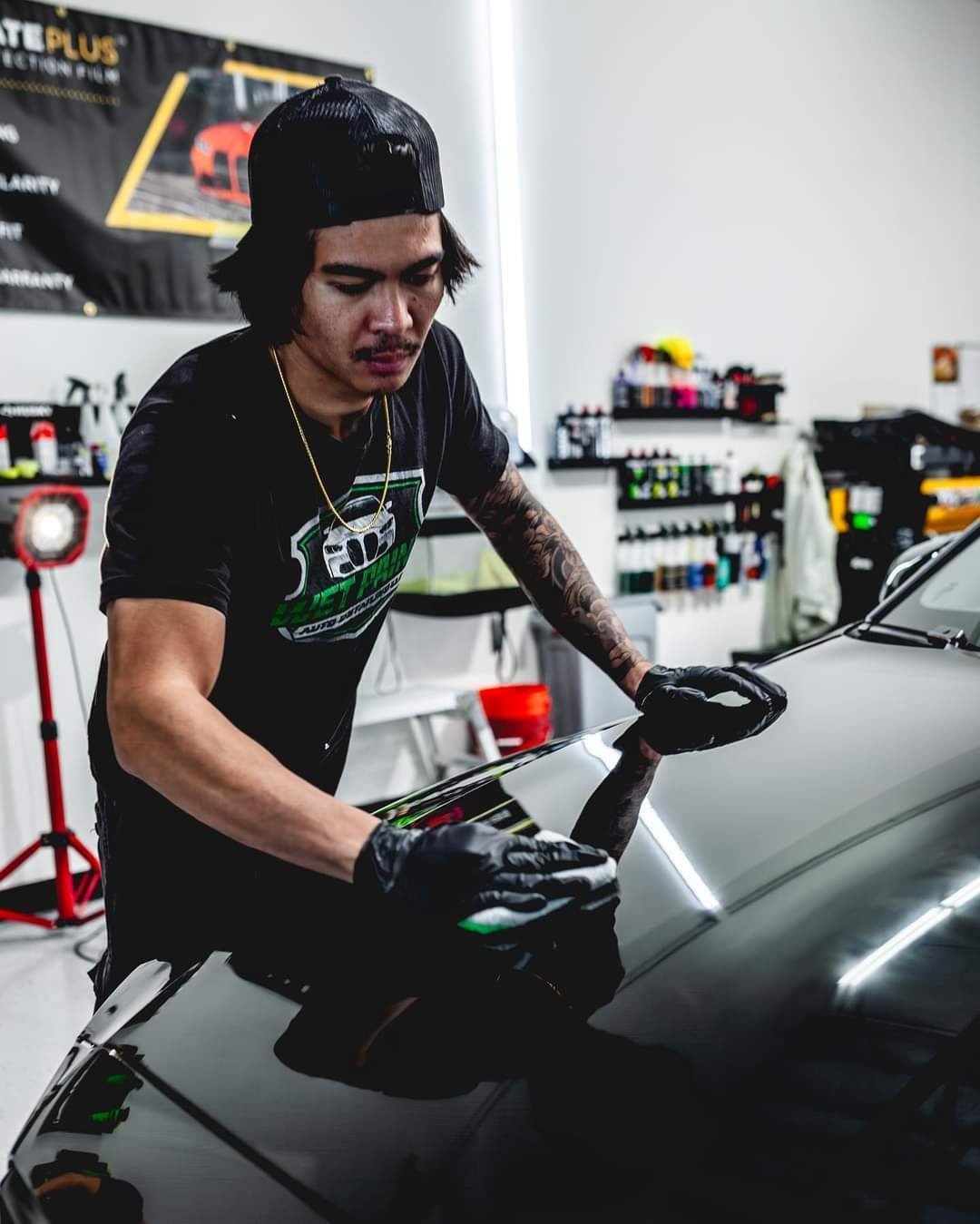
Applying a ceramic coating requires precision, patience, and often professional skill. The process begins with thoroughly washing and decontaminating the vehicle to remove every trace of dirt, oils, or previous residues. This deep clean is crucial because any imperfection left behind will be sealed under the coating. Once the surface is pristine, paint correction involves polishing out imperfections and oxidation to create a perfectly smooth base. During application, you must work carefully in small sections with even coverage. Following the manufacturer's instructions exactly for curing times, often 24 to 48 hours without exposure to water, is essential to ensure proper bonding.
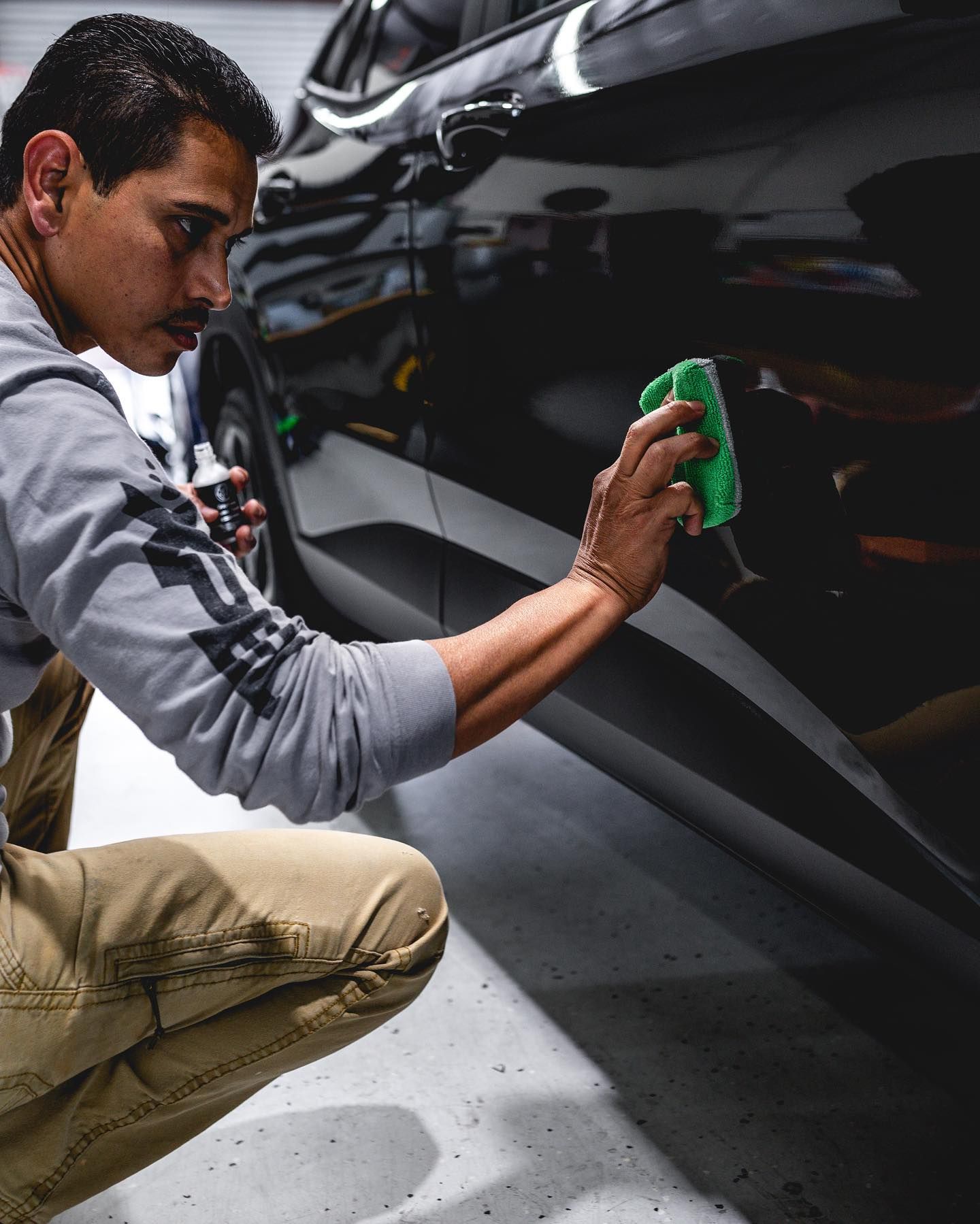
Waxing offers a gentler learning curve and quick satisfaction. It typically involves washing and drying your car well first, then applying a thin layer of wax with a foam applicator pad. After letting it haze, you buff it off with a microfiber cloth to reveal that classic glossy finish. Anyone can do it at home without special tools or expertise. Although ceramic coatings demand more up-front labor, preparation, and cost, their payoff is impressive longevity and superior resistance to UV rays, chemicals, and environmental factors. Waxing offers quicker gratification at a lower cost but requires ongoing upkeep over months.
Making Your Decision
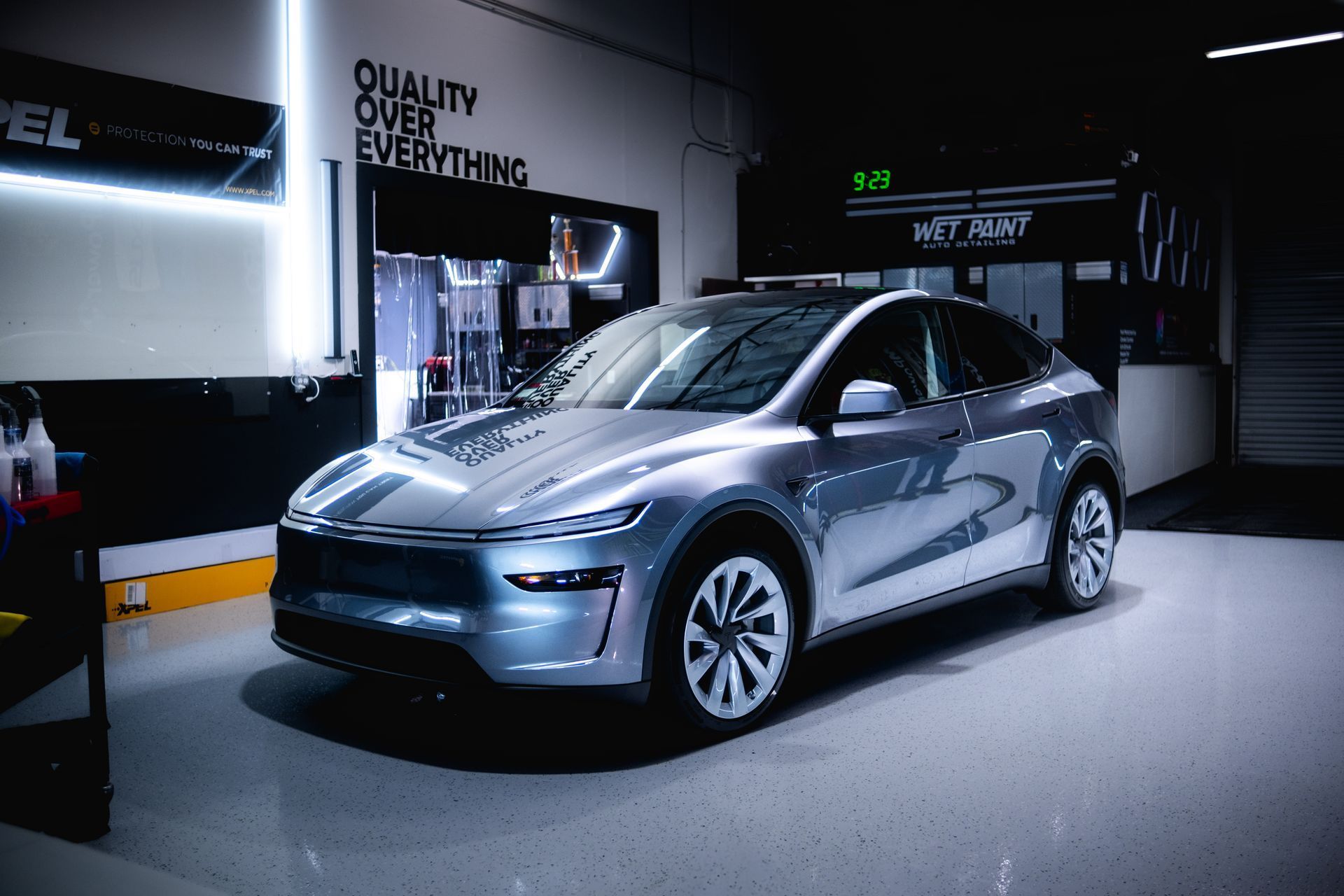
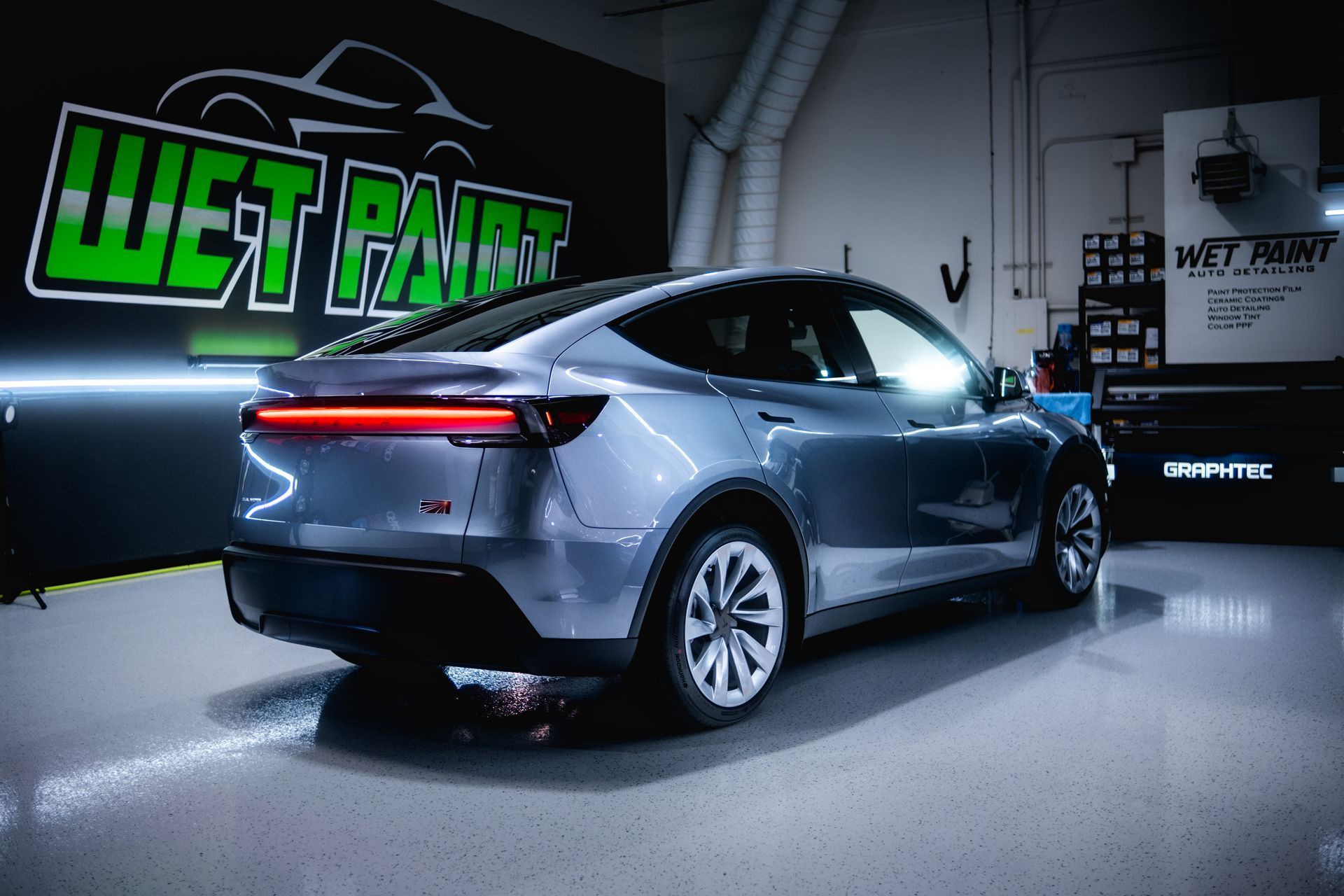
When choosing between ceramic coating and wax, consider what matters most to you as a car owner. Ceramic coatings create a durable, protective layer that shields your paint from UV rays, chemical stains, and environmental factors for years. This makes them perfect if you want long-term, low-maintenance protection and have little time to constantly care for your car's finish. However, applying ceramic coating demands thorough prep work, possibly professional assistance, and a sizable upfront cost. Ceramic coatings come with a significant investment, ranging from several hundred dollars for professional jobs to mid-range prices for DIY kits. Wax products are considerably cheaper and more accessible, making them appealing if budget or ease are priorities. Waxing is more hands-on but easier and less costly upfront. The warm, deep gloss it provides gives paint a radiant shine that many enthusiasts cherish. Reapplying wax every few months is a chore or a rewarding ritual of personal car care.
For someone who values extended protection with minimal fuss, especially on larger or newer vehicles, the investment in ceramic coating tends to pay off by preserving paint condition while saving time. But if you delight in the process of caring for your car and appreciate that classic wax glow, sticking with waxing may bring greater satisfaction despite more frequent upkeep. Ultimately, choosing between ceramic coating and wax is about balancing durability, appearance, cost, and the time you want to invest in car care. With a clear understanding of each option's strengths, you can confidently protect your vehicle while enjoying its finish in a way that fits your lifestyle.
Reliable Ceramic Coating Services in Citrus Heights, CA
If you want protection that lasts far beyond traditional wax, Wet Paint Auto Detailing offers
professional ceramic coating services in Citrus Heights, CA designed for durability and ease of maintenance. Ceramic coatings create a strong, bonded layer that helps protect your vehicle’s paint from UV exposure, chemical contaminants, and frequent washing while keeping it cleaner for longer periods. With careful preparation and expert application, our ceramic coating services provide consistent gloss and dependable protection without the need for constant reapplication.
Schedule your ceramic coating service with Wet Paint Auto Detailing in Folsom, CA and enjoy paint protection that fits your daily driving routine!