The Role of PPF in Preserving Vehicle Resale Value: Benefits and Protection Explained
January 20, 2026
When it comes to keeping your car's value high, most people focus on servicing the engine or upgrading features but often overlook the paint. Yet, the condition of a vehicle's exterior can make a huge difference when it's time to sell. Paint protection film quietly works in the background like an invisible shield, guarding your car against chips, scratches, and sun damage that chip away at its resale price. In this article, we'll dive into exactly how PPF helps preserve your car's look and value over time, showing why more owners are making this smart investment. Paint protection film plays a critical role in preserving a vehicle's resale value by protecting the car's paint from rock chips, scratches, dings, and environmental damage that cause premature wear and fading. High-quality PPF installations, especially when done by skilled specialists using premium materials, maintain the vehicle's showroom appearance for years, thereby enhancing buyer appeal and enabling owners to command higher resale prices.
What is Paint Protection Film (PPF)?
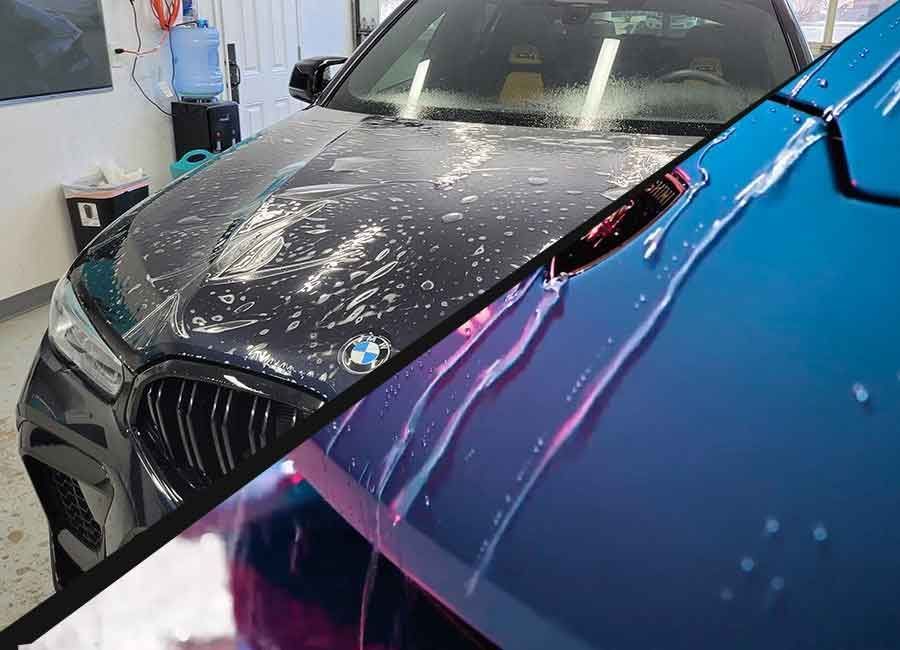
Paint protection film is essentially a thin but tough layer of thermoplastic urethane that adheres to your car's painted surfaces. Imagine wrapping your car in a clear, invisible shield that guards against the everyday hazards that slowly wear down paint quality, like rock chips from highway gravel, incidental scratches from parking lot encounters, or those stubborn bug splatters that are tougher to wash off than you'd expect. This isn't just some flimsy sticker. High-quality PPF measures between 6 and 8 mils thick, about 0.15 to 0.20 millimeters, which may sound thin, but it's remarkably durable. Its material makeup allows it to be flexible enough to conform precisely to every curve of your car while acting like a barrier against physical damage.
What really sets PPF apart is its self-healing property. When minor scratches occur, heat from sunlight or ambient warmth causes the polyurethane film to relax and smooth itself out over time. Your car's surface can effectively heal small imperfections without any intervention on your part, helping maintain that pristine finish. On top of that, PPF blocks UV rays, protecting your vehicle's paint not only from physical damage but also from fading and oxidation caused by sun exposure, which can dull colors and degrade clear coats over the years. Think of it like the screen protector on your smartphone. You trust it to absorb bumps and scratches so that your actual screen remains flawless underneath.
Similarly, the PPF wears the brunt of road debris and environmental hazards, preserving the factory paint beneath it. Installation of PPF requires precision cutting and heat activation to ensure every inch fits seamlessly without bubbles or wrinkles. This is why professional installation matters deeply. Even the best film can look unsightly or fail prematurely if not applied expertly. Such care translates into a product lifespan that typically ranges from five to ten years when maintained properly, a significant period during which your paint remains shielded.
How PPF Boosts Resale Value
Paint protection film acts like invisible armor for your vehicle's paint, preventing damage that often goes unnoticed until it's too late. Small rock chips, minor scratches from everyday driving, and even those inevitable dings from parking lot mishaps all add up over time, dulling the car's finish and lowering its resale value. By applying PPF, you essentially keep the paintwork looking factory-fresh far longer, which directly translates to higher market value when you decide to sell. Buyers aren't just paying for a vehicle's mechanics or features. They pay a premium for pristine condition. A clean, unmarred exterior sends a message: the car was cared for meticulously. Vehicles protected with high-quality PPF can retain significantly more of their retail value compared to those without. This difference can amount to thousands of dollars depending on the model and market conditions. Visible paint damage can substantially reduce a car's resale price, while repairing cosmetic paint damage after the fact costs considerably more than preventive care. PPF acts as a cost-effective investment in this regard.
Beyond pure aesthetics, PPF also lessens warranty claims related to paint defects. When warranties remain intact and untouched by cosmetic issues, buyers feel more confident about reliability and future maintenance expenses. When considering PPF installation, quality matters significantly, not just the film itself but especially the skill of installers at specialty shops who ensure proper fitment and longevity. While dealer installations might seem convenient, they sometimes use lower-grade materials and lack detailed craftsmanship, leading to bubbling or yellowing that ironically diminishes value instead of preserving it.
Advantages of PPF for Vehicle Owners
One of the most immediate benefits of paint protection film is its ability to preserve the aesthetic appeal of a vehicle. PPF acts like an invisible shield, maintaining a pristine finish by guarding against common hazards such as stone chips, road debris, and minor abrasions. For enthusiasts and collectors who prize that showroom shine, PPF is a practical way to keep their investment looking new long after the initial purchase. This preservation isn't superficial either. Because PPF prevents environmental damage like UV rays causing fading or bird droppings etching into the clear coat, the original factory paint remains intact. Over time, this means no dullness or oxidation that typically comes with age and exposure. If your vehicle is regularly exposed to harsh conditions like gravel roads or urban environments filled with dirt and grime, PPF can be a game changer in maintaining a flawless surface condition.
Beyond simply looking good, owning a car with PPF can save you significant money in the long run. Consider the expense involved if you face paint damage requiring professional repair or even a full repaint job. Costs can easily climb considerably for extensive bodywork depending on your car's size and finish quality. With properly installed PPF, many of these costs become avoidable because the film absorbs impacts and prevents chips or scratches that compromise paint integrity. Most premium films offer warranties lasting anywhere from five up to ten years, explicitly covering issues such as yellowing, cracking, bubbling, or peeling. Such long-term warranties underscore the manufacturers' confidence in durability and performance. This protective guarantee adds peace of mind beyond just visual appeal, assuring you that your investment is safeguarded against material failure under normal use conditions. However, warranty coverage often depends on expert installation. While PPF technology has advanced significantly with self-healing properties and improved clarity, the longevity and appearance hinge heavily on how skillfully the film is applied.
Effective PPF Application Techniques
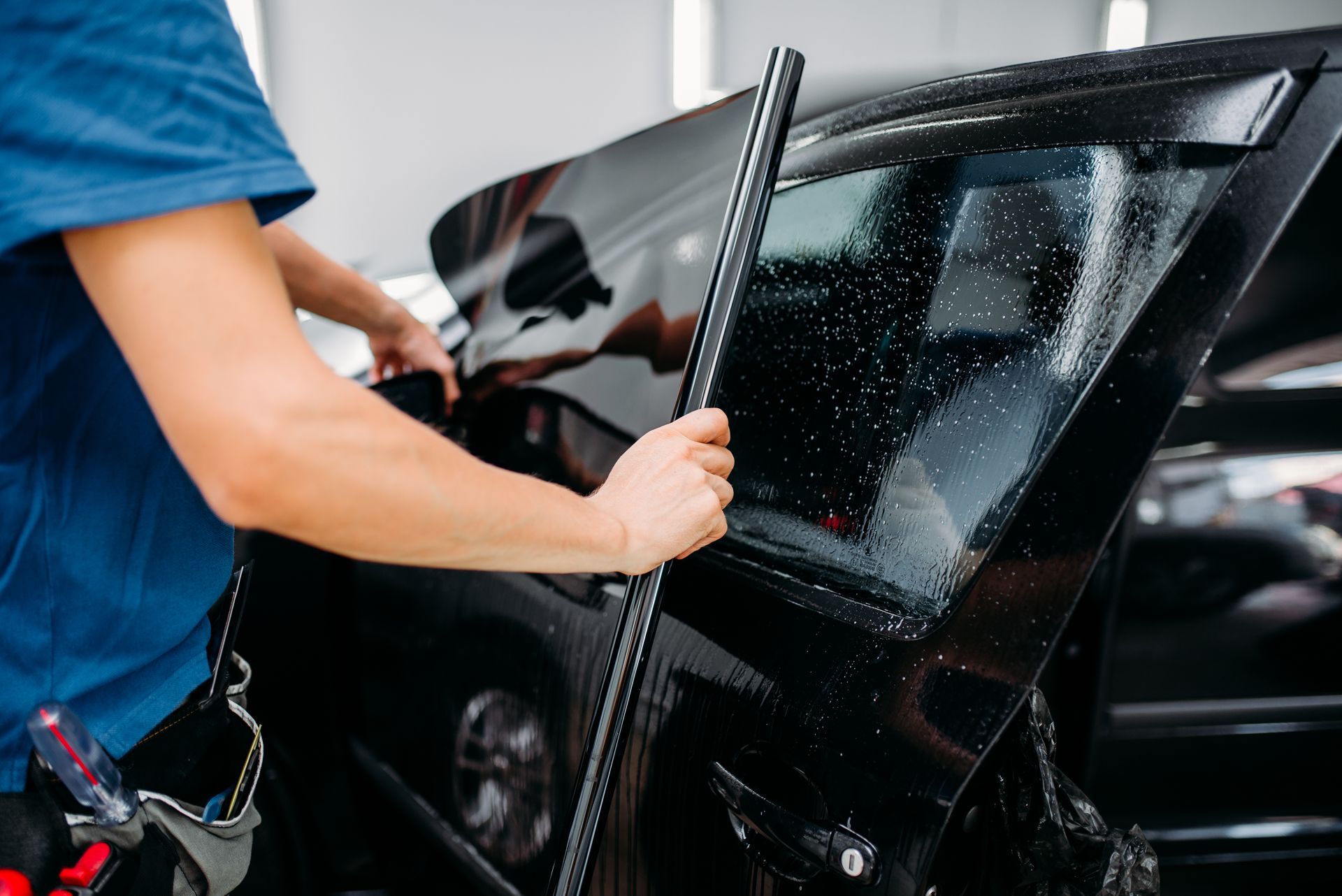
The foundation of a successful PPF installation lies in meticulous preparation. Any dirt or residue left on your vehicle's paint before applying PPF can trap air and debris, leading to unwanted bubbles or blemishes. Surface preparation involves more than just washing. It includes using a clay bar to remove embedded particles and polishing to create an ultra-smooth surface. Finally, wiping down with isopropyl alcohol ensures all oils and contaminants vanish, setting the stage for perfect adhesion. Once the surface gleams free of imperfections, cutting the film to size becomes paramount. While some might opt for pre-cut kits, custom fitting remains an art form that veteran installers hone over years. Carefully measuring and trimming film based on your car's unique curves guarantees the edges lay flush without stretching or distorting the material. Overstretching weakens the film's integrity, potentially shortening its protective lifespan.
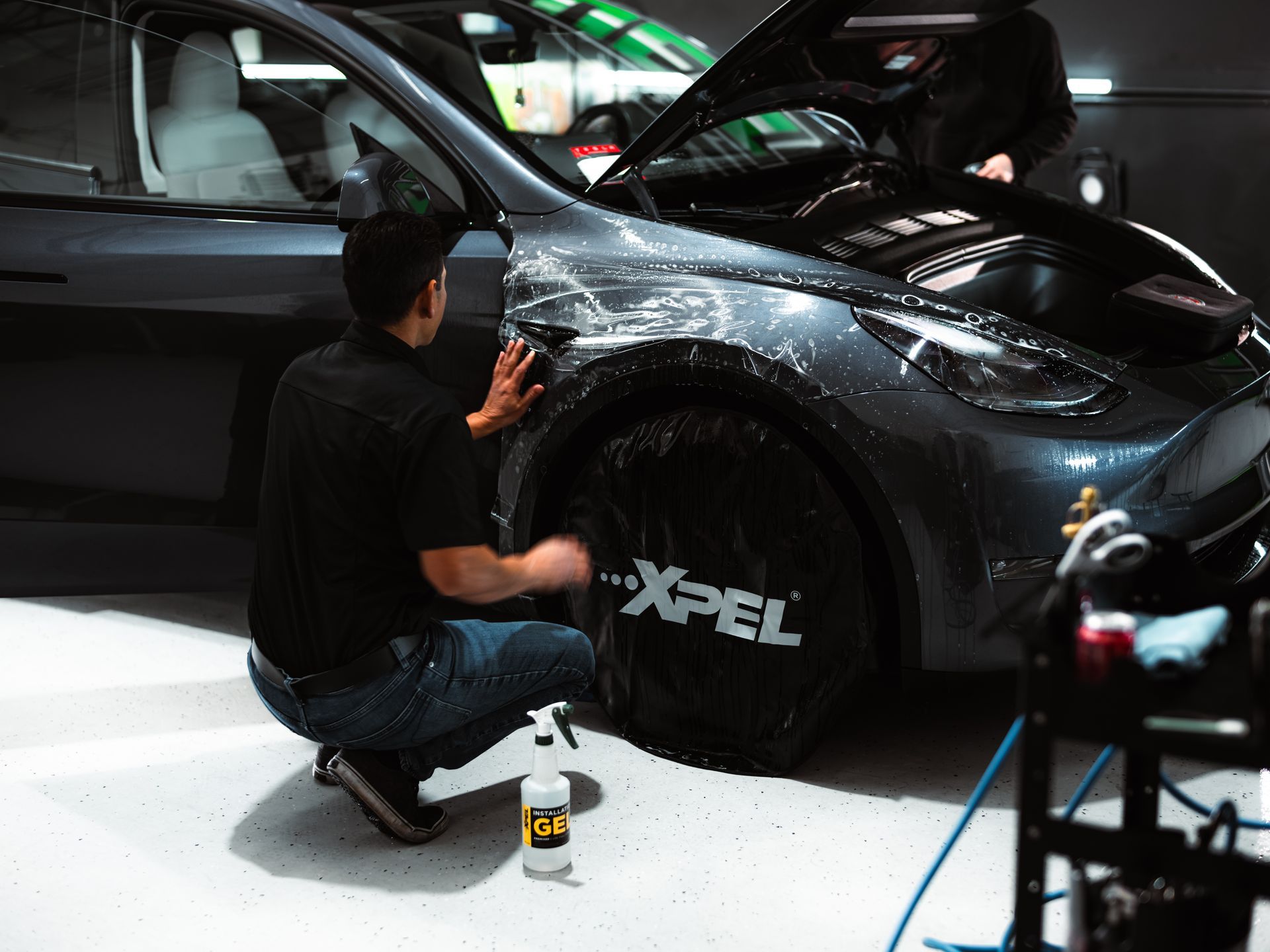
With the pieces prepped, smoothing out the film is where technique truly shines. Using a specialized squeegee, installers carefully press out trapped air pockets while guiding fluid beneath the film to prevent premature drying. Properly sealing the edges follows next, tucking and adhering them securely so dirt can't sneak underneath. Heat guns are often employed to gently activate adhesives and mold the film snugly into tight bends. When done right, each phase builds upon the last like careful brush strokes forming a masterpiece, a seamless shield protecting your paintwork for years.
Caring for PPF-Equipped Vehicles
Caring for a vehicle wrapped in paint protection film demands consistency to ensure the film lasts as long as possible. The first rule is to avoid anything abrasive. Automatic car washes with brush systems can lift or scratch the film. Instead, hand washing is essential using gentle, PPF-safe cleaning agents with a neutral pH between 6 and 8. Prompt attention to contaminants like bird droppings or bug splatters cannot be overstated. These substances are acidic or alkaline and left untreated can etch into both your PPF and underlying paint. As soon as you notice these marks, gently washing them off prevents permanent damage. Beyond cleaning, applying a PPF-compatible wax periodically can be smart. These specialized formulations bolster the film's gloss while adding an extra layer of protection against UV rays and minor abrasions without compromising self-healing properties.
Schedule regular inspections, ideally once a year, with a professional who understands PPF. They will look for signs of lifting edges, bubbling, or other damages. Early detection means small fixes rather than costly replacements. Regular hand washing every one to two weeks using lukewarm water helps prevent dirt buildup. Use only microfiber cloths for drying to minimize scratches. Avoid abrasive scrubbing or harsh chemicals by sticking to pH-neutral shampoos. Protect exposed edges with door guards or mirror caps if available to prevent premature wear in vulnerable areas.
Cost vs. Benefits of PPF Installation
The upfront expense of installing Paint Protection Film might seem steep depending on your vehicle's size and the quality of film chosen. Yet, this initial investment should be seen as a strategic move toward preserving your vehicle's exterior integrity and resale value. Avoiding an expensive repaint job puts this spending into perspective. The beauty of PPF lies in its ability to act as a sacrificial shield. It absorbs scratches, rock chips, and UV damage that would otherwise mar your paintwork. Films with self-healing technology repair minor abrasions at room temperature, making daily wear far less concerning. This means fewer trips to body shops and less worry about parking near shopping carts or driving on gravel roads.
Another major advantage is the hydrophobic quality of many modern films. Dirt and water slide off effortlessly, simplifying cleaning and slowing oxidation, which degrades paint over time. Reduced grime buildup helps maintain shine and vibrancy, qualities that catch potential buyers' eyes when selling the car. Owning a car that looks showroom-fresh months or years later delivers daily satisfaction and pride. For many enthusiasts, this peace of mind justifies the cost.
Choosing the Right PPF Installer
The quality of your paint protection film installation significantly determines the extent of your vehicle's protection and its durability. Selecting an installer with a strong reputation and proven expertise is foundational. Doing your homework pays off. Start by researching installers known for exceptional workmanship. Check reviews across multiple platforms, not just testimonials on a company website, but third-party reviews from independent sources. Ask for portfolios displaying before-and-after photos of completed projects so you can assess real results. Look specifically for certifications from trusted film manufacturers confirming the installer has undergone rigorous training. Never underestimate the importance of material quality. Even the best-certified technician cannot transform a low-quality film into excellent protection. Stick with installers who use top-tier films from reputable manufacturers with warranties and reputations for durability, clarity, and resistance to stains and UV damage.
Another critical factor is warranty and aftercare service. The best installers offer comprehensive warranty packages covering both the film's defects and installation-related issues like bubbling or peeling. This reflects confidence in their work and provides vital peace of mind. Ask about recommended maintenance after installation. Some installers include complimentary follow-ups or detailed care instructions to keep your PPF performing optimally. With careful selection of an installer who combines skill, premium materials, and solid aftercare, the true protective promise of PPF transforms from theory into lasting reality, adding tangible long-term value to your vehicle investment.
Smart PPF Solutions in Sacramento, CA
If preserving your vehicle’s resale value matters,
professional paint protection film is a smart investment. Wet Paint Auto Detailing offers expert PPF services in Sacramento, CA designed to protect high-impact areas like the front bumper, hood, fenders, and mirrors from everyday road exposure. With carefully applied film and attention to detail, your paint stays cleaner, more consistent, and better protected over time.
Schedule your paint protection film service with Wet Paint Auto Detailing in Sacramento, CA and take a proactive step toward protecting your vehicle’s long-term value!