How PPF Helps Reduce Surface Contact From Road Debris to Protect Your Vehicle's Paint
December 20, 2025
Every time you hit the road in Roseville, Rocklin, or the surrounding areas, tiny bits of gravel and debris zoom right at your car's paint. These little impacts can add up fast, leaving chips and scratches that hurt its look and value. That's where Paint Protection Film comes in. It acts like a clear, invisible shield that takes the hit for your paint, saving it from damage before you even notice it. Let's dive into how this special film works to keep your car looking fresh, mile after mile.
Paint protection film acts as a transparent, sacrificial barrier that absorbs impacts from rocks, gravel, and other debris kicked up while driving, preventing chips and scratches on the vehicle's paint. Its durable urethane composition resists abrasion and self-heals minor scratches, effectively preserving the original finish and significantly reducing surface damage caused by road debris.
What is Paint Protection Film?
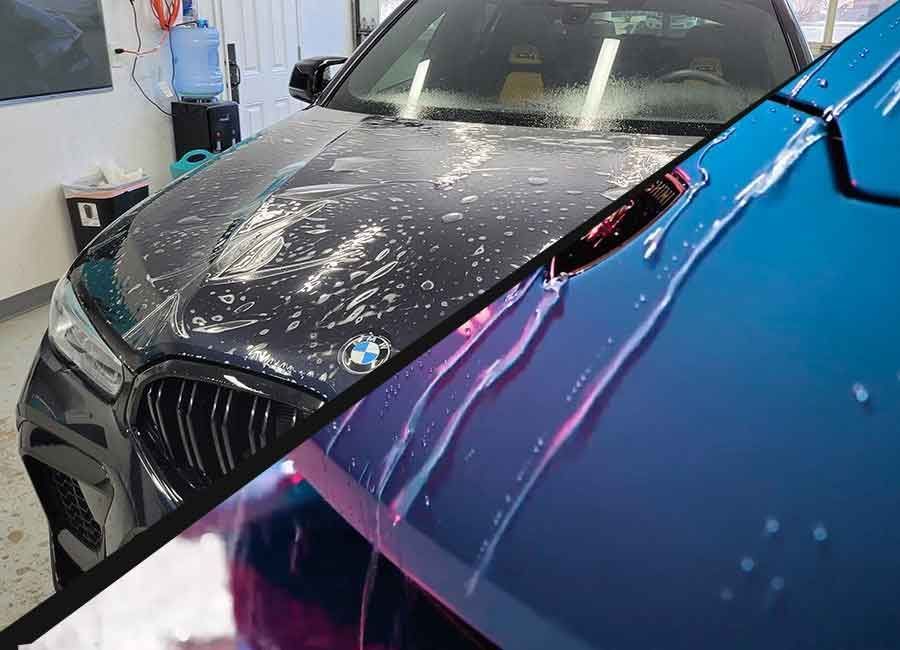
Paint protection film, or PPF, is essentially a clear, thin layer of thermoplastic urethane that adheres directly to the surface of your car. Imagine it as a nearly invisible shield stretched over your vehicle's paint, a tough but flexible second skin designed to absorb impacts from flying debris like rocks or gravel. This film acts as a buffer between the harsh outside elements and your car's delicate finish. The origins of PPF are intriguing. Developed decades ago to protect helicopter rotor blades from abrasion, this technology has since evolved into a sophisticated automotive accessory. Today's automotive-grade PPF combines durability with advanced features such as self-healing properties, where minor scratches on the film fade away when exposed to heat, even just sunlight, restoring a smooth surface without any intervention. This ability makes PPF uniquely suited for environments where everyday wear and tear threaten your car's beauty.
A key point about PPF is its transparency. It boasts exceptional clarity, which means once applied professionally, it practically disappears on your vehicle. It doesn't change the appearance or gloss of your paint but quietly does its job underneath, absorbing impacts and resisting abrasions that would otherwise leave costly chips and scratches. Moreover, the film's elasticity and tensile strength allow it to flex with your car's contours while maintaining resistance to tearing or cracking. This quality ensures that even in extreme conditions, whether scorching summer heat or freezing winter cold, the film remains intact and effective. High-quality PPF can absorb impacts to protect your car from flying stones and debris at high speeds, resist scratches from sand and branches, and heal itself from minor damage when warmed up. The film maintains high transparency to preserve your original paint color and finish while providing UV protection to prevent fading and discoloration. Its durability ensures the film stays flexible and adhesive across varying temperatures.
Protective Capabilities Against Road Debris
When your car hits the highway, it becomes vulnerable to countless airborne hazards. Tiny stones, sand, and gravel zip along with surprising velocity. Each little fragment carries the potential to chip away at your paintwork, slowly eroding the pristine surface that gives your vehicle its signature look. Paint protection film excels here by serving as a sacrificial barrier, absorbing impacts that would otherwise leave permanent marks on your vehicle's finish. Unlike waxes or ceramic coatings, which primarily offer chemical and minor surface scratch resistance, PPF is engineered to withstand physical assaults. Its sturdy yet flexible thermoplastic urethane composition can take punches from rocks traveling at highway speeds, preventing chips before they ever reach your paint. High-quality films are remarkably tear-resistant and capable of enduring harsh encounters without compromising coverage.
Even better, PPF's self-healing properties allow shallow abrasions to vanish within a day or two under moderate warmth. Think of the afternoon sun heating the surface, keeping the film looking flawless despite daily wear and tear. This combination of impact absorption and self-repair means you're not just delaying damage but actively maintaining the appearance over time. PPF is particularly effective in areas where winter road conditions deteriorate and salt and gravel combine to attack vehicles aggressively. Road salt accelerates corrosion by breaking down paint's protective layers, but because PPF resists chemical damage and prevents direct contact between salt and paint, it plays a crucial role in slowing this destructive process. The hydrophobic nature of most modern films also helps repel water, slushy snow, and dirt, reducing grime buildup and washing effort alike. Some drivers turn to ceramic coatings in hopes of shielding their cars from debris, attracted by their glossy finish and hydrophobic qualities. However, while these coatings resist light scratches and ease cleaning, they lack the physical barrier characteristics of PPF. Ceramic coatings do not absorb impacts or prevent chipping. They merely protect against chemical etching and minor swirls. For serious protection against rock chips and stone dings in high-risk zones such as bumpers, hoods, fenders, and rocker panels, PPF remains unparalleled.
Key Application Areas for Maximum Protection
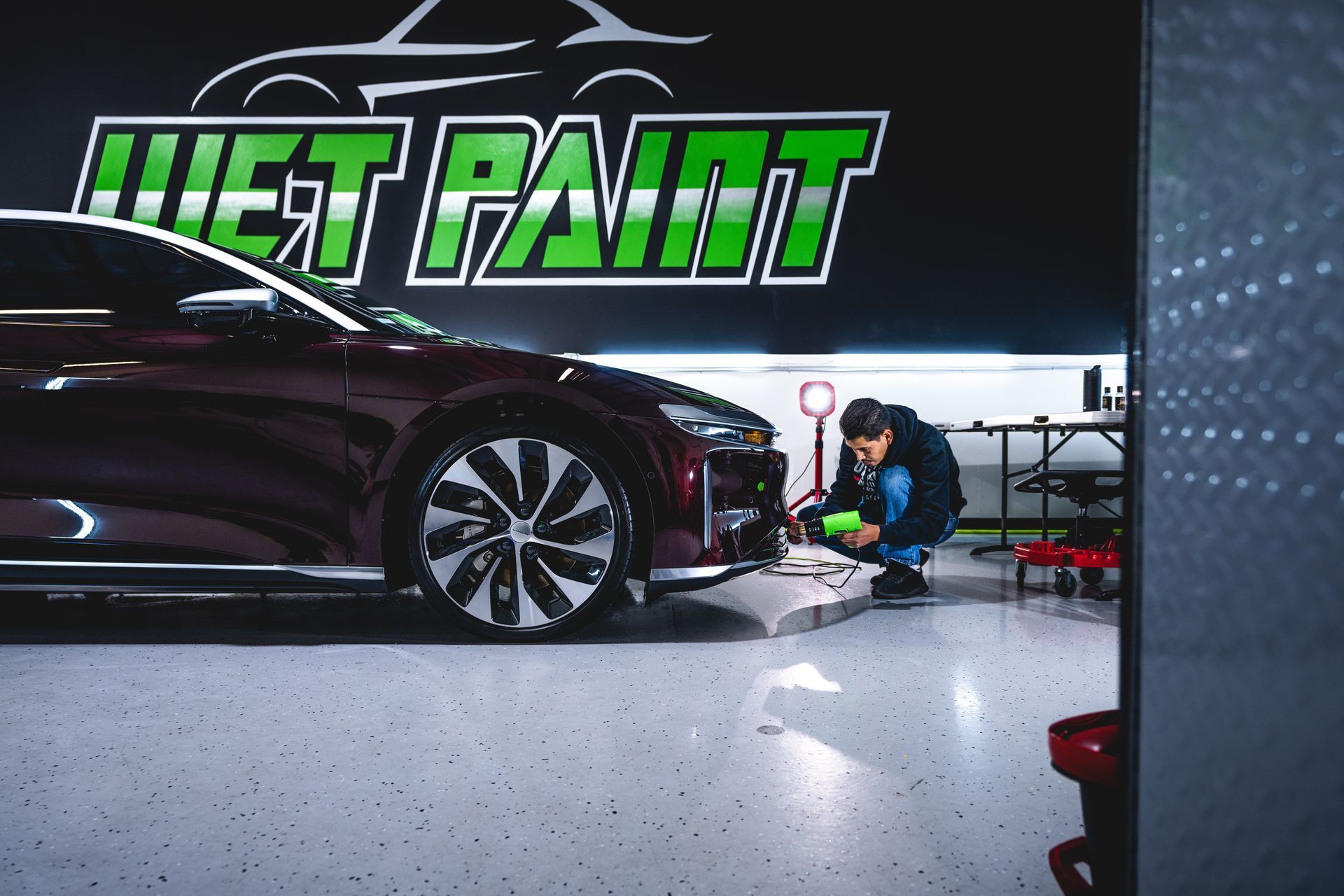
The front bumper and hood of your vehicle take the brunt of airborne stones and gravel, especially during highway driving around Folsom and Lincoln. These areas are the first line of defense. They're fully exposed, making them prime targets for chips and scratches caused by high-speed impacts. Given their extensive exposure, applying paint protection film here isn't just smart but essential to preserving your vehicle's pristine finish. Moving down the sides, the fenders and side mirrors often suffer from debris kicked up by your own tires or those of nearby vehicles. Their position makes them particularly vulnerable to smaller pebbles striking at unexpected angles. Applying PPF in these regions can dramatically decrease the accumulative wear that otherwise dulls paint and creates unsightly chips.
The protection doesn't stop at the visible surfaces we often admire. Attention to the rocker panels and wheel arches is equally vital. These areas regularly endure assault from road salt, slush, and larger debris flung up by rotating tires. This combination can accelerate corrosion and paint erosion beneath your car where visibility is low but damage potential is high. Coating these lower sections with PPF creates a durable barrier against abrasive particles and corrosive chemicals. By focusing on these key zones, including the front bumper and hood, side mirrors, fender edges, rocker panels, and wheel arches, you get the most impactful protection for your investment. This targeted approach balances comprehensive coverage where damage risk is highest without incurring unnecessary costs on low-risk areas.
Long-Term Durability and Resistance
A significant advantage of PPF is its remarkable long-term durability. This isn't just a flimsy layer slapped onto your vehicle's surface but a robust, engineered barrier designed to withstand various environmental stressors that threaten your car's paint every day. From blistering summer heat to freezing winter chills, PPF maintains its integrity without cracking or peeling. It also shields against the relentless assault of ultraviolet rays, which are notorious for causing paint to fade and oxidize prematurely. The film's thermoplastic urethane composition is highly flexible yet tough, allowing it to absorb and disperse impacts from rocks, road debris, and minor abrasions without transferring damage to the paint beneath. Unlike traditional waxes or coatings that degrade quickly under harsh conditions, high-quality PPF is rated for years of protection, often lasting five to ten years or more with proper care.
One of the most impressive innovations in modern PPF is its self-healing ability. This technology allows the film to recover from light scratches and swirl marks when exposed to moderate heat. For instance, if your car picks up minor scuffs during a routine car wash or suffers tiny abrasions from gravel on the road, you can restore a pristine look simply by parking it in sunlight or gently warming the affected area. At its core, self-healing works because the topcoat of many films contains elastic polymers that can reform their original shape after being disturbed. Additionally, PPF acts as an enduring chemical shield. Its thick molecular structure stops acidic substances like bird droppings, bug splatter, and tree sap from damaging the clear coat, which can lead to costly repainting if not taken care of. The hydrophobic nature of many films further assists by repelling water and dirt, reducing grime buildup and making cleaning far easier and less abrasive.

Professional Installation and Maintenance Tips
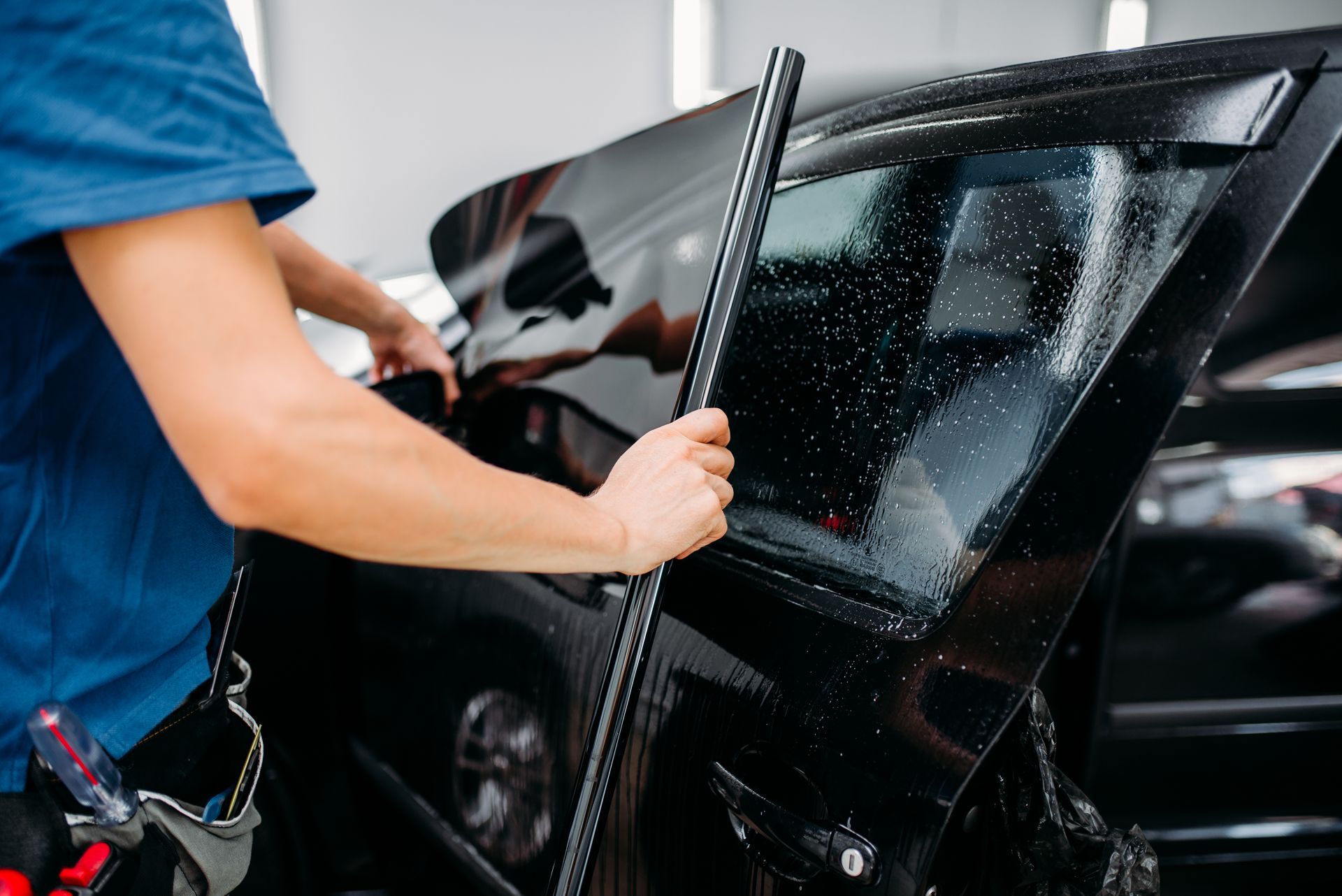
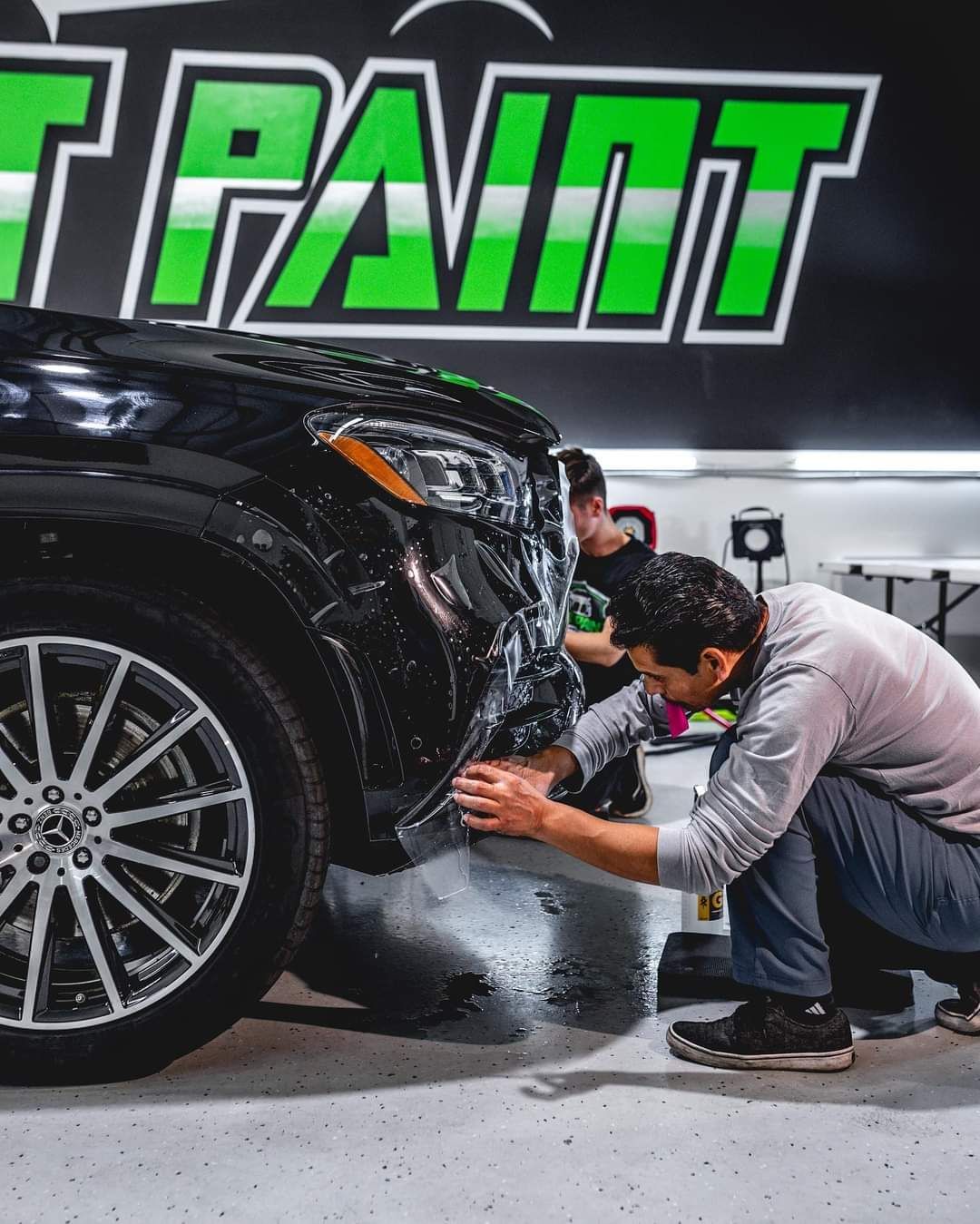
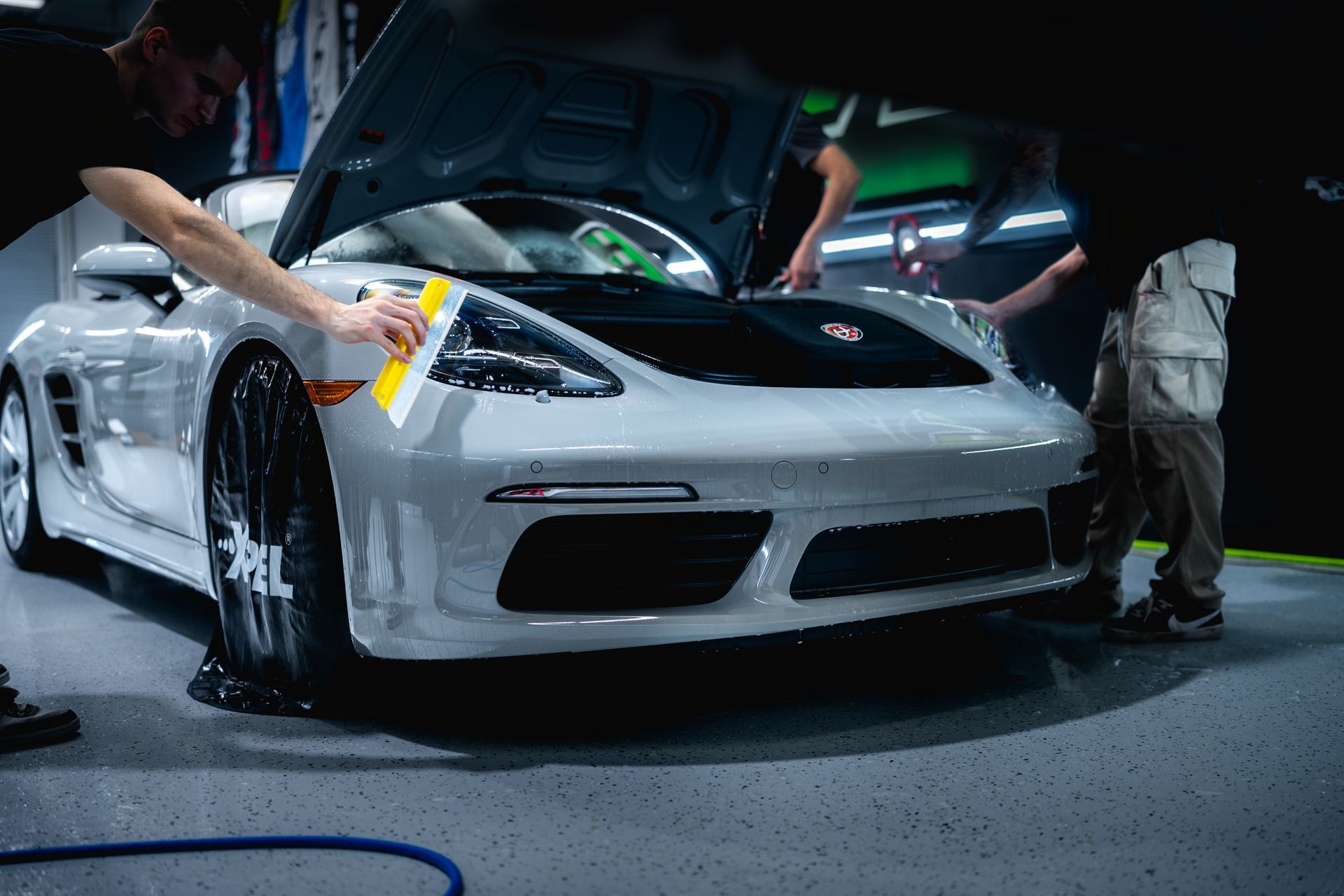
Investing in paint protection film requires professional installation, which is one of the most critical decisions. This isn't just a matter of convenience or aesthetics but directly impacts how well the film adheres and protects your vehicle. Professional installers bring experience that goes beyond simply sticking the film on. They carefully prepare your vehicle's surface, removing any contaminants, oils, or imperfections that could undermine adhesion. What makes professional installation truly indispensable is their mastery of application techniques and tools. Unlike a DIY job with potential wrinkles or air pockets, professionals use advanced squeegees, heat guns, and alignment systems that let the film flex perfectly as it settles onto complex curves and edges. This precision helps prevent common failures like peeling at corners or uneven surfaces that trap dirt underneath.
Once you outfit your vehicle with a flawlessly applied film, maintaining it becomes the next priority to sustain its clarity and protective capability over time. Washing your car with gentle, pH-neutral soaps rather than harsh detergents prevents premature wear or dullness of the film's finish. Avoiding abrasive brushes during washes is essential because even minor scratches can disrupt the self-healing properties that PPF offers. Instead, opt for soft microfiber cloths or hand washing methods that gently rinse away dirt and road grime without friction. Target frequent cleaning, especially in high-impact areas, such as bumpers and rocker panels, where stones and debris strike most often. Seasonal care requires increased washing during winter to remove corrosive road salts and spring cleanings to address pollen buildup that can stain both paint and film. Applying a compatible ceramic coating over the PPF adds another hydrophobic barrier, enhancing water-beading effects and making dirt slide off easier.
Staying proactive with regular inspections helps catch early signs of damage or cloudiness before they worsen. A quick glance can reveal if dirt is accumulating along seams or if sunlight has dulled a spot requiring attention. Addressing these issues promptly with professional touch-ups prevents costly repairs down the line and keeps your investment thriving longer. In essence, professional installation combined with attentive maintenance forms a partnership that ensures your PPF continues shielding your vehicle effectively against road debris, weather extremes, and everyday wear. Proper installation and diligent care are fundamental components of effective paint protection. Together, they ensure your vehicle remains pristine, preserving both appearance and value long-term.
Unparalleled PPF Services in Lincoln, CA
Protect your vehicle's finish from the rigors of the road with Wet Paint Auto Detailing's
unparalleled paint protection film services in Lincoln, CA. Our expert team delivers flawless paint protection film installations that shield your paint from road debris, rock chips, and everyday wear, all while preserving your car's original look. Choose Wet Paint Auto Detailing for lasting protection that keeps your vehicle looking its best.
Schedule your installation today!