The Role of Surface Preparation in Achieving a Flawless Ceramic Coating Finish
August 13, 2025
Ceramic coating promises a strong, shiny shield for your car's paint, but many vehicle owners don't realize that how you prepare the surface can make or break those benefits. Think of it like baking a cake: no matter how good the frosting is, if the base isn't ready, the final result won't hold up. Getting your car's paint perfectly clean and smooth before applying ceramic coating might sound like extra work, but skipping this step often means less protection and a shorter lifespan. Let's explore why surface prep matters so much and how it sets the foundation for durable, lasting results.
Why Surface Preparation Matters for Ceramic Coating
When you apply ceramic coating without proper surface prep, it's like trying to stick wallpaper over dirty, peeling paint. No matter how high-quality the coating is, it simply won't bond properly. The tiny oil residues, road grime, old waxes, and embedded iron particles on your car's paint create an invisible barrier. This barrier prevents the coating from adhering and invites premature failure, meaning your investment deteriorates faster than expected. Removing these contaminants reveals a clean canvas that allows the coating to form a lasting molecular bond with the paint. Professional detailers understand that surfaces prepped thoroughly experience significantly improved coating adhesion and durability. More specifically, removing oils and polishing residues can enhance bonding substantially, ensuring your ceramic layer resists water spots, UV rays, and minor surface imperfections more effectively.
Beyond just cleaning, surface prep involves correcting imperfections. Polishing smooths out surface irregularities and creates an even texture that improves how well each ceramic molecule locks into place. Think of it as sanding wood before staining: a well-sanded surface absorbs stain uniformly and lasts longer. The benefits of careful preparation extend throughout the life of your ceramic coating. Properly prepped vehicles don't just look glossier; they maintain their shine for years longer. Owners notice enhanced water beading, smoother surfaces that repel dirt effortlessly, and significantly improved resistance to oxidation or chemical etching from acid rain and road salts.
Essential Cleaning and Decontamination Steps
Before applying any ceramic coating, the groundwork begins with a meticulous cleaning process that ensures the surface is truly ready to bond with the product. A simple wash won't suffice; you need to remove everything from visible dirt to invisible embedded contaminants that cling to your paint like stubborn barnacles. Using a pH-neutral soap paired with a microfiber mitt gently lifts dirt and oils without stripping away existing protection. The trusted two-bucket method, one filled with soapy water and the other with clean water for rinsing your mitt, prevents re-depositing grime back onto the vehicle. This simple practice minimizes surface imperfections and guarantees a deeper cleanse. Following this, a powerful rinse using a pressure washer flushes out loosened debris, giving you an almost pristine canvas.
Even after this careful wash, embedded contaminants lurk beneath the surface. The clay bar treatment, often underestimated, is like an exfoliation for your car's exterior. By gliding a lubricated clay bar across the paint, it effectively pulls out microscopic particles such as brake dust or tree sap ingrained too deep for traditional washing. Chemical iron removers complement this by dissolving iron particles embedded into the paint from road debris or brake dust fallout. These contaminants appear as tiny rust spots that weaken your surface over time if untreated. Applying these products requires patience; allowing them to dwell at safe temperatures lets the chemicals work without harming your paint finish. Performing these cleaning and decontamination tasks in a shaded area can be crucial. Direct sunlight heats surfaces rapidly, causing soaps and chemicals to dry prematurely. This leads to streaks, spots, or residues that undo all your efforts by creating new imperfections before you even start coating.
Addressing Surface Imperfections Through Paint Correction
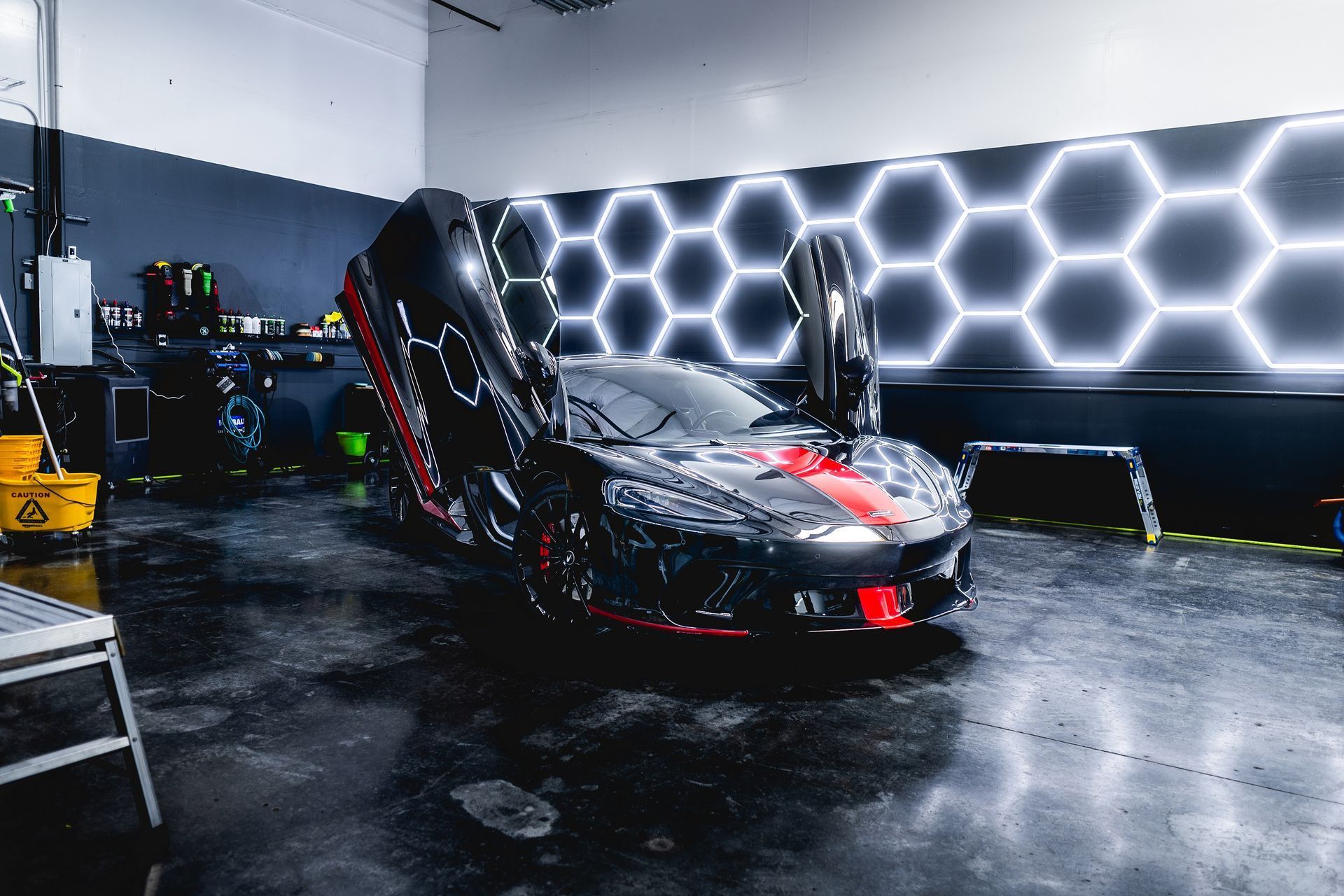
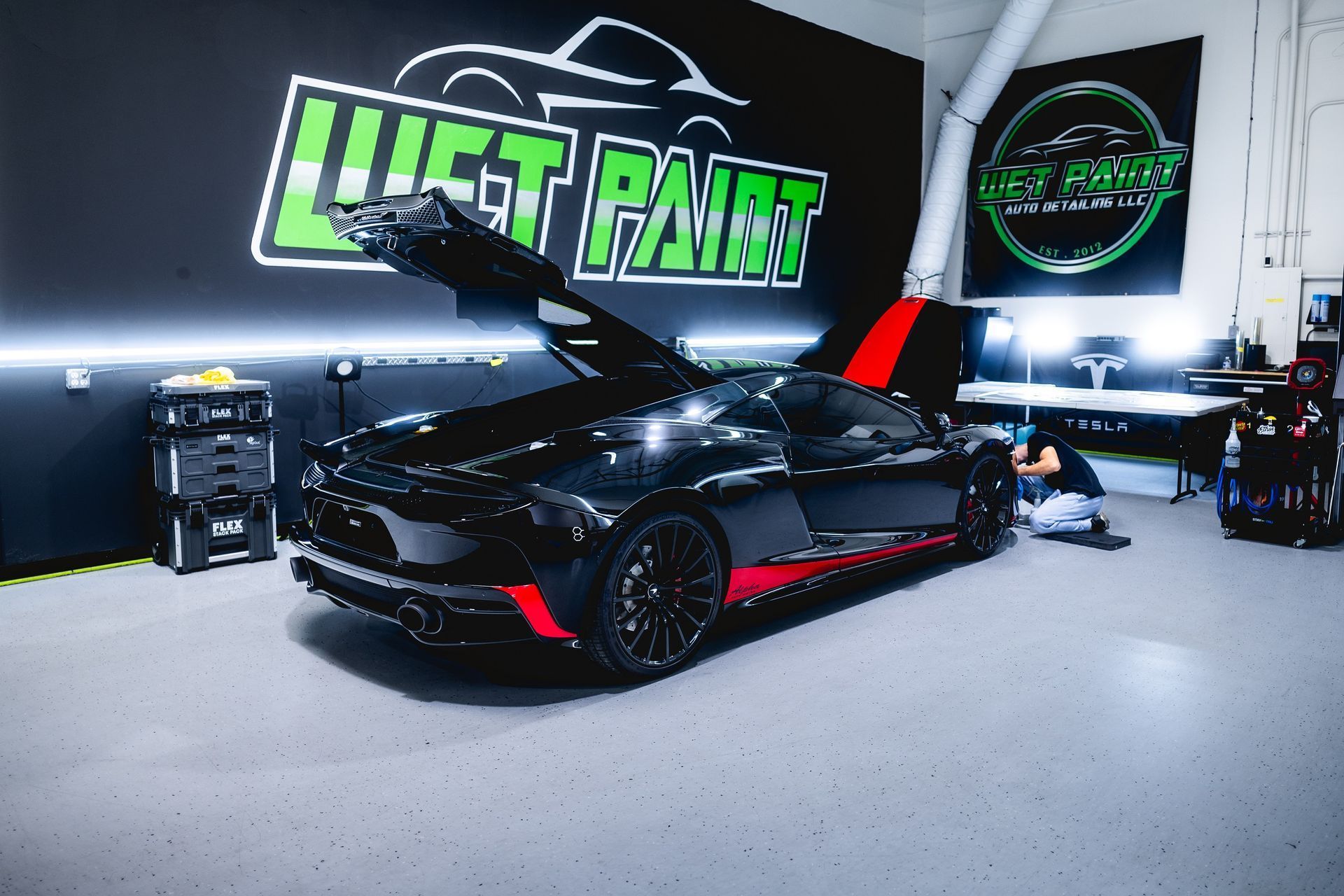
Even after washing and decontaminating, your vehicle's paint can still harbor minor flaws that aren't immediately visible in everyday lighting but become apparent under professional inspection. These tiny flaws are more than just cosmetic nuisances; they create uneven surfaces that ceramic coating cannot adhere to properly. Paint correction begins with a careful assessment of the surface under strong, directional lighting, typically LED or halogen lamps, which reveals even the smallest defects. This evaluation guides the selection of appropriate polishing compounds and tools for each section of your vehicle.
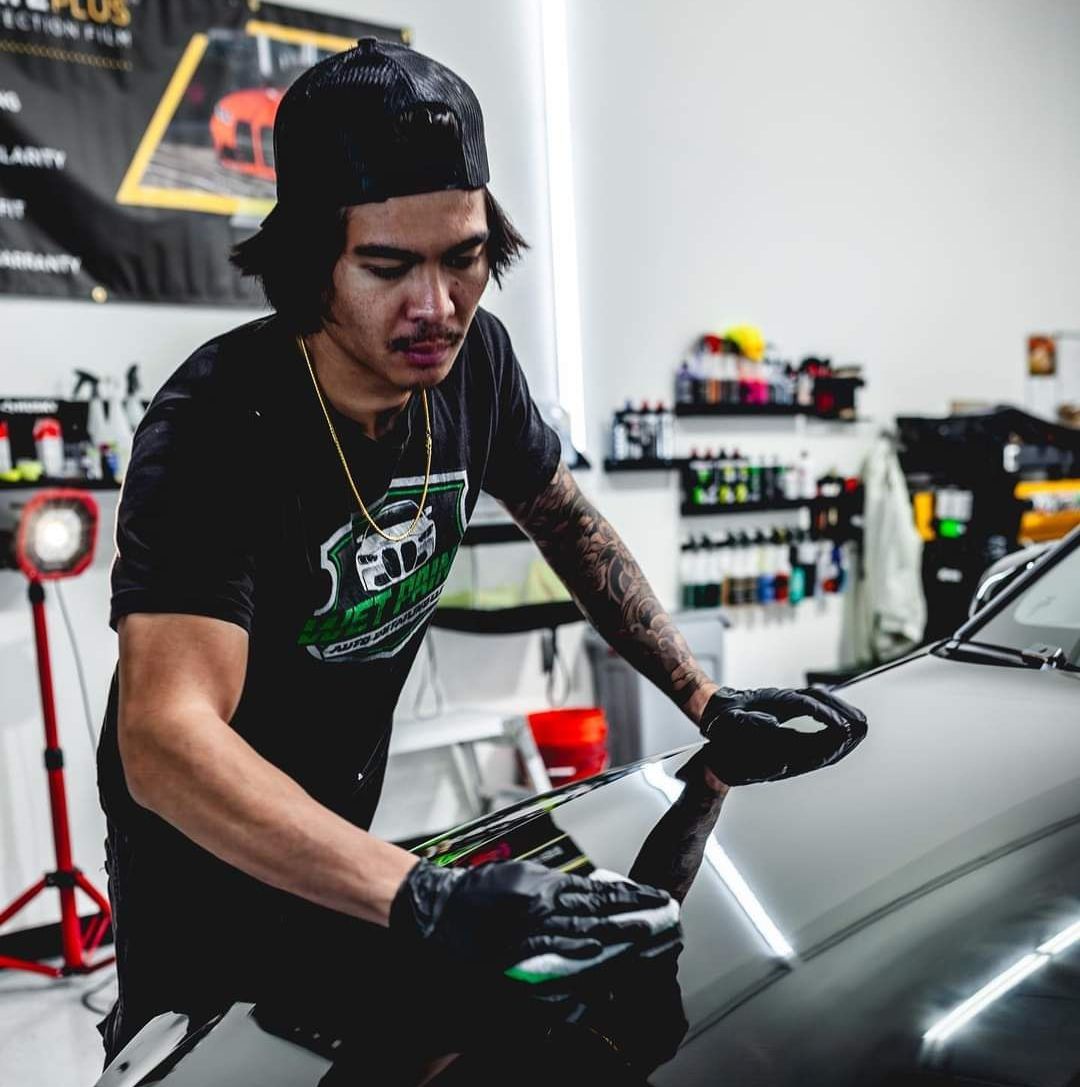
Selecting the right polish requires balance: too mild, and stubborn imperfections linger; too aggressive, and you risk thinning your clear coat or causing new micro-imperfections. The typical progression starts from a light-cut compound, ideal for superficial flaws commonly caused by improper washing or drying. Medium- to heavy-cut compounds tackle more profound issues and oxidation but require experience to use effectively. Machine polishing with a dual-action polisher is widely recommended for achieving professional results. These tools offer safer correction by reducing heat buildup and minimizing the chance of polishing mishaps. The application technique matters just as much as products and machinery. Working in small sections ensures uniform results across each panel. This process doesn't just improve visual appeal; it creates a perfectly smooth canvas that enhances the adhesion of ceramic coatings dramatically. Proper correction creates an ideal surface for coating bond strength, meaning longer-lasting protection and higher gloss for both aesthetics and durability.
Choosing the Right Preparatory Products
The market offers numerous surface prep products, but selecting proven options is essential for setting a solid foundation. If your surface prep products don't effectively remove oils, contaminants, and residues, your coating may fail prematurely or appear uneven. Isopropyl Alcohol (IPA) wipes are absolutely essential post-polishing cleansers. They strip away invisible polishing oils and residues that could otherwise trap contaminants beneath your ceramic layer. Think of IPA wipes like preparing a canvas before painting: if it's not perfectly clean, the coating won't adhere properly.
Pre-coating cleaners are specially designed to eliminate stubborn oils without leaving any film behind. They ensure every inch of your paint is prepared to meet the bonding agent optimally. This means your ceramic coating will bond thicker and stronger, boosting longevity and hydrophobic properties. Quality clay lubricant is another crucial product. A proper lubricant prevents surface damage during decontamination, allowing the clay bar to safely glide over your paint while pulling off bonded contaminants like iron particles or tree sap. Using an inferior lubricant could cause micro-marring that decreases final gloss and undermines coating effectiveness.
Professional Application Techniques for Stronger Bonds
Applying ceramic coating demands attention to detail at every step. One critical technique is the panel wipe performed right after polishing. This step removes any residual oils, polishing compounds, or dust left behind from previous processes. If you skip this, those residues can act like tiny barriers preventing the coating from bonding directly with the paint surface, resulting in an uneven layer that may peel prematurely.
Controlling your environment during application is another decisive factor. Ceramic coatings applied in a dusty or humid space risk trapping contaminants beneath the surface layer. Maintaining a temperature between 60°F and 80°F ensures the chemical reaction between coating and paint happens optimally. Too cold, and curing slows drastically; too hot, and you risk flash curing, where the coating hardens before you can evenly spread and buff it.
Working in small sections, no more than a 2x2 foot area at a time, is essential for control and consistency. After applying to each small panel, immediate buffing with a clean microfiber cloth ensures an ultra-thin, uniform layer while activating bonding agents within the polymer mix. This sectional approach allows careful inspection of each area before moving on, catching flaws early rather than after full coverage has dried.
Maintaining Your Investment for Long-Term Protection
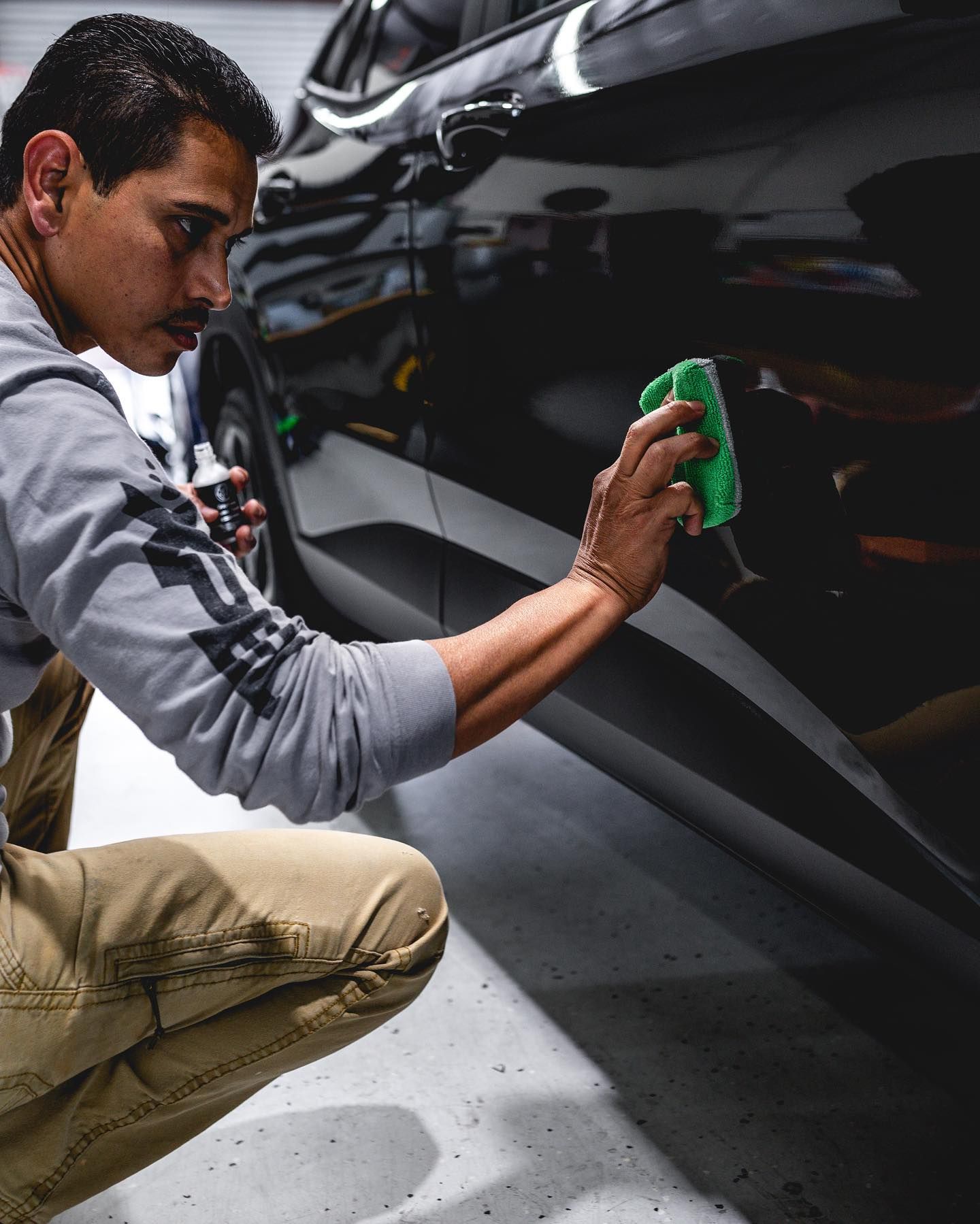
The ceramic coating you've carefully applied is only as good as how well you maintain it afterward. Immediate care plays a crucial role right from the start. Letting your car cure in a clean, dust-free space for 24 to 72 hours without any water exposure is the foundation of lasting protection. Even a small amount of moisture or dirt during this window can interrupt the curing process. Once past that sensitive stage, long-term maintenance becomes essential for durability. Using pH-neutral shampoos designed specifically for ceramic coatings is important because harsh detergents strip away the protective layer gradually. Regular washing with appropriate products, combined with proper drying techniques using plush microfiber towels, helps preserve the coating's integrity.
Avoiding aggressive cleaners or extended contact with tar removers and bug sprays helps preserve the coating's molecular structure. These chemicals can break down hydrophobic properties, the very characteristic that repels water and dirt. Quarterly applications of booster sprays specifically formulated for ceramic coatings help replenish gloss and restore the slippery surface quality that prevents dirt buildup.
Your Trusted Partner for Superior Ceramic Coating
Whether you're looking to protect a new vehicle or restore the shine to your current one, proper surface preparation combined with
quality ceramic coating provides unmatched protection against Fair Oaks, California's intense sun and environmental challenges. The investment in professional preparation pays dividends through years of easier maintenance, enhanced appearance, and preserved vehicle value. Ready to experience the difference that expert surface preparation makes? Contact Wet Paint Auto Detailing to
schedule your ceramic coating service. Our team takes pride in delivering remarkable results that exceed expectations, ensuring your vehicle maintains its showroom appearance for years to come!