Choosing the Best Tint Shade for Your Car Windows: Benefits and Tips
August 20, 2025
Auto window tinting has evolved far beyond a simple aesthetic upgrade. For vehicle owners in Roseville, Rocklin, Lincoln, and surrounding areas, selecting the right tint shade represents a crucial decision that impacts comfort, safety, and vehicle longevity. The shade you choose affects everything from interior temperature control to nighttime visibility, making it essential to understand your options before committing to a particular tint level.
Why Window Tinting Matters for Your Vehicle
When considering window tinting for your vehicle, the benefits extend well beyond the sleek appearance it provides. Professional window tinting serves as a comprehensive protection system for both you and your vehicle's interior. The primary advantage of quality window tinting lies in its ability to protect against harmful ultraviolet rays. These invisible rays cause significant damage over time, contributing to skin concerns for drivers and passengers while simultaneously degrading your vehicle's interior surfaces. Premium window films can block nearly all harmful UV radiation, preserving your dashboard, seats, and other interior components from premature fading and cracking. This protection proves especially valuable in California's sunny climate, where vehicles face intense sun exposure throughout the year.
Heat reduction represents another crucial benefit that directly impacts your daily driving experience. Professional window tinting can significantly reduce interior temperatures, creating a more comfortable environment even when your vehicle sits in direct sunlight. This temperature control means less reliance on air conditioning systems, which translates to improved fuel efficiency and reduced wear on your vehicle's cooling components. Quality window tints can reduce interior heat substantially, with some premium options cutting heat gain by more than half. The visibility and safety aspects of window tinting require careful consideration as well. While darker tints provide excellent privacy benefits, finding the right balance ensures you maintain proper visibility during nighttime driving and adverse weather conditions. Professional installers understand these nuances and can recommend appropriate tint levels that maximize privacy without compromising safety.
Understanding Legal Requirements in California
California maintains specific regulations regarding window tinting that every vehicle owner must understand. These laws exist primarily to ensure driver visibility and road safety for all motorists. The state requires front side windows to maintain high levels of visible light transmission, typically allowing significant light to pass through. This requirement ensures drivers maintain clear peripheral vision and can safely navigate various driving conditions. The reasoning behind these regulations focuses on preventing accidents caused by reduced visibility. Excessively dark tints can create dangerous blind spots and impair depth perception, particularly during dawn, dusk, or nighttime driving. While darker tints offer superior privacy and heat reduction, they must balance these benefits with maintaining safe driving conditions.
Reflective or metallic tints face additional restrictions in California. Excessive reflectivity can create dangerous glare for other drivers, potentially causing accidents or discomfort. Even if your tint darkness falls within legal limits, choosing films with appropriate reflectivity levels remains essential for compliance and safety. Some drivers may qualify for medical exemptions allowing darker tints due to specific health conditions. These exemptions require proper documentation from licensed medical professionals and sometimes official permits from transportation authorities. Such provisions ensure that individuals with genuine medical needs receive appropriate accommodations while maintaining overall road safety standards. Compliance with tinting laws extends beyond avoiding fines. Proper tint levels directly influence accident prevention and can affect insurance claims if improper tinting contributes to an incident. Professional installation from experienced technicians familiar with local regulations helps ensure your vehicle remains compliant while maximizing the benefits of window tinting.
Types of Window Tint Materials Available
The window tinting industry offers several distinct film types, each providing unique benefits suited to different priorities and budgets. Understanding these options helps you make an informed decision that aligns with your specific needs. Ceramic window films represent the premium option in today's market. These advanced films use microscopic ceramic particles to achieve exceptional heat rejection without interfering with electronic signals. This technology means your GPS, cell phone, and radio signals remain unaffected while you enjoy superior heat and UV protection. Ceramic tints maintain their appearance and performance for many years without fading or bubbling, making them an excellent long-term investment for discerning vehicle owners.
Carbon window films offer a more budget-conscious alternative while still providing substantial benefits. These films deliver good heat rejection and feature an attractive matte finish that resists fading over time. While they may not match ceramic films' peak performance, carbon tints strike an appealing balance between cost and functionality, particularly for drivers seeking both style and thermal comfort. Metallic window films incorporate tiny metal particles designed to reflect sunlight effectively. These films excel at reducing glare and can provide very good heat rejection. However, the metal content can potentially interfere with electronic signals, which may prove problematic for drivers who rely heavily on GPS navigation or maintain constant cellular connectivity. This trade-off requires careful consideration based on your technology usage patterns. Each material type brings distinct advantages that suit different driving needs and preferences. Your choice should reflect your priorities regarding heat rejection, signal clarity, longevity, and budget constraints.
Selecting Between Light and Dark Tint Shades
The decision between lighter and darker tint shades significantly impacts your driving experience in multiple ways. Darker tints, which allow minimal light transmission, create strong privacy barriers and excellent heat reduction. These deeper shades prove particularly valuable for drivers who frequently park in exposed areas or desire maximum interior privacy. The heat rejection capabilities of darker tints can transform your vehicle's comfort level during hot summer months. However, darker tints require careful consideration regarding nighttime visibility. Reduced light transmission can make it challenging to spot pedestrians, read street signs, or notice subtle changes in traffic patterns after sunset. This visibility reduction becomes particularly noticeable on poorly lit roads or during inclement weather conditions.
Lighter tint shades provide a different set of advantages that many drivers find appealing. These films typically allow much more light to pass through while still offering meaningful benefits. The increased transparency maintains excellent visibility during all driving conditions while providing moderate heat and glare reduction. Light tints deliver a subtle, sophisticated appearance that complements most vehicle colors without dramatically altering the car's original aesthetic. The visibility advantages of lighter tints become especially apparent during dawn, dusk, and nighttime driving. The minimal impact on light transmission means you maintain clear sightlines and depth perception, contributing to safer driving experiences. Additionally, lighter tints rarely face legal challenges, as they typically fall well within state regulations for visible light transmission. Medium-range tints often represent the optimal compromise for many drivers. These shades provide meaningful heat and glare reduction while maintaining good visibility for safe nighttime driving. This balanced approach satisfies both comfort and safety requirements without pushing legal boundaries.
Important Factors in Your Tinting Decision
Several key factors should guide your window tinting selection to ensure you choose the option that best serves your needs. Your primary purpose for tinting plays a crucial role in determining the appropriate shade and material. Whether you prioritize heat reduction, privacy enhancement, UV protection, or aesthetic improvement will direct you toward specific tinting solutions. Budget considerations naturally influence your options, but viewing window tinting as an investment rather than an expense provides better perspective. Higher-quality films may require greater initial investment but often deliver superior longevity and performance that justify the cost over time. Professional installation also represents a worthwhile investment, as proper application ensures maximum film performance and longevity.
Your local climate and typical driving patterns significantly impact the ideal tinting choice. Drivers in consistently hot regions benefit from darker shades and premium heat-rejecting materials. Conversely, those who frequently drive at night or in variable weather conditions should prioritize maintaining good visibility with lighter tints that still offer meaningful protection. The specific characteristics of your vehicle also matter. Larger windows may benefit from slightly darker tints to achieve desired privacy levels, while smaller windows might achieve similar effects with lighter shades. Your vehicle's existing glass properties, including any factory tinting, should factor into your decision to avoid creating overly dark combinations.
Finding Your Ideal Window Tint Balance
Achieving the perfect window tint involves balancing multiple considerations to create an optimal driving experience. The ideal tint shade harmonizes visibility requirements with comfort preferences while respecting legal limitations and budget constraints. For drivers prioritizing maximum heat rejection and privacy, darker ceramic tints provide unmatched performance. These premium options excel in hot climates where interior temperature control significantly impacts comfort. The investment in high-quality ceramic films pays dividends through reduced air conditioning usage and superior interior protection.
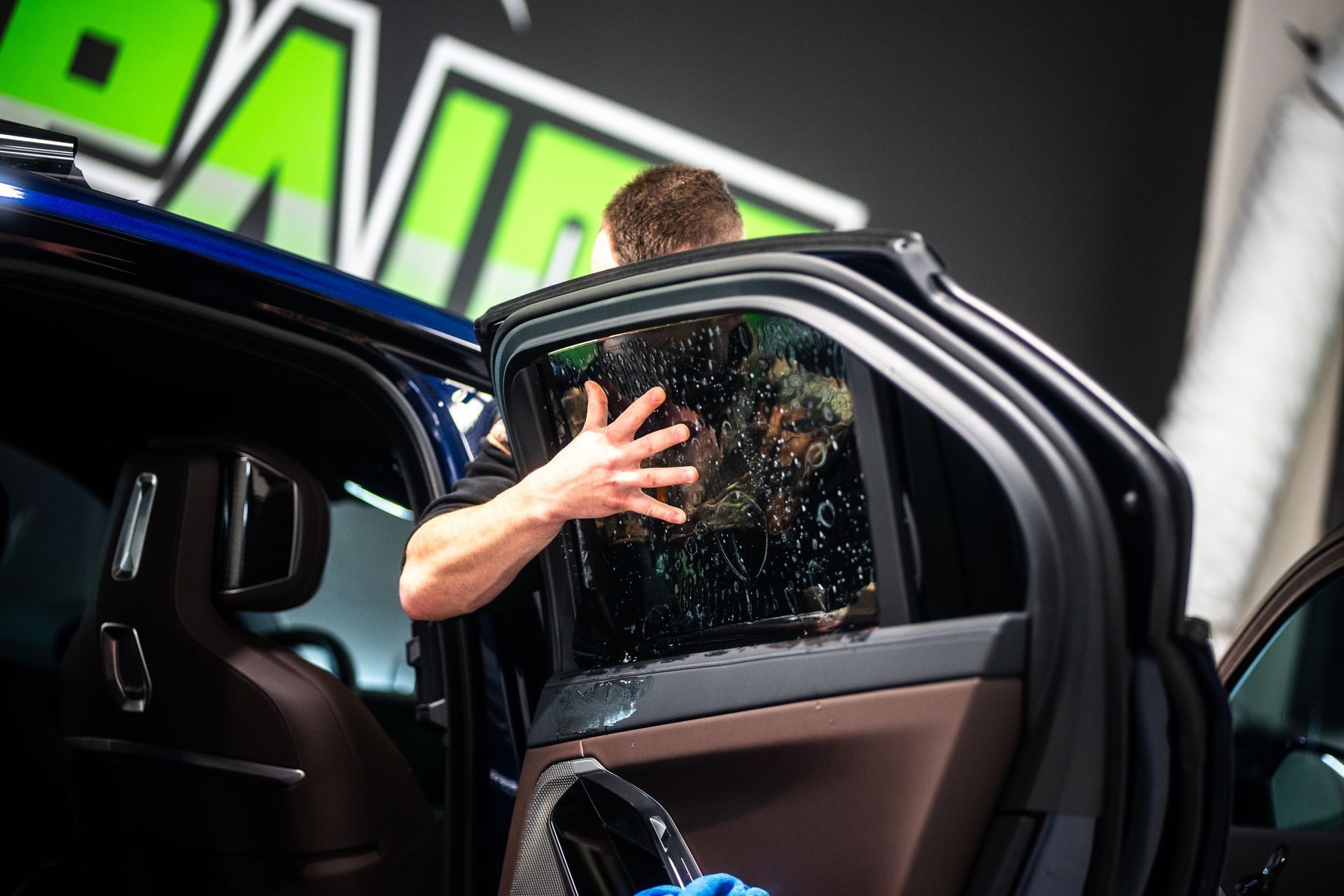
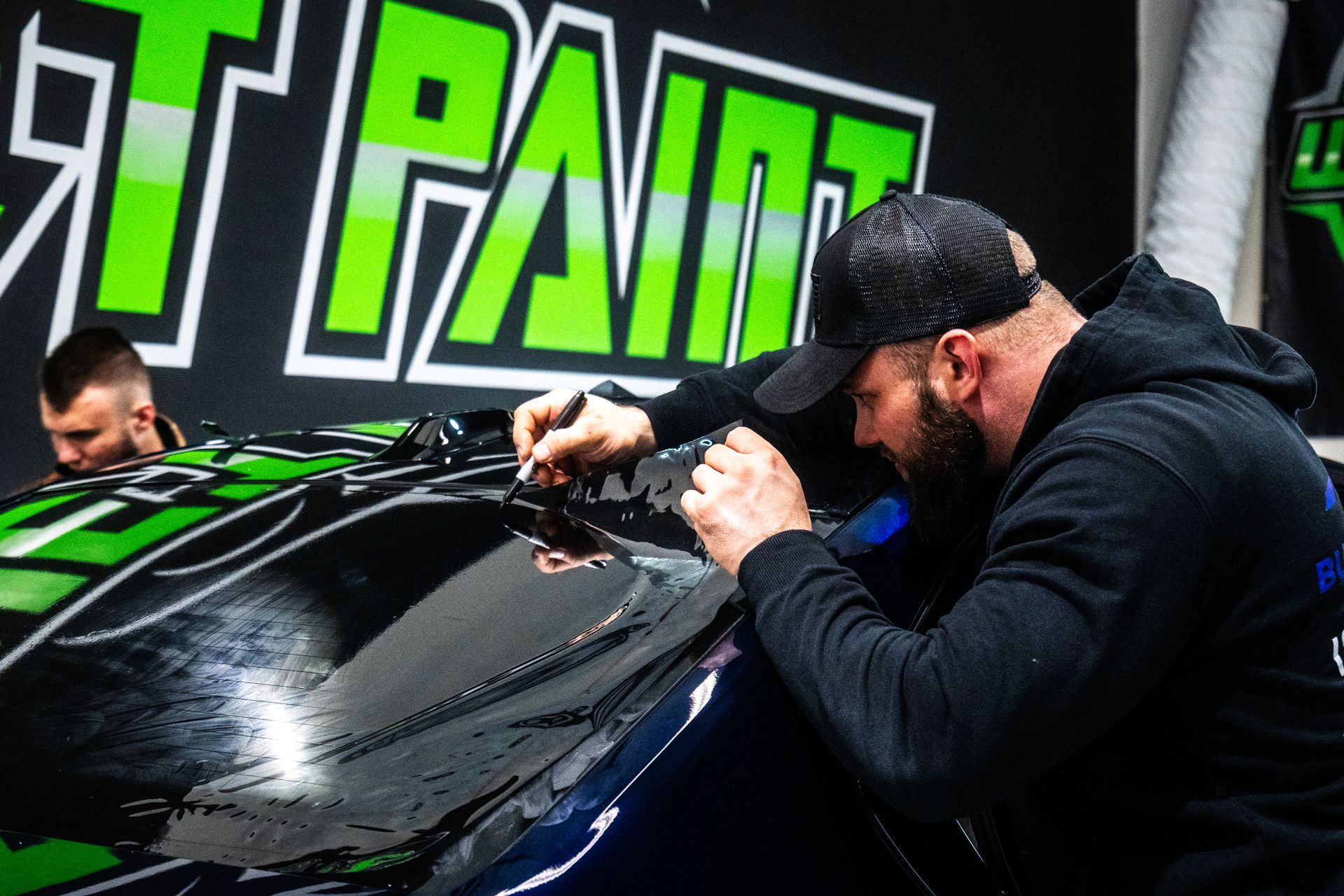
Those seeking a versatile solution often find medium-range tints ideal. These shades provide substantial heat and glare reduction while maintaining confidence during nighttime driving. This balanced approach satisfies most drivers' needs without requiring significant compromises in any particular area. Professional consultation proves invaluable when making your final decision. Experienced installers can demonstrate various tint shades on actual vehicles, helping you visualize how different options will look and perform on your specific car. They also ensure proper installation that maximizes film longevity and maintains manufacturer warranties. The quality of installation matters as much as the film selection itself. Professional installers possess the expertise to apply films without bubbles, creases, or gaps that compromise both appearance and performance. Their knowledge of local regulations also ensures your vehicle remains compliant while achieving your desired results.
Top-Notch Window Tinting Services in Orangevale, CA
At Wet Paint Auto Detailing, we understand that choosing the right window tint requires expert guidance and professional installation. Our team of skilled professionals brings years of experience in helping vehicle owners in Orangevale, CA find their perfect tinting solution. Transform your driving experience with professional window tinting that combines style, comfort, and protection. Schedule your consultation and discover how the right window tint can enhance your vehicle's performance and appearance while providing years of reliable protection!