Window Tinting Features: Top Benefits That Improve Driving Comfort
September 20, 2025
Window tinting might seem like just a way to make your car look cooler, but it actually does a lot more. Beyond the sleek appearance, quality tinting can transform how comfortable and safe you feel while driving every day. From cutting down heat and glare to protecting your skin and easing eye strain, the right window film can change even the hottest, brightest drives into a much more pleasant experience. Understanding these key benefits can help you make an informed decision about investing in professional window tinting for your vehicle.
Understanding Quality Window Tinting
When we talk about quality window tinting, it's not just about picking a film that looks good on your windows or car. The true value lies in its durability and how well it performs over time. A lower-quality tint might seem like a bargain at first, but those films often start peeling, bubbling, or discoloring within months or a few years. This deterioration doesn't just spoil the appearance; it actively reduces the tint's ability to block heat and harmful UV rays, leaving you exposed to fading interiors and discomfort during sunny days. The underlying technology in premium films is what sets them apart. Advanced multilayer optical films use construction involving multiple ultra-thin layers designed to reflect and reject a substantial percentage of solar energy without making your windows look noticeably dark. This means you get the best of both worlds: a cooler cabin without sacrificing visibility or aesthetics. Beyond heat rejection, these films provide consistent UV protection that can prevent skin damage and preserve your vehicle's upholstery for years.
Another major benefit of choosing quality tinting lies in longevity. High-grade films can often last a decade or longer if installed correctly and cared for properly. This extended lifespan translates into tangible savings because you avoid repeated costs for replacement or repairs. Moreover, dependable films usually come with warranties that back up their promises, something you rarely get with cheaper alternatives. For those considering tinting today, it's wise to prioritize products known for advanced technologies, such as nanotechnology-enhanced films that provide superior performance by adapting to changing conditions while minimizing glare without causing excessive darkness.
Variety of Shades and Film Types
Choosing the right shade and type of film might seem overwhelming at first because there's a surprising variety on the market. Each type comes with its set of advantages and trade-offs, so knowing the differences can save you from buyer's remorse and help you enjoy your driving experience fully. Ceramic films stand out as the premium choice today. They block up to 92% of infrared heat while maintaining crystal-clear visibility, which means your car stays cooler without that dark, cave-like look some tints have. Plus, they block nearly all UV rays, protecting both your skin and your upholstery from sun damage. Unlike metalized films, ceramics don't interfere with GPS or Bluetooth signals, an increasingly important feature as cars become more connected.
On the other end are dyed films, known for their deep, rich color and aesthetic appeal. However, they offer minimal heat rejection and UV protection compared to ceramic or metalized options. That makes them suitable mostly where budget is a priority over performance or in climates with moderate sunlight. Still, their rich tint adds privacy and blocks glare effectively. Metalized films excel at cutting down heat because tiny metallic particles reflect infrared rays. But this strength comes with a downside: these particles can disrupt electronic signals inside your vehicle. GPS navigation, radio reception, and mobile data connectivity can suffer. If you rely heavily on your car's electronics, alternatives might be better. Hybrid films blend the benefits of dyed and metalized layers, providing improved heat rejection without compromising signal clarity too much. For drivers seeking a balanced option without breaking the bank, hybrids offer a sensible middle ground.
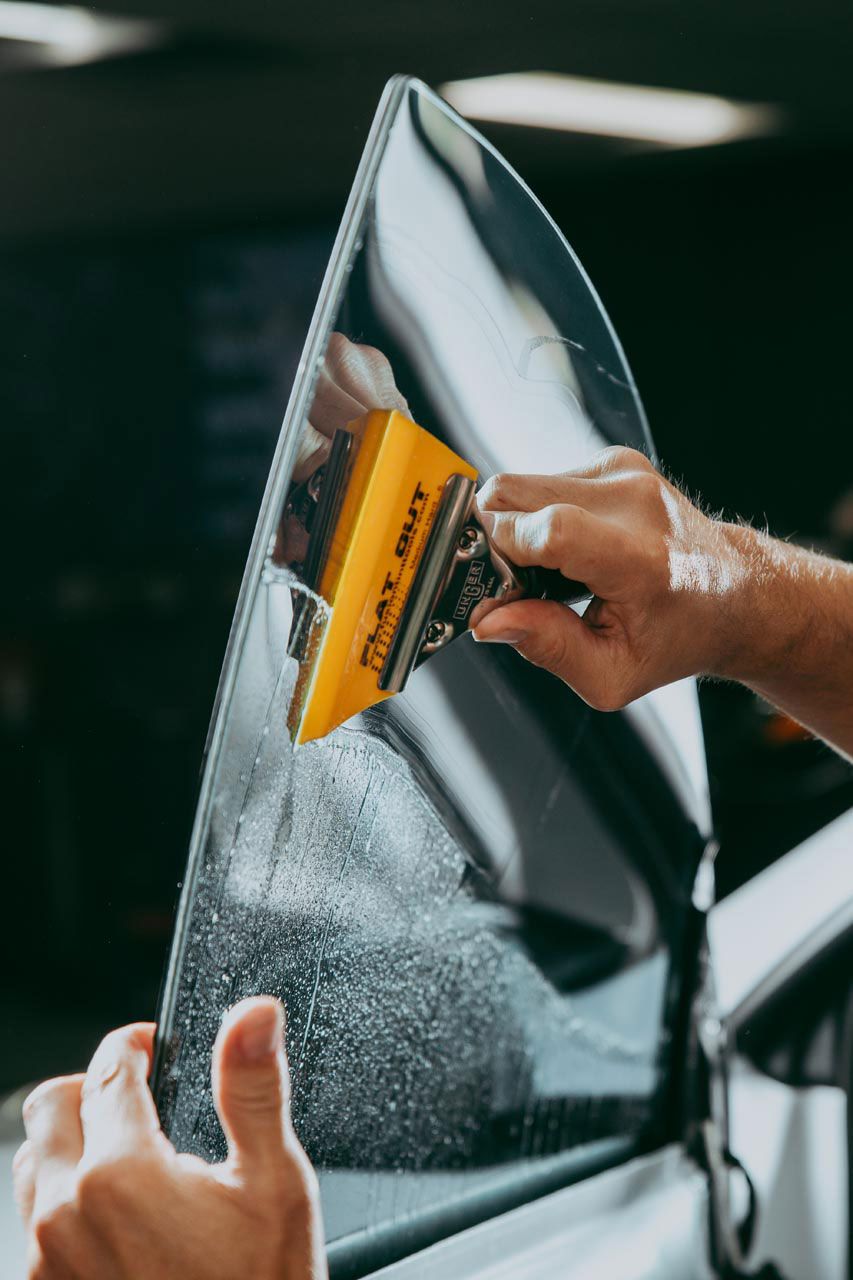
Reducing Heat and Sun Glare
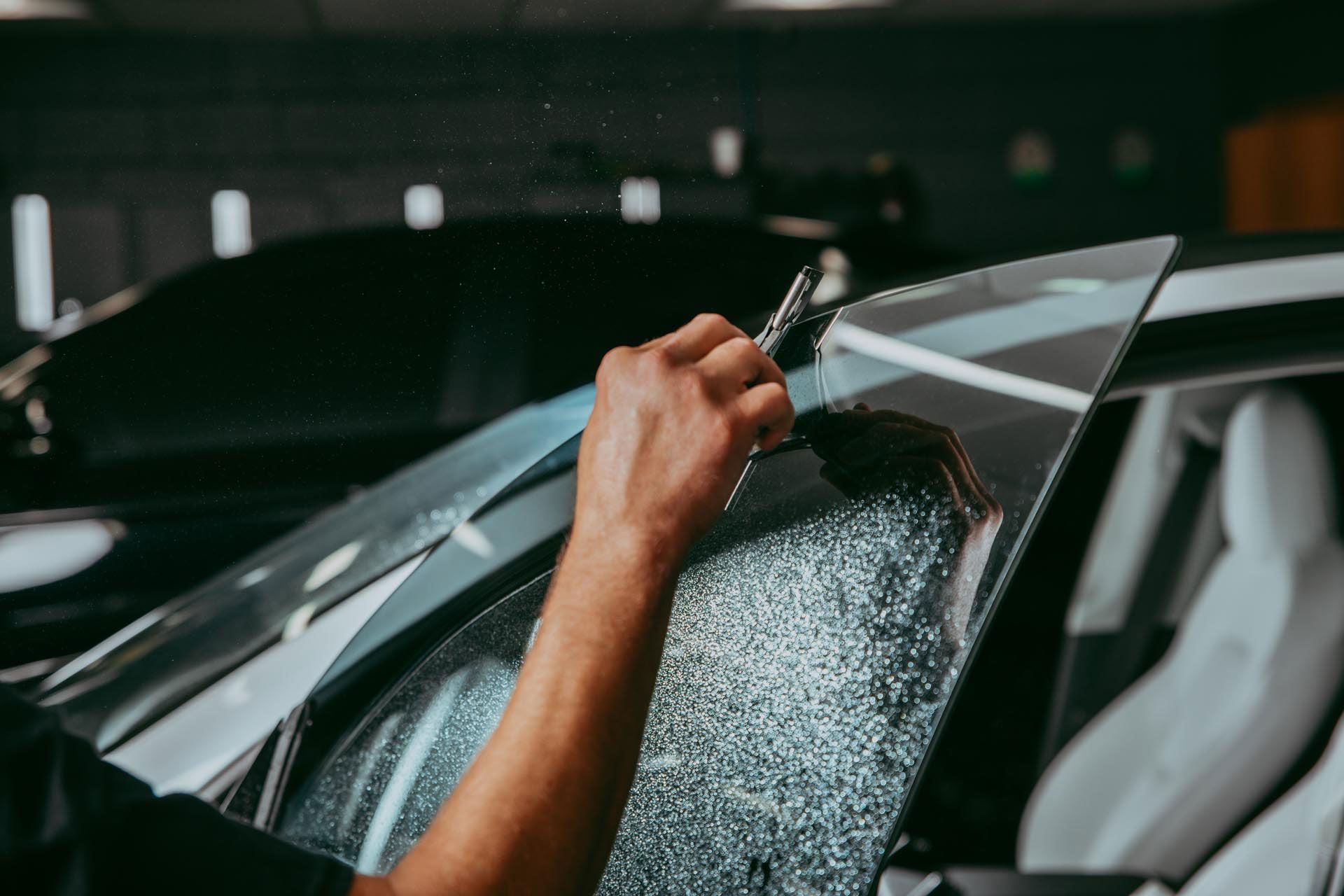
The sun's heat doesn't just make your car uncomfortable; it can turn your vehicle into an oven. Tinted windows act like sunglasses for your car, absorbing and reflecting much of the sun's infrared radiation before it turns into unbearable heat inside. High-quality tints using ceramic or carbon technology can reduce interior temperatures by nearly 40 degrees Fahrenheit on a hot day, which can mean the difference between stepping into a scorching space or a pleasantly cool cabin. This reduction directly translates into less reliance on air conditioning and better fuel efficiency, saving you money in the long run. Beyond comfort, blocking this heat helps protect your car's upholstery and dashboard from cracking or fading due to constant exposure to ultraviolet and infrared rays. Quality films can block over 99% of UV rays and up to 93% of infrared rays, combining protection with clear visibility so you're not trading comfort for safety.
Glare is more than just an annoyance; it poses real risks behind the wheel. Blinding sunlight reflecting off wet roads, other vehicles, or shiny surfaces can momentarily impair your vision and reaction time. Tinting cuts down on this glare by up to 90%, dramatically easing eye strain and fatigue during long drives. Quality window films smooth out these visual challenges, allowing safer, more relaxed driving. Studies have shown that tinted windows can reduce fatal crashes related to sun glare by improving driver visibility and decreasing distraction caused by bright light. This improved visibility enhances focus and confidence, essential traits on busy highways or while navigating tight streets.
Enhanced Visibility and Safety
The idea that window tinting simply darkens your view is outdated. Today's advanced films are designed to improve what you see out the windshield and side windows by reducing distracting glare from the sun, headlights, and reflective surfaces. Properly applied window films can improve visibility by 3-4%, a small margin that can have outsized effects when traveling at highway speeds or during sudden changes in light conditions. This improvement mainly comes from the film's ability to moderate intense brightness without overly dimming surroundings. During night driving, for instance, incoming headlights often create blinding spots that force you to squint or shift your gaze repeatedly. Window tint effectively softens these harsh lights, reducing eye strain and fatigue that can accumulate on long drives. The more relaxed your eyes feel, the faster your brain can process information, which is crucial for timely decisions behind the wheel.
Another subtle but vital safety feature lies in the film's reinforcement of glass integrity. High-quality window tints include shatter-resistant layers that hold shards together if the glass breaks upon collision or impact. This reduces injury risk from flying glass and helps maintain driver control by preventing sudden distractions or panic caused by shattered windows. When combined, these benefits serve as a comprehensive upgrade to everyday driving safety. Improved visual clarity lowers reaction times in tricky conditions like rain or fog, while reduced UV exposure safeguards long-term eye health.
Protection from UV Rays and Privacy Benefits
One often overlooked benefit of window tinting is its ability to block ultraviolet rays. These rays are invisible to the naked eye but can cause significant damage over time, both to your skin and your vehicle's interior. Top-quality window tints boast blocking capabilities that reach up to 99% of UV radiation. This level of protection acts as an invisible shield between you and the sun's harshest rays every time you get behind the wheel. This drastic reduction in UV exposure isn't just about comfort; it's a serious health measure. According to skin cancer experts, consistent exposure to UV radiation increases your risk for melanoma and other skin cancers substantially. UV rays also accelerate skin aging by breaking down connective tissue, leading to wrinkles and discoloration, a reality drivers face more often than they realize given the hours spent in their cars daily.
Modern window tinting films also create a shield of privacy by dramatically reducing visibility into your car's interior. This isn't just about keeping nosy onlookers out of your business; it can also be a vital deterrent against theft. When valuables inside your car are hidden from view, the temptation for opportunistic thieves decreases substantially. Today's tint films do much more than darken glass; they also reinforce it through special layers that bind shattered glass fragments together if broken.
Environmental Impact and Long-Term Benefits
Window tinting reduces reliance on your vehicle's air conditioning system by blocking a substantial amount of solar heat before it penetrates your car's interior. By keeping the cabin cooler naturally, you don't have to blast the AC as often or as hard, which directly lessens fuel consumption. Studies show that reducing AC use can boost fuel efficiency by as much as 10%, a meaningful number for anyone mindful of gas mileage. The air conditioning system in most vehicles runs on power drawn from the engine. The harder your AC compressor works, the more fuel your vehicle uses, causing more emissions to pour out of the tailpipe. Every time your tinted windows help lower AC demand, they're also easing the burden on those components and cutting down harmful greenhouse gases. Over a car's lifetime, this could add up to thousands of pounds of reduced carbon dioxide.
Tinted windows do more than cool you off; they make your vehicle more efficient and environmentally friendly. Less strain on the AC means fewer trips to gas stations and less frequent repairs or replacements of HVAC parts, extending their useful life. This cascade effect saves resources and energy across several fronts. For drivers living in areas with intense sun exposure, especially places like California's Central Valley, investing in high-quality tint films is a practical step toward greener driving.
Trusted Window Tinting Services in Lincoln, CA
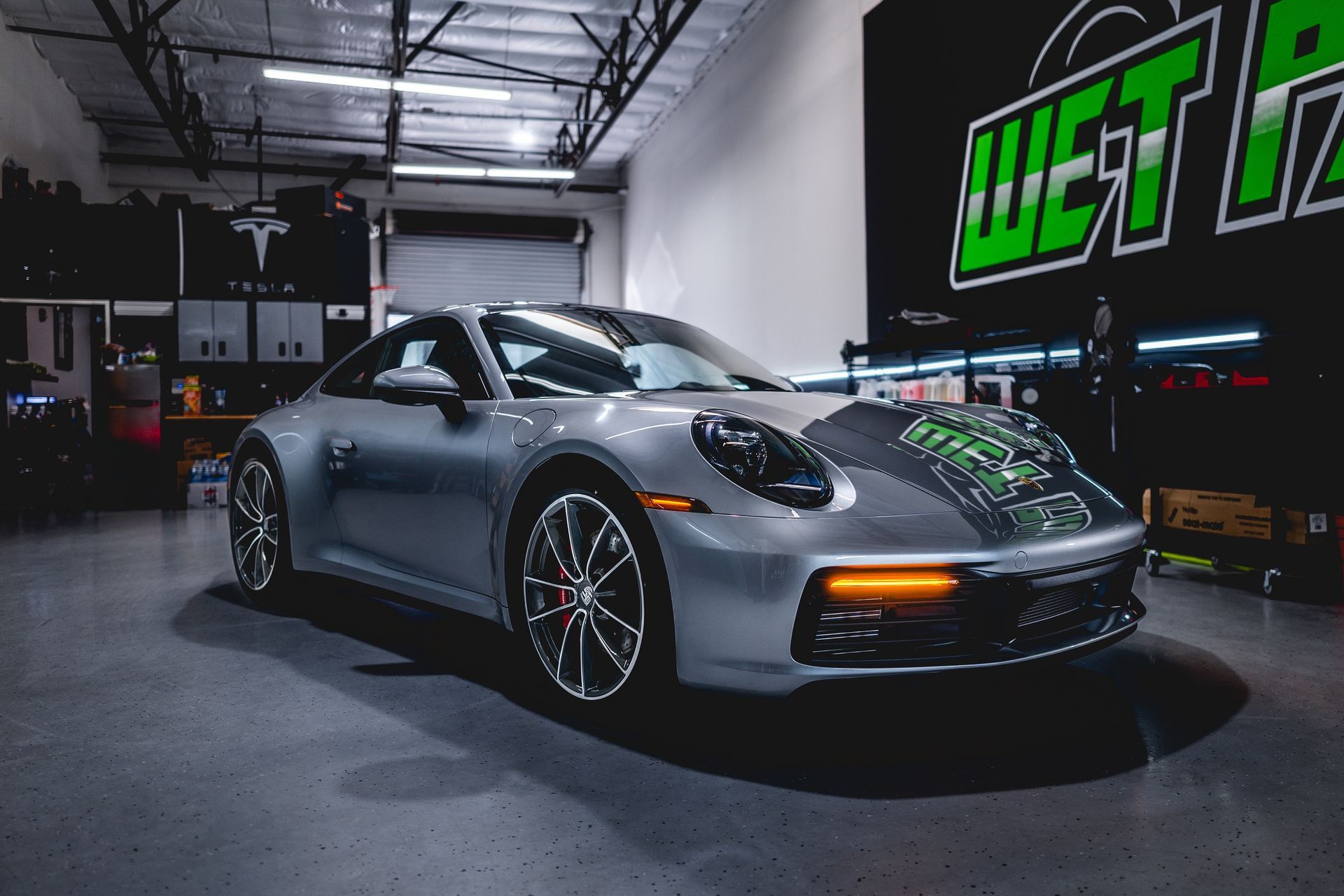
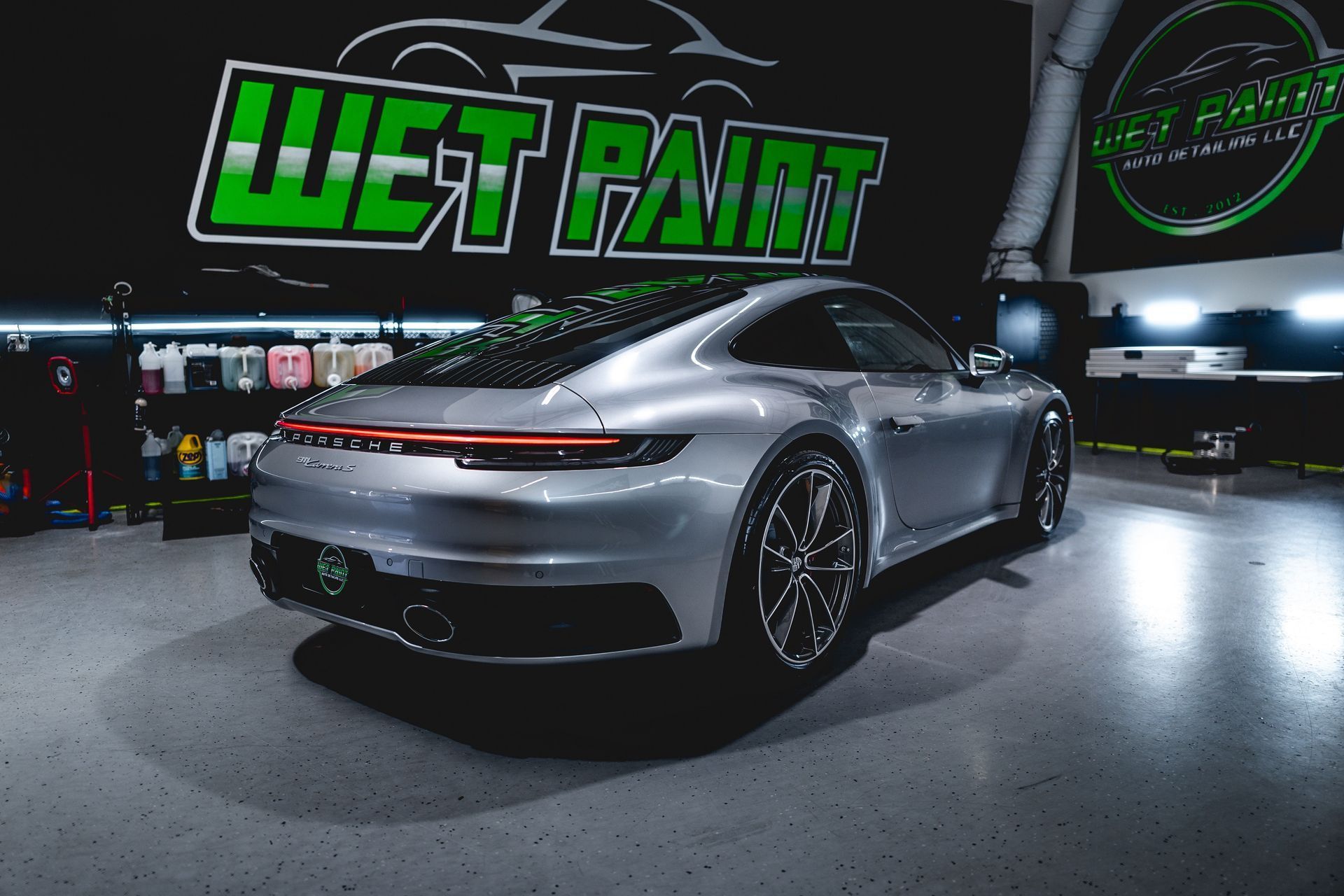
Upgrade your driving experience with Wet Paint Auto Detailing’s
premium window tinting services in Lincoln, CA. Our professionally applied tint films provide a clean and refined appearance while delivering notable heat reduction, UV protection, and increased privacy for your vehicle. With high-quality materials and careful installation, we ensure a smooth and long-lasting finish that supports both comfort and interior preservation. Protect your vehicle and enjoy a cooler, more enjoyable ride.
Schedule your window tinting service today!