The Science Behind Ceramic Coating: Understanding Its Technology and Effectiveness
July 14, 2025
Ceramic coatings have become a popular choice for car owners who want to keep their vehicles looking fresh without spending hours waxing and polishing. But what exactly makes these coatings so different from traditional products? The answer lies in the science behind how they work, forming a tough, invisible shield that bonds deeply with your car's paint. Understanding this technology can help you see why ceramic coatings offer benefits that go beyond just gloss and shine, making vehicle care easier and more effective over time.
How Ceramic Coatings Work
At the heart of ceramic coatings lies a fascinating blend of chemistry and materials science. These coatings primarily consist of silicon dioxide (SiO₂) or titanium dioxide (TiO₂) nanoparticles suspended within a liquid polymer resin. When applied to a car's surface, this mixture undergoes a chemical transformation that creates an ultra-thin but robust layer that provides exceptional protection. The technology operates at the molecular level. Unlike traditional waxes or sealants that simply sit on top of the paint, ceramic coatings establish a covalent bond with the vehicle's factory paint. This means the molecules in the coating chemically interact with the molecules in the paint, fusing together in a way that is much stronger and more durable than physical adhesion alone. This strong bond grants ceramic coatings their renowned hardness, providing substantial resistance against minor surface damage and environmental contaminants.
Silicon dioxide serves as the backbone of the coating, creating a transparent, glass-like compound that forms a hard, durable shell over your vehicle's paint. This component delivers that deep gloss drivers desire without needing constant polishing. When properly applied, the surface feels remarkably smooth, almost as if the paint has been sealed beneath a thin layer of tempered glass. Titanium dioxide plays an equally vital role by blocking harmful ultraviolet rays. UV exposure causes paint to fade and oxidize over time, dulling the vibrant colors you work hard to maintain. This component acts as a sunscreen for your car's finish, dramatically slowing down the fading process and extending the life of your paint job.
The Bonding Process
The key to ceramic coatings' impressive durability lies in how their molecules connect with your vehicle's paint. These coatings rely on a chemical process called siloxane bonding, where the coating molecules form strong connections directly with tiny imperfections and pores in the paint surface. You can think of it as a microscopic handshake, where the coating compounds lock into the paint at a molecular level rather than merely sitting on top like wax or sealants. During application, these particles flow into every microscopic detail of the clear coat layer. Throughout the curing phase, which takes roughly 24 to 48 hours under typical room temperatures, this liquid polymer hardens into an ultra-thin film. This layer is so fine and tightly bonded that it resembles a sheet of glass fused onto your car's surface.
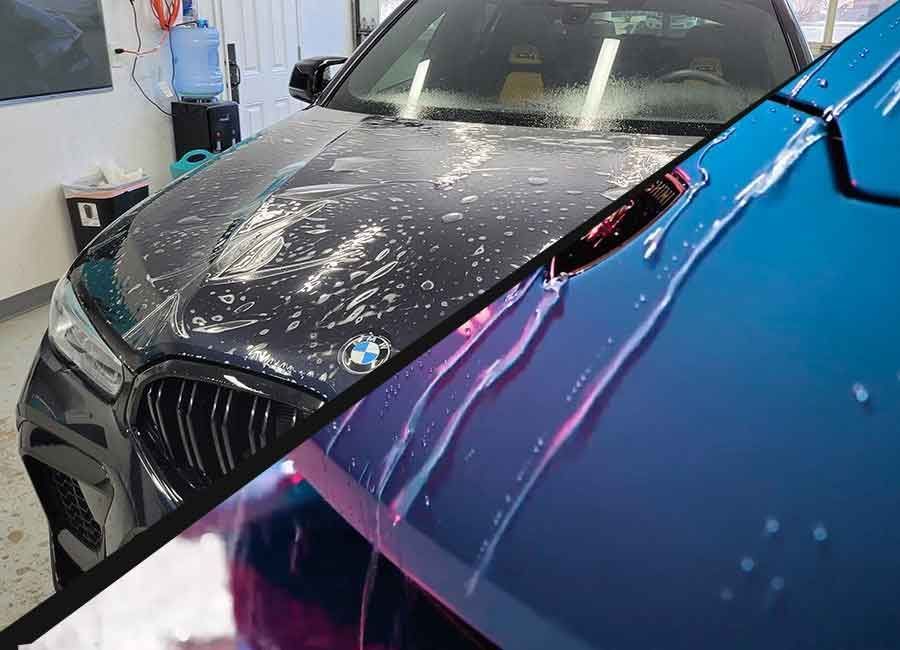
The hydrophobic nature created by this bond is another remarkable feature. The cured coating creates surfaces where water beads up and slides off easily, carrying dirt and grime along for the ride. This simplifies cleaning and reduces how often washing is needed. Moreover, these coatings exhibit excellent chemical resistance, withstanding exposure to acidic or alkaline substances without significant degradation. This resilience extends to UV radiation as well, preventing fading and oxidation of your vehicle's paint.
Advantages Over Traditional Protection Methods
Ceramic coatings deliver benefits that traditional waxes simply cannot match, starting with their impressive durability. While typical wax might last anywhere from a few weeks to a couple of months, ceramic coatings are engineered to provide protection lasting several years. The longevity of ceramic coatings is due to the chemical bond they form with the paint surface. Unlike waxes that sit on top and wash away easily, ceramic coatings meld with your vehicle's paint, creating a shield built to endure harsh conditions.
The hydrophobic qualities of ceramic coatings transform regular maintenance routines. When you apply a ceramic coating, you give your car a surface that water refuses to cling to. Instead, water beads into tight droplets and effortlessly rolls off, carrying dirt and contaminants with it. This effect drastically reduces how often you need to wash your vehicle since mud or grime has fewer opportunities to latch onto and bake into the paint. Beyond durability and water resistance, ceramic coatings deliver increased hardness that provides added resistance against minor surface imperfections. The result means your paint stays better protected from everyday wear, maintaining its pristine appearance far longer than with traditional wax treatments.
Professional Application Techniques
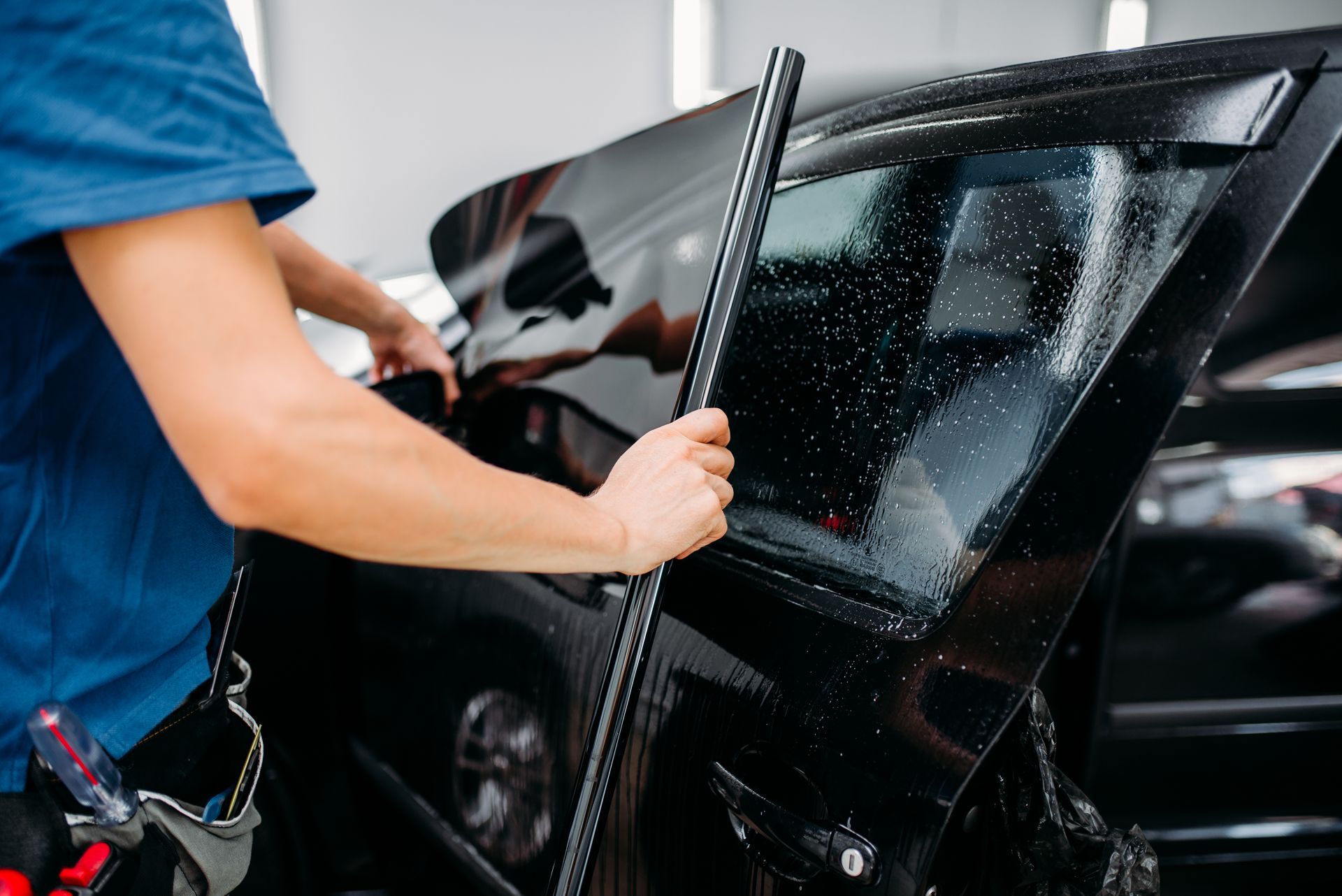
Applying ceramic coating demands precision and patience because every step in the process determines how well the coating bonds and performs over time. The most critical aspect is preparation, which involves washing your vehicle thoroughly with pH-neutral soap to remove everyday dirt and grime. Surface preparation goes beyond basic cleaning. Embedded contaminants like tree sap or brake dust require clay bar treatment to reveal a smoother, cleaner surface underneath. Paint correction through polishing ensures the vehicle's finish is showroom-ready before coating application. Once prepared, the surface must be completely free of oils or residues, often achieved using an isopropyl alcohol solution for that final clean slate.
The actual application requires a controlled environment with moderate temperature and humidity levels. Taking small sections ensures even product distribution without rushing. Using crosshatch motions (horizontal then vertical strokes) helps achieve consistent coverage and prevents thick patches that could haze later. Timing proves crucial during application. The coating needs to flash, reaching that brief window when the liquid begins changing its sheen but hasn't fully bonded yet. During this moment, excess residue must be gently buffed using a high-quality microfiber towel. This careful balance determines whether the finish appears glossy and smooth or dull and blotchy.
Maintenance Requirements
Maintaining a ceramic coating focuses on consistent care rather than constant effort. The protective layer is durable but requires attention to remain effective and retain that showroom gloss. Regular washes with pH-neutral shampoo are essential because harsh detergents or acidic cleaners can slowly wear down the ceramic layer, reducing its water-repellent qualities. Hand washing provides control over cleaning pressure and protects this valuable investment. While automatic car washes offer convenience, many use harsh brushes that gradually introduce micro-imperfections on the surface. These fine imperfections may not be immediately visible but diminish the coating's ability to repel dirt and water effectively over time.
A healthy maintenance routine typically includes thorough hand washing every two to four weeks. This frequency balances keeping contaminants from bonding with the ceramic layer while avoiding excessive contact. In harsher environments with heavy UV exposure, acid rain, or salted roads, more frequent care may be necessary. Occasional decontamination treatments prove invaluable. Using iron removers targets microscopic particles embedded in your paint that regular washing cannot remove. Clay bar treatments smooth out imperfections by lifting bonded contaminants without harsh contact. These steps maintain both the cosmetic appeal and functional integrity of the coating by preserving its smoothness and ensuring water beads off effortlessly.
Choosing the Right Coating for Your Vehicle
Selecting a ceramic coating requires considering your specific needs and driving conditions. For daily drivers navigating city streets, dealing with pollution, and parking in the sun, durability should be the primary focus. Higher concentrations of silicon dioxide in the formula often mean better longevity and stronger UV protection, guarding your paint against fading over time.
Climate plays a crucial role in coating selection. Harsh winter road salts can corrode paint quickly, while strong UV rays cause oxidation and discoloration. Many coatings offer resistance to these elements, but verifying their real-world effectiveness proves essential. Look for products offering added safeguards against salt corrosion or heat, features that can prevent costly repairs or premature repainting. Professional-grade coatings might last five years or more but come at premium prices when installed by detailers. Consumer-friendly options, while more affordable, generally offer protection for shorter periods and require meticulous surface preparation and maintenance to remain effective.
Professional Ceramic Coating Service in Newcastle, CA
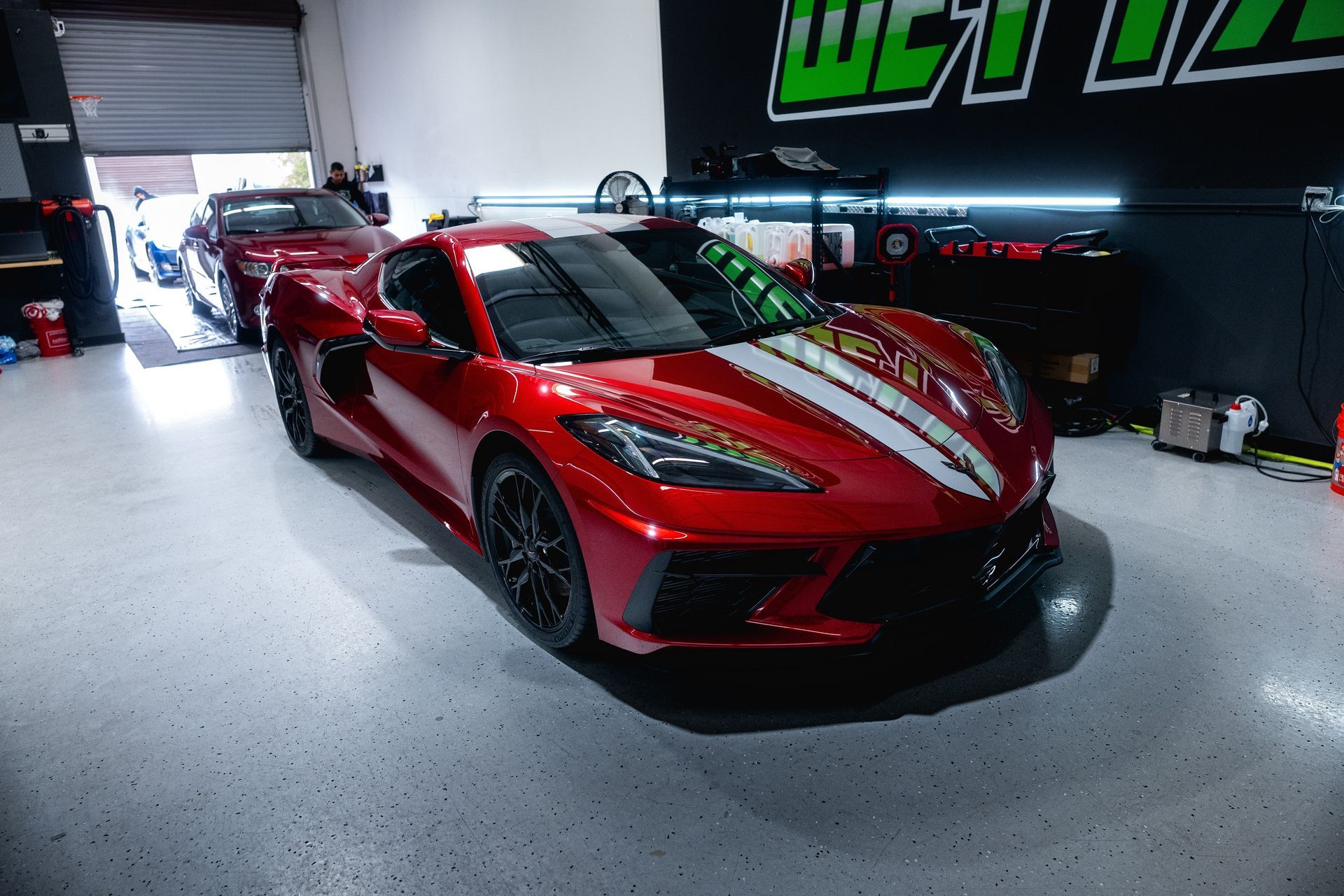
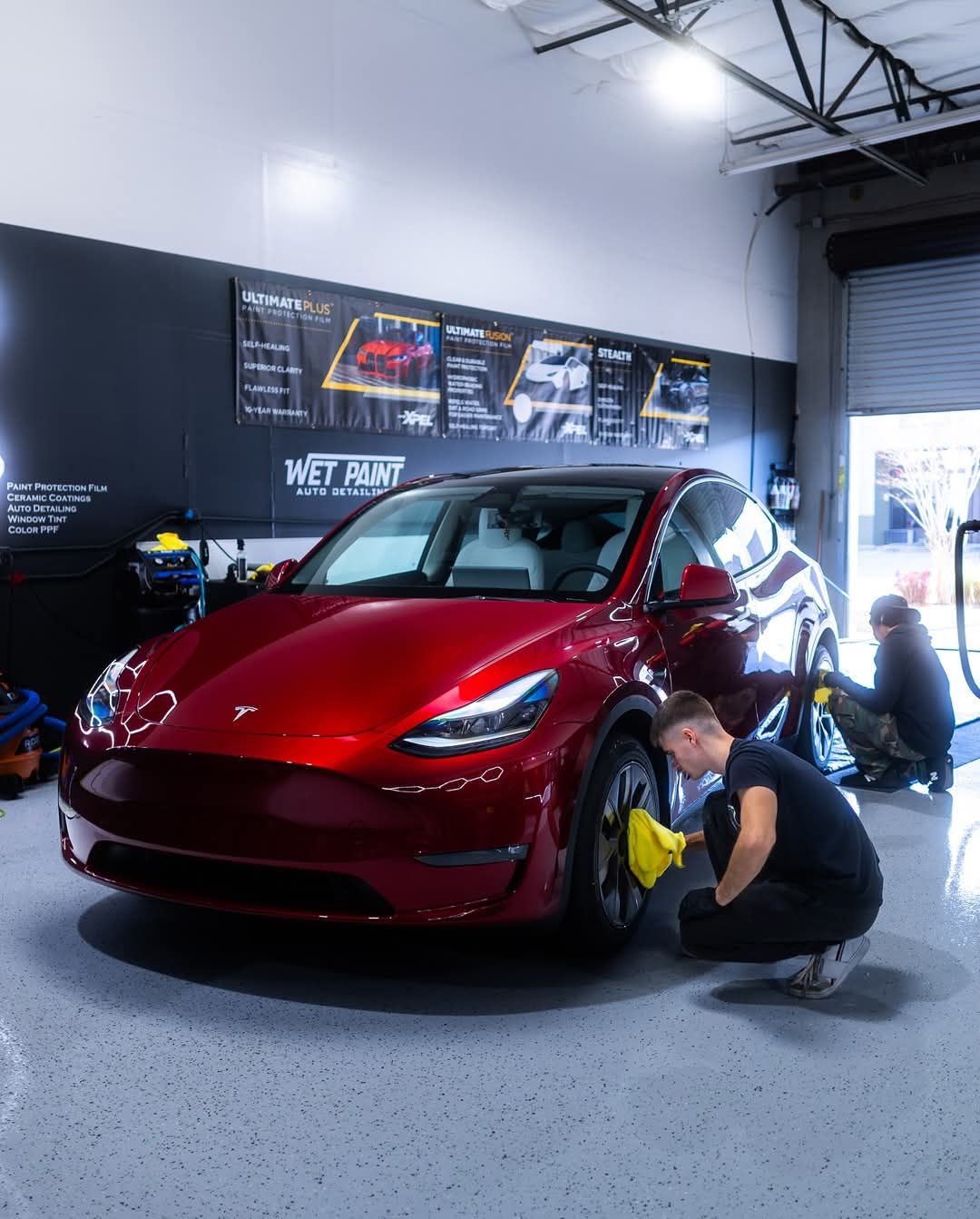
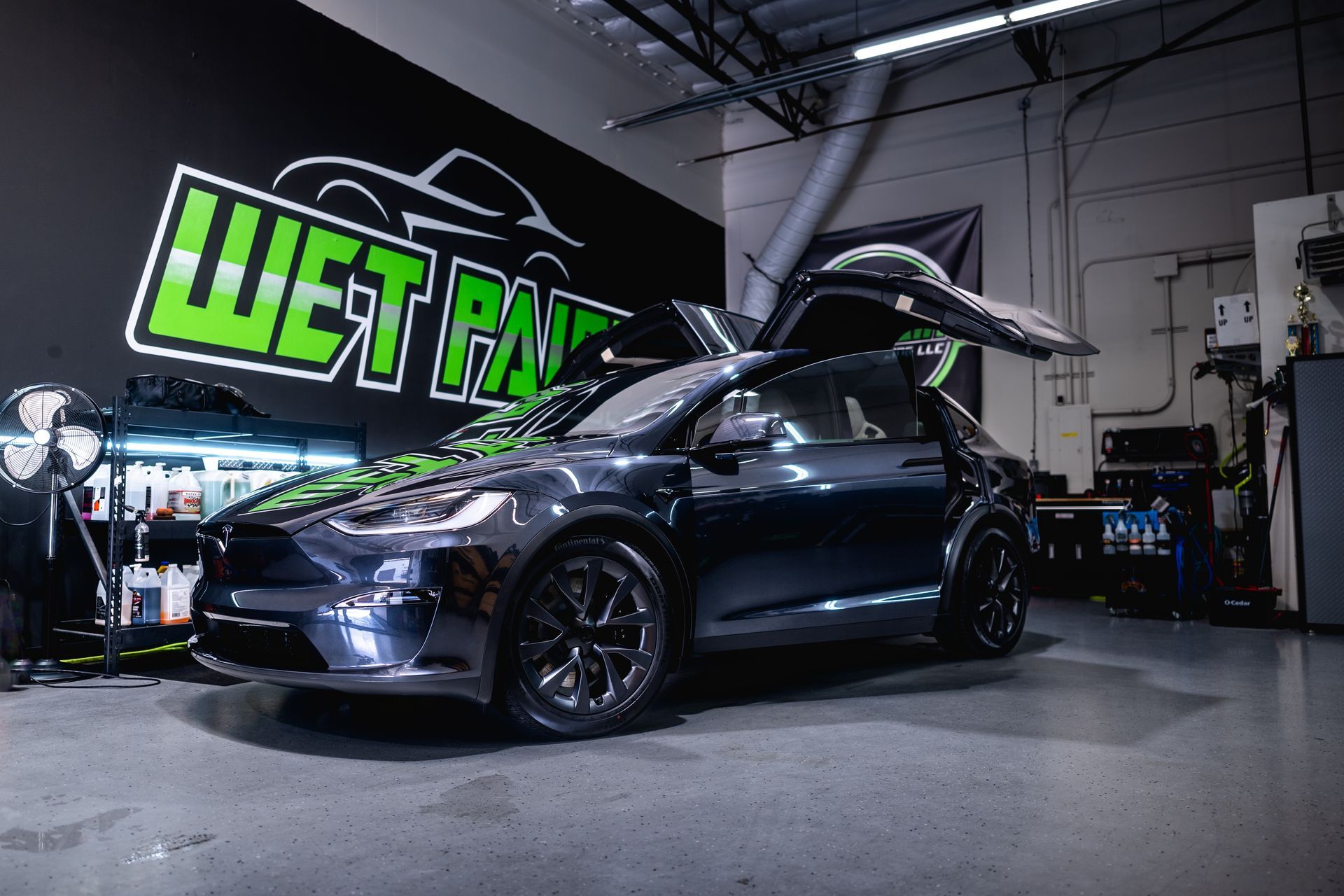
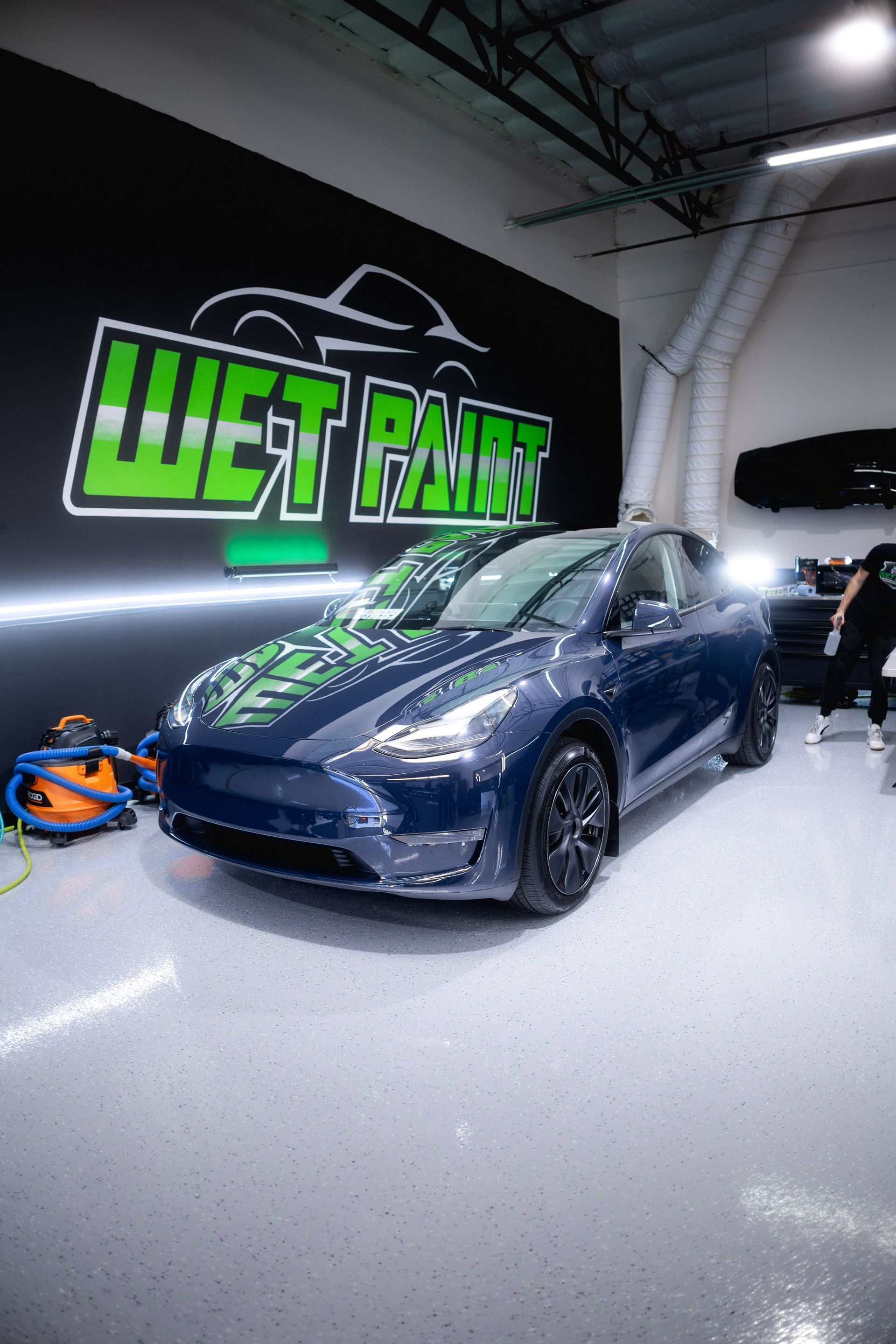
At Wet Paint Auto Detailing, we understand the science behind ceramic coatings and apply this knowledge to deliver exceptional results for vehicle owners in Newcastle, CA. Whether you're looking to protect a new vehicle or restore the shine to your current one, our ceramic coating service offers the perfect solution. We understand the unique challenges our Northern California climate presents, from intense summer sun to winter rains, and tailor our approach accordingly. Experience the difference professional ceramic coating installation makes.
Schedule an appointment with Wet Paint Auto Detailing today!