PPF Must-Have for Daily Drivers in Harsh Climates: Protect Your Vehicle's Paint
November 7, 2025
If you drive your car every day, especially in places with harsh weather, you probably notice how quickly dirt, scratches, and fading can sneak up on your paint job. It's frustrating watching your vehicle lose its shine from sun rays, road salt, or little chips from gravel. That's why many drivers are turning to paint protection film (PPF), an invisible shield that guards your car's paint so it stays looking newer longer, without constant touch-ups or stress. In this article, we'll explain what PPF really is, how it helps in tough climates, and why it might be the smart move for anyone who relies on their vehicle every single day.
Paint protection film is essential for daily drivers in harsh climates because it provides a durable, invisible shield that protects vehicle paint from UV rays, road debris, salt corrosion, and extreme weather conditions. By preserving the car's appearance and preventing paint damage, PPF helps maintain resale value and reduces maintenance efforts even under tough environmental stresses.
Understanding Paint Protection Film
Paint protection film, or PPF, is essentially a clear, resilient shield applied to your vehicle's painted surfaces. Unlike a simple wax or coating, this film forms a physical barrier made from urethane, a remarkable polymer that balances toughness with flexibility. This balance is crucial because it lets the film absorb nicks and scrapes that would otherwise leave permanent marks on your paint, all while bending and stretching with the contours of your car without cracking or peeling. Imagine a transparent armor that fights off everyday hazards like gravel chips bouncing off highways, swirling dust from city streets, or even the persistent barrage of UV rays from the sun.
The significance of urethane as the foundational material cannot be overstated. Its elasticity means that small dents and abrasions don't translate into damage beneath. Instead, the film takes the hit and then quietly recovers, leaving your vehicle looking fresh and unblemished. This property also contributes to PPF's self-healing characteristic. Minor scratches slowly fade away when exposed to heat from sunlight or warm water, giving your car a perpetually pristine appearance without frequent touch-ups. Beyond just resisting physical damage, PPF incorporates features designed to protect from environmental factors that silently degrade paint quality over time.
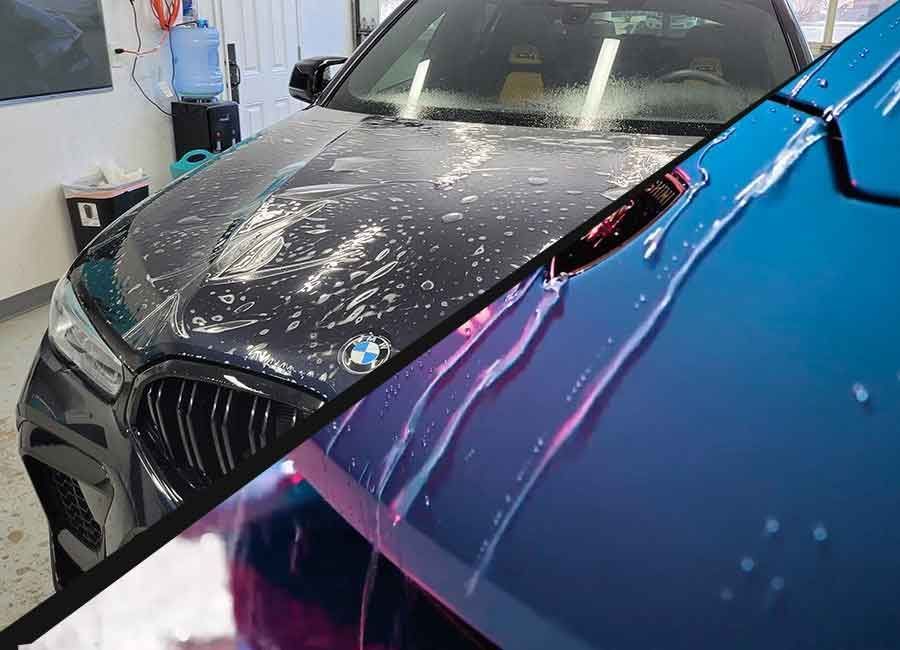
High-quality PPF blocks nearly 99% of harmful UV rays, preventing paint fading or cracking even with intense exposure. The self-healing properties mean minor scratches and swirl marks fade after exposure to heat, reducing the need for detailing. Hydrophobic characteristics repel water and dirt, allowing raindrops to bead and slide off quickly, minimizing mineral deposits and spots. The film also acts as a shield against rust caused by road salts and winter conditions, protecting the paint layer underneath. These combined attributes transform PPF from merely an extra layer to an active defender against multiple threats, including chemical exposure, harsh weather fluctuations, and mechanical wear, all wrapped into one seamless coating that preserves your car's original color depth and gloss.
Driving in Extreme Climates
Driving daily through extreme weather can feel like a battle against forces that constantly chip away at your vehicle's appearance and structural integrity. In desert heat, for example, UV radiation doesn't just affect your skin; it aggressively attacks your car's paint. Prolonged exposure causes the clear coat to degrade, leading to fading colors and even cracking. Imagine the sun baking your paint repeatedly as temperatures soar above 100°F. This relentless assault accelerates paint damage significantly faster than in milder climates, a significant threat to those living in arid regions. But it's not just the sun you have to worry about. When winter rolls in, a different set of risks emerges. Road salt and de-icing chemicals are essential for safety but are ruthless enemies of automotive metal and paint. Salt clings stubbornly to wheel wells and undercarriages, promoting rust that can silently eat away at body panels if left unchecked. Paint finishes can chip or wear away in spots where corrosive agents gather, resulting in costly repairs years down the line.
Then there's the rain, not the gentle kind, but heavy, frequent downpours common in certain regions. After the storm clears, water spots often remain as stubborn stains on your paint's surface. These mineral deposits slowly etch into the finish, dulling that glossy shine you worked hard to maintain. Moreover, dampness seeps into tiny gaps around trim and seals where mold and mildew love to hide out, creating unpleasant smells and potential material degradation. Beyond just cosmetic harm, these environmental factors accelerate micro-damage mechanisms like expansion and contraction cycles caused by temperature swings from below freezing to scorching heat. The constant flexing stresses clear coats and paints, raising the risk of micro-crack formation. Over time, microscopic fissures expand into visible cracks that allow moisture and dirt ingress, further accelerating deterioration.
Given this array of threats from harsh weather conditions, proactive protection becomes crucial, not only to preserve aesthetics but also to prevent expensive repair bills later. That's where solutions like paint protection film come into play, serving as a rugged barrier between your vehicle's paint and nature's worst intentions. With PPF installed, those harmful UV rays are blocked, salts wash off more easily without sticking, and water beads away rather than settling into tiny crevices. It's like giving your car a resilient shield specifically engineered for battling grime, scratches, and environmental assault. For daily drivers who face these harsh elements every day, whether baking in searing desert sun or braving icy salted roads, investing in PPF means peace of mind. It reduces the constant maintenance hassle while actively prolonging your vehicle's beauty and resale value. Combined with routine washing using gentle products, this proactive approach turns an endless fight against nature into a manageable part of car ownership. Understanding these risks is the first step toward making smart choices about protecting your ride. When every day brings new weather challenges, making sure your car wears its best armor isn't just practical; it's essential.
How PPF Shields Your Vehicle
At its core, paint protection film acts like an invisible armor wrapping your car's paint. This shield combats the everyday hazards that chip away not just at the aesthetics but also at the structural integrity of your vehicle's finish. When you drive through city streets or highways, small stones, dust, and salt spray from winter roads relentlessly assault your paint. Here, PPF's impact resistance comes into play. It absorbs and disperses the energy from these minor collisions, preventing tiny cracks or chips that can otherwise escalate into rust spots or deeper damage. This protective barrier is what keeps your car looking fresh long after others show signs of wear. This impact resistance doesn't mean the film itself is impervious; rather, it serves as a sacrificial layer. Underneath it, your factory paint remains untouched while the PPF takes the beating. Over time, high-quality films exhibit self-healing capabilities. Those annoying micro-scratches will gradually vanish with exposure to heat or sunlight, restoring a flawless surface without costly repairs. Protection goes beyond absorbing impacts because the elements themselves are relentless adversaries.
PPF's surface is engineered with hydrophobic properties, meaning it repels water and dirt effectively. Imagine driving in heavy rain or through muddy splashes. Instead of clinging to your paint and staining it, grime beads up and slides off more easily. This leaves fewer residues that could etch into the clear coat or encourage mineral buildup, a common problem in areas with hard water or saline air near coastal regions. The ease of washing thanks to this water-repellent quality means you spend less time scrubbing and more time enjoying your ride. Equally important is the film's UV resistance, which blocks up to 99% of harmful ultraviolet rays, the chief culprit behind fading and cracking paint over time. In places where sunlight beats down intensely for hours every day, unprotected paint rapidly loses its luster and becomes brittle. With PPF shielding your vehicle, colors stay vibrant far longer, and fine cracks in the clear coat are prevented before they begin. This preservation of paintwork translates into a vehicle that looks newer for longer and commands higher resale value.
Of course, none of these benefits matter if installation isn't done right or maintenance is neglected. Correct application ensures that the film adheres tightly without bubbles or gaps where contaminants could sneak in and cause damage beneath the surface. Professionals often recommend installation to maximize lifespan and avoid common pitfalls like peeling edges or trapped dirt. Once applied properly, routine care involves gentle cleaning with pH-neutral soaps and avoiding abrasive chemicals that might degrade the film's surface. Think of it as tending to a fine suit. Clean it delicately, protect it well, and it will serve you faithfully for years on end.
Installing and Maintaining PPF
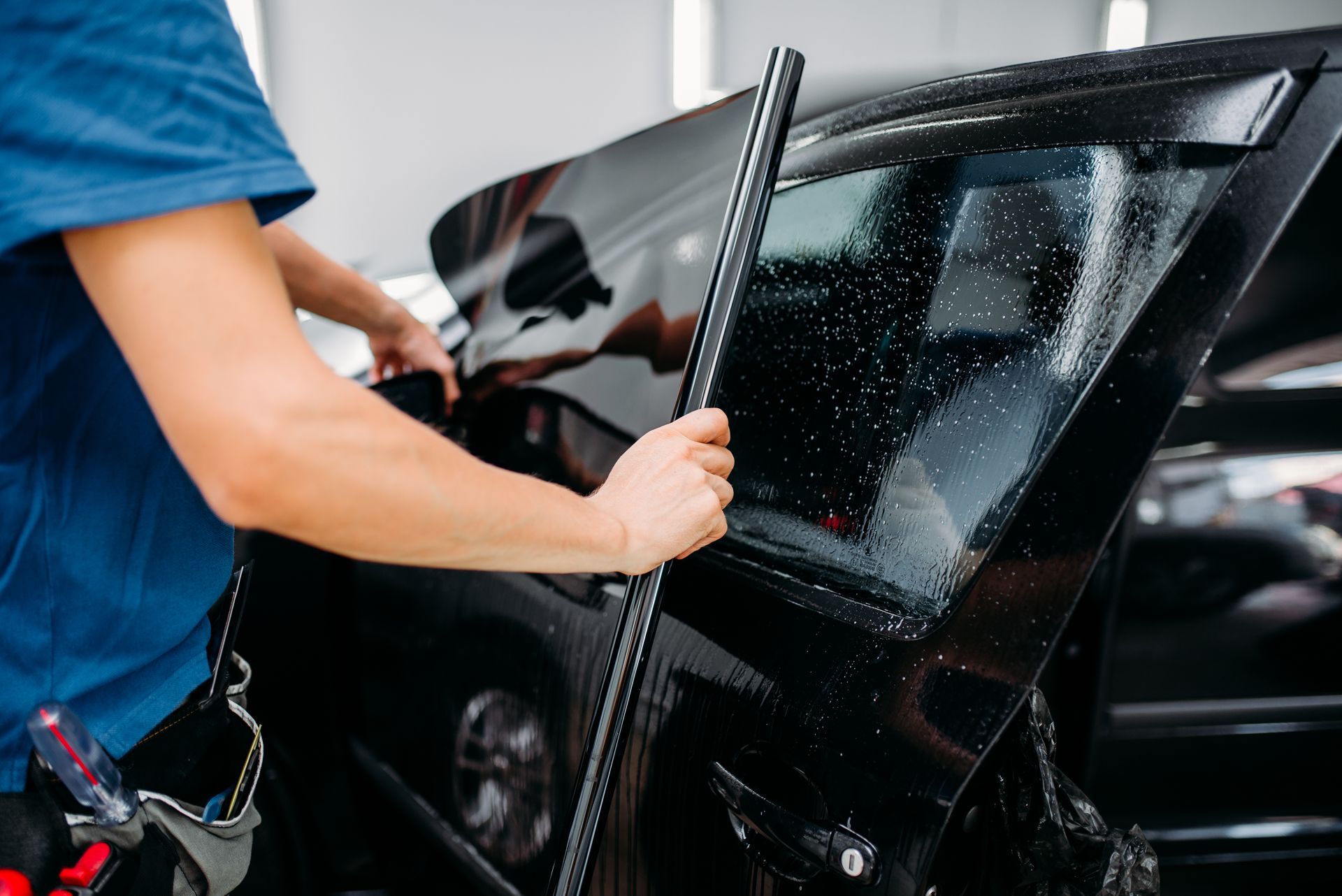
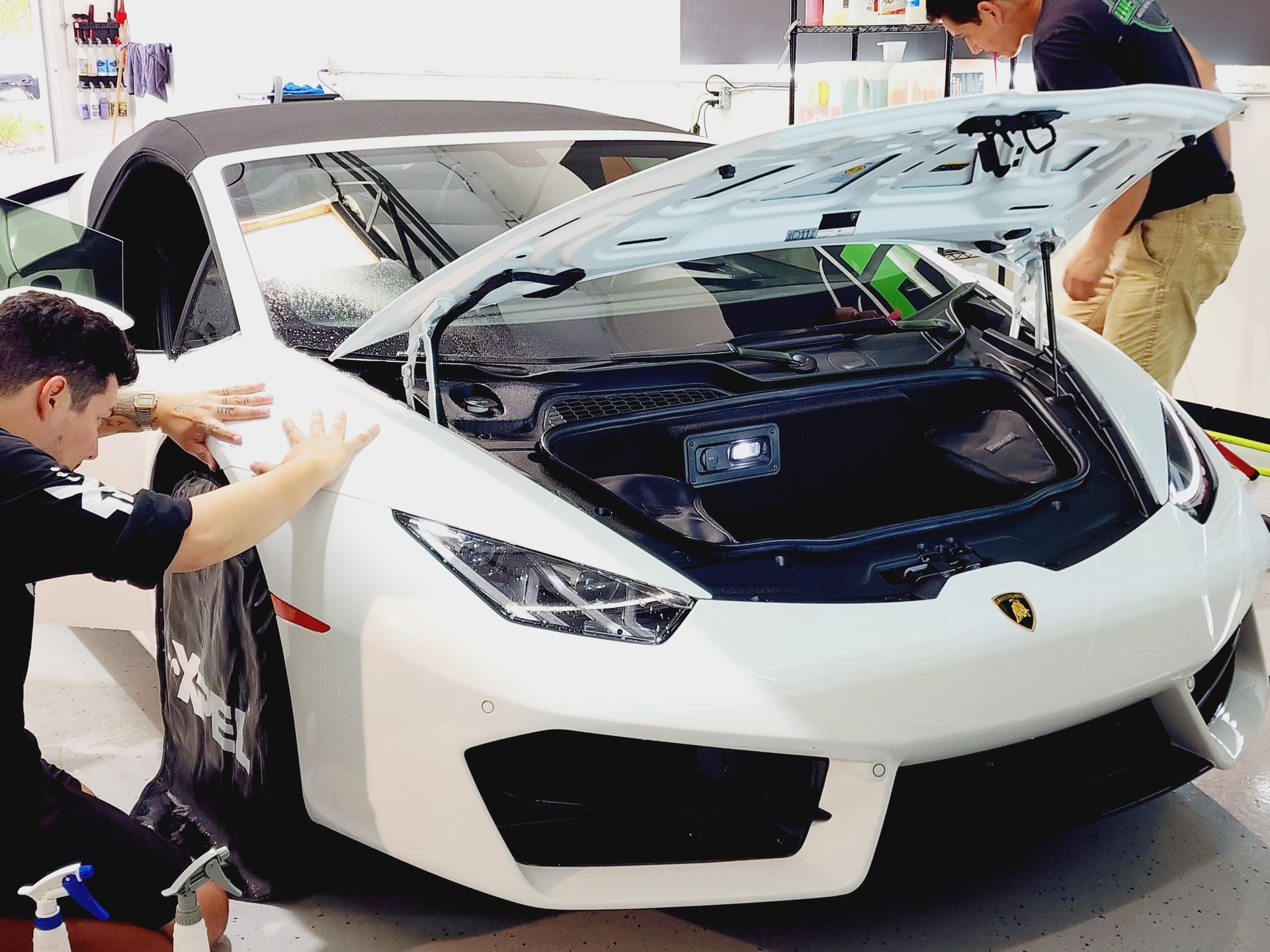
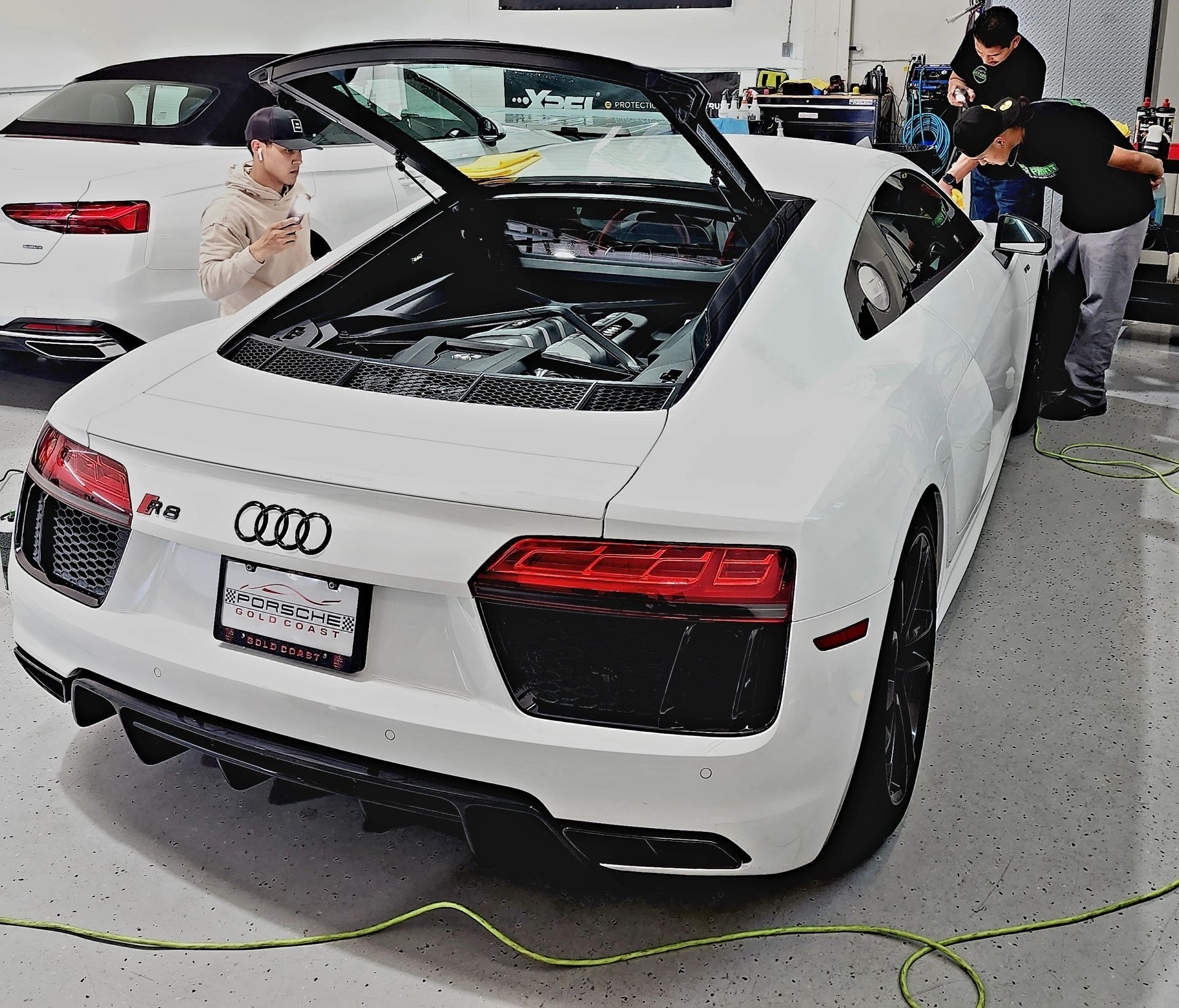
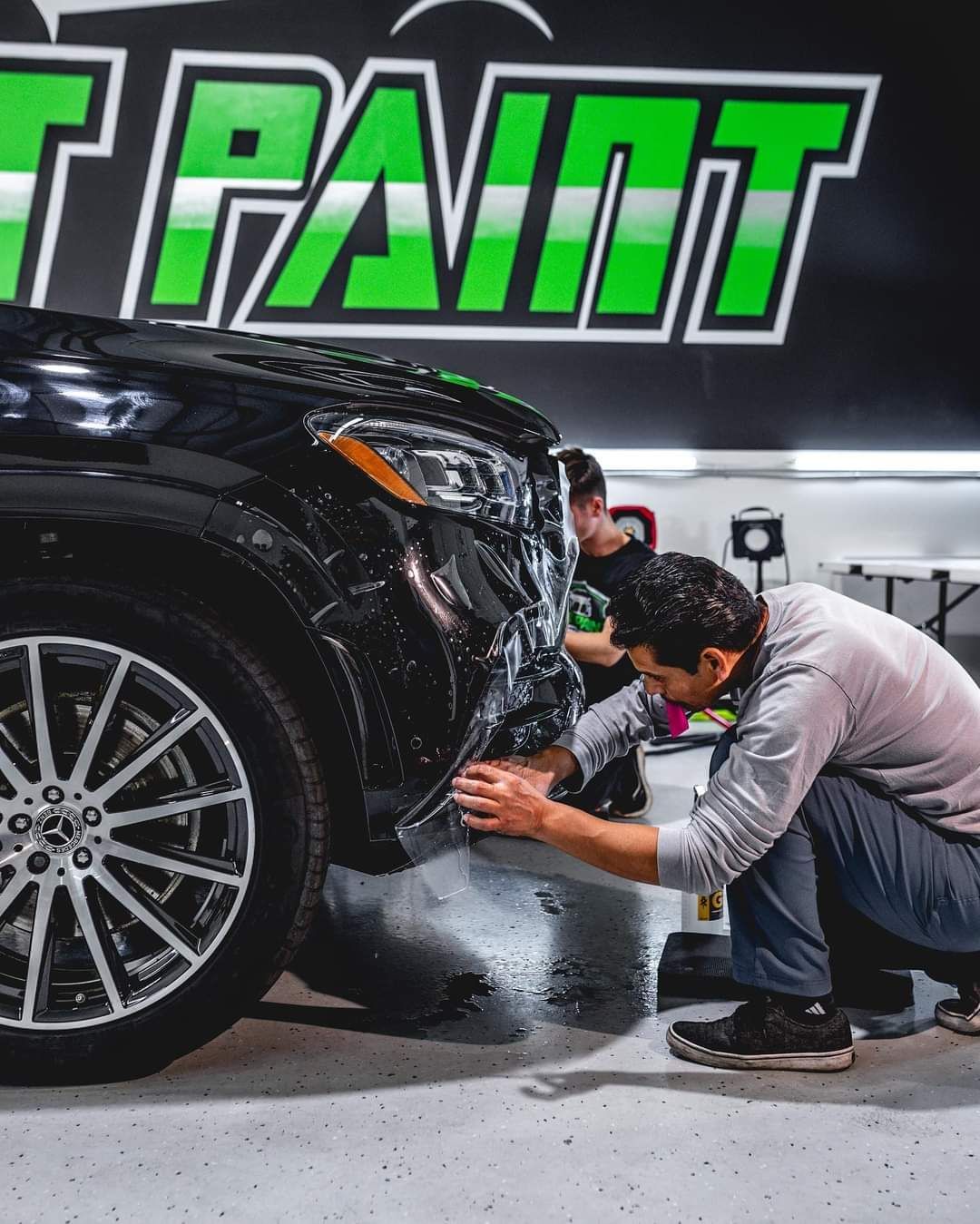
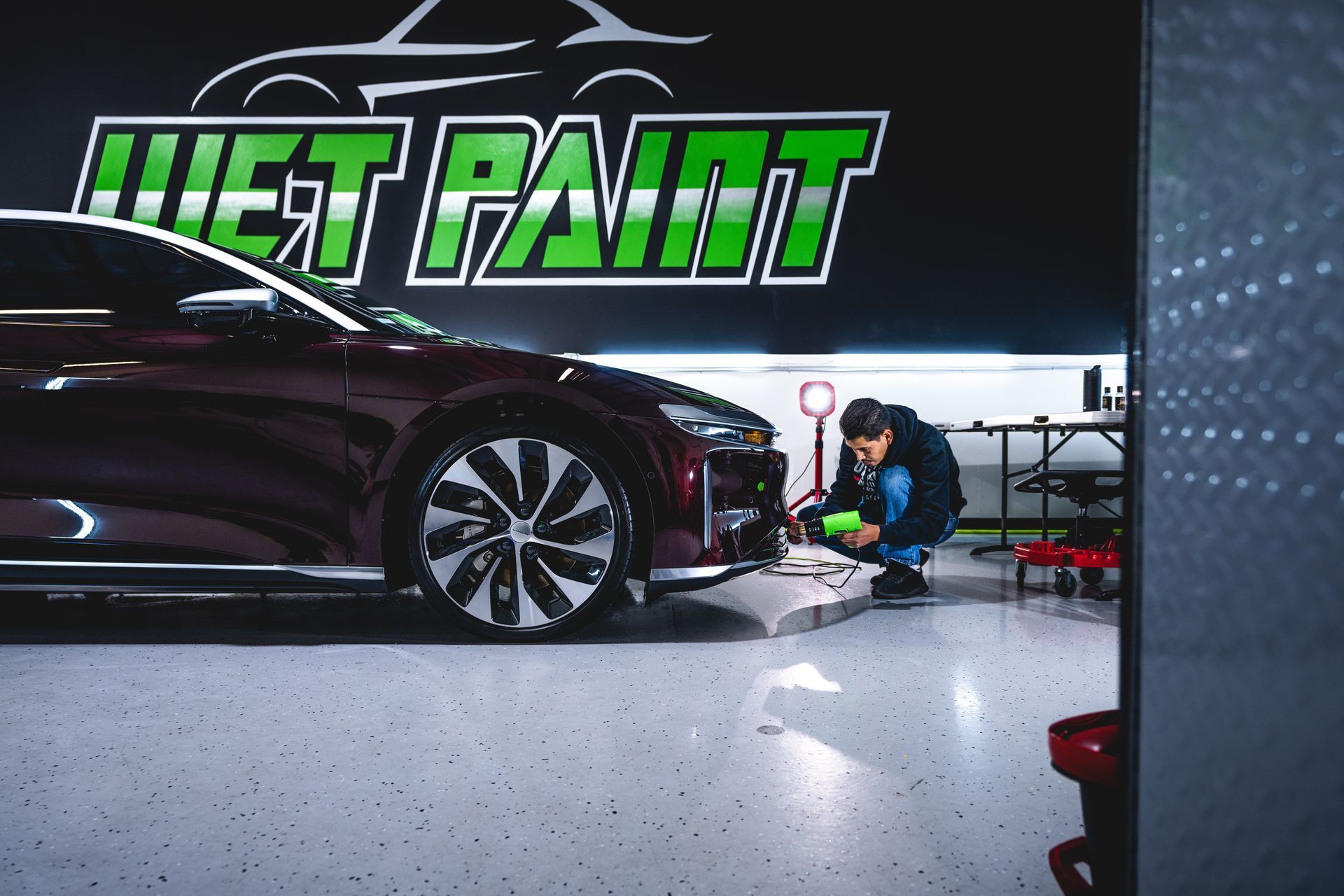
Installing paint protection film is a delicate task that demands both patience and attention to detail. It starts with surface preparation, the foundation for lasting adhesion. The vehicle's surface must be impeccably clean, free from oils, dirt, or previous waxes that could sabotage the film's bond. Many professionals use an isopropyl alcohol solution to wipe down panels after a full wash. This step may sound simple, but skipping it risks bubbles, peeling, or premature lifting of your film. Once the surface is spotless, film application begins. Precision cutting tailored exactly to each panel is crucial, whether using pre-cut kits or custom work via plotters. PPF can stretch slightly, which helps it conform tightly over curves without distorting. However, pushing it too far invites weakening and potential tears. Using a squeegee with soft felt edges, installers methodically smooth out air bubbles while applying consistent pressure. Many find the wet installation method easiest. A mist of soapy water lets you gently nudge the film into place before locking it down.
After application comes the drying and curing phase. Patience here pays off as the adhesive fully bonds over 24 to 48 hours in a dust-free environment at controlled temperatures. Avoid washing or exposing your car to rain during this time. It's tempting to hit the road immediately but premature exposure can trap moisture which hampers adhesion and clarity. Maintenance after installation is straightforward yet essential for longevity. Wash your vehicle every one to two weeks using pH-neutral soaps designed not to degrade the film's surface or adhesion layers. Harsh chemicals or abrasive cloths jeopardize self-healing properties that allow minor scratches to vanish under sunlight or heat. Frequent inspection of edges for bubbling or lifting helps catch small issues before they worsen, especially important in harsh climates where UV rays and temperature swings stress materials. Understanding these steps ensures your vehicle stays protected with a seamless finish durable enough for daily wear and tear in tough conditions.
Leading Paint Protection Film Services in Auburn, CA
For unmatched paint protection in Auburn, CA, trust Wet Paint Auto Detailing's
premier paint protection film services. Our expertly installed paint protection film shields your vehicle from road debris, scratches, and environmental wear, all while preserving its original appearance. With top-tier materials and skilled technicians, Wet Paint Auto Detailing ensures long-lasting defense for your investment. Experience the difference our precision and attention to detail can make.
Schedule your vehicle's paint protection film installation today!